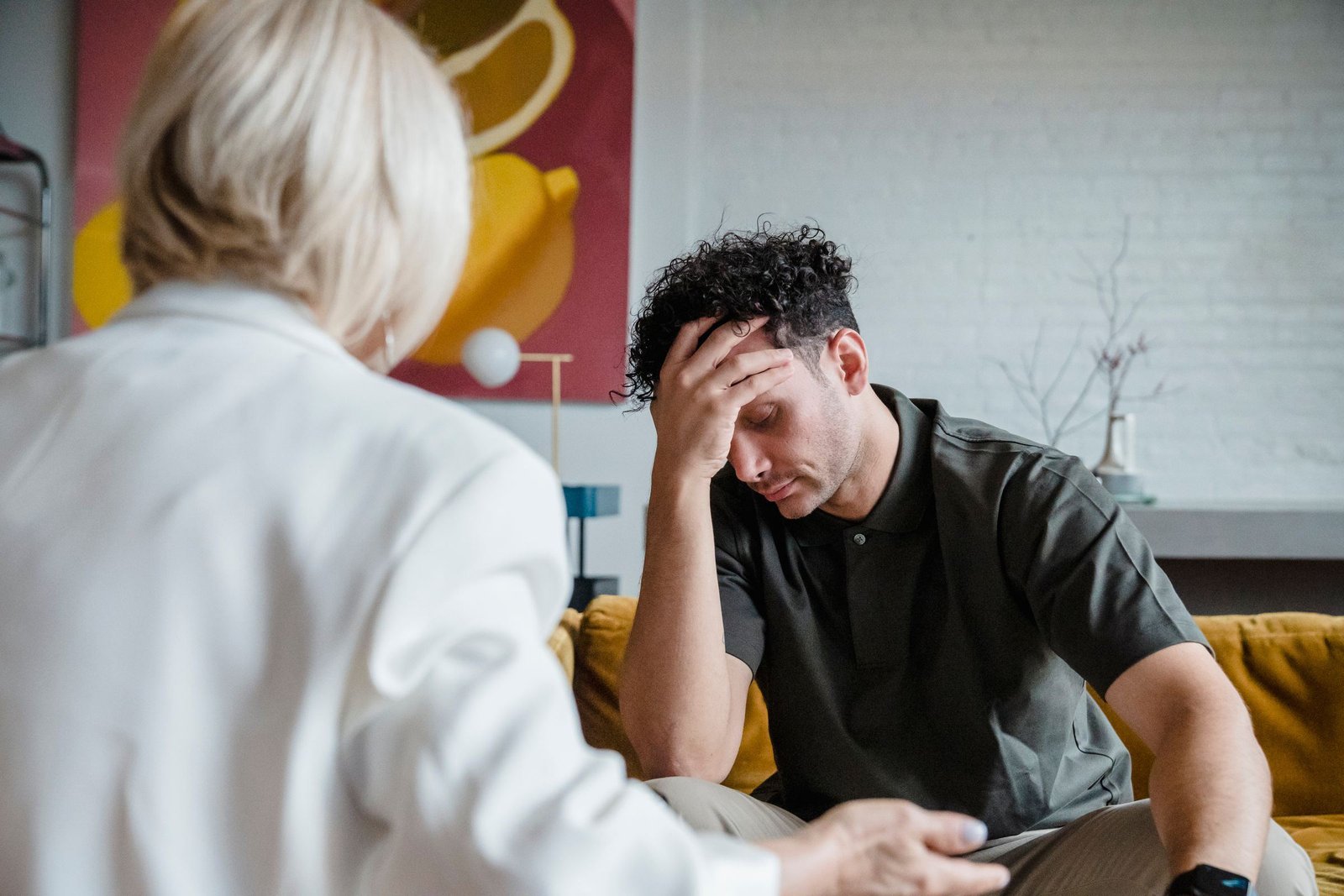

Art therapy for addiction provides a guided path to share emotions. It helps you look at things that are hard to speak. But it is a complementary approach. It is not a stand-alone treatment, and it may not work for everyone.
This guide details what formal art therapy entails. It reviews possible benefits and limits, sample activities, and how to check if it matches other care.
We publish a treatment directory. We are not a treatment provider. We do not claim medical review. See our guide to holistic and evidence-based care for info on combining complementary approaches with standard care.
What Art Therapy Means in Addiction Care
Creating art helps you share and work through feelings in art therapy.[1] A credentialed art therapist with training guides this work.[1] It is not the same as a casual craft or a drawing prompt in a group. Formal art therapy depends on a therapeutic relationship with a qualified professional.
While seeking care, many people try various supportive approaches. These groups overlap. They do not prove that art therapy works for everyone.
We focus on U.S. treatment in this guide. It reviews what studies say about art therapy in addiction recovery. We base our details on sources, not marketing claims.
How Art Therapy Helps With Addiction
Many people find that creative outlets help them express feelings they cannot put into words. Art therapy is often one of several complementary therapies used in addiction recovery. It involves art making to express and process emotions with the support of a trained and credentialed art therapist, distinguishing it from simple art activities.[1] While it can support emotional processing and help keep people engaged in their care, it is important to understand what the current research says and what it does not yet prove.
| Possible Role | What Research or Practice May Support | What That Does Not Establish |
|---|---|---|
| Expression and Reflection | With a trained art therapist, art therapy offers a non-verbal chance to express and explore various emotions.[1] | That art therapy alone lowers substance use or stops relapse in all people. |
| Engagement in Care | Creative tasks may help some individuals remain connected to their treatment program. | That art therapy acts as a replacement for medically necessary addiction care. |
| General Well-Being | Some small studies suggest improvements in mood or stress levels during sessions. | That these gains mean lasting sobriety or equal results for every patient. |
Scientific evidence for art therapy in addiction treatment is still growing. Systematic reviews of creative arts therapies, like art therapy, often call the evidence low in methodological quality. They also note missing details on the therapy and how it was evaluated.[2] So, even if many people value the experience, we lack strong proof that it works the same way for every person or condition.
So, art therapy should not replace recommended medical and psychological care. Treating substance use disorder usually includes medications, behavioral therapy, and holistic support for medical, social, work, and legal needs.[3] Standardized guidelines help match people to the right level of care for their specific needs.[4] If you consider art therapy, look for programs that combine it with evidence-based treatments like counseling or medication-assisted treatment. Ask providers how they track progress and if the approach fits your recovery plan. To understand who provides these treatments, our guide to psychologist vs psychiatrist addiction care explains the roles of each professional.
Addiction Recovery Art Therapy Ideas
Art therapy for addiction often aims at expression, not skill. Creative therapies in rehab can help you look at feelings that are hard to describe. These examples are for discussion with a qualified therapist. They are not a replacement for a session.
Your comfort level guides how a trained art therapist adjusts prompts. You might create a visual map of your support network, make a collage about who you are beyond substance use, or use colors and shapes to explore a specific emotion. There is no "right" way to do this work.
- Choose a prompt with your therapist. Choose a topic that seems doable right now. You may change it whenever you wish.
- Make or arrange images. Use supplies you are okay with, like clay, magazines, markers, or crayons. Realistic drawing is not required.
- Describe what feels meaningful. Discuss what catches your attention in the piece. Your viewpoint gives it meaning, not set symbols or color meanings.
- If hard feelings come up, think about it, switch focus, or quit.Decide together on next steps. You can always take a break or seek help.
Tell your therapist right away if strong emotions come up. They can help you deal with those feelings safely within your overall treatment plan.
Session Details and Treatment Fit
No single standard exists for an art therapy session. The provider and your treatment plan shape the format, materials, and whether you work alone or in a group. Yet, many sessions follow a similar pattern.
Art-making
You create with paint, clay, or collage. Expression matters most, not artistic skill.
Closing
You summarize what you learned. Then you pick a next step or takeaway for the week.
Art therapy usually serves as one piece of a wider treatment plan. It is not a substitute for medical care or evidence-based behavioral therapies. For substance use disorder, standard treatment often involves medication to handle cravings or withdrawal. It also includes behavioral therapies, such as cognitive behavioral therapy or motivational enhancement therapy.[3][5] These treatments help create coping skills and aid brain recovery.[5] To learn more about the behavioral therapies mentioned, our guide to CBT for addiction explains the techniques used to manage triggers. For insights on the other therapy mentioned, our guide to motivational interviewing addiction explains how it supports recovery. Another common approach is DBT for addiction, which focuses on emotional regulation and distress tolerance skills.
Your care team uses a comprehensive assessment to pick the right service mix.[6] This makes sure your plan covers medical, psychological, and social factors.[6]
As you look at therapy options for substance use recovery, think about where creative outlets fit. Many people find that using expressive arts alongside traditional counseling supports their goals in art therapy in addiction recovery. Read our guide on building a recovery care plan to learn how these elements work together.
Deciding if Art Therapy Fits You
Art therapy does not suit everyone, and that is fine. Making art might feel useful, neutral, or uneasy for you. Any reaction means you did not fail. A trauma-informed approach respects your voice and choice in care.[7]

Let your therapist know if a prompt feels too tough. You can request another activity or format. Sometimes emotional memories arise while creating art. Set up a signal to pause and get support before you begin. If art therapy feels wrong, ask your care provider about other ways to express yourself.
Would I Like to Explore Art Therapy?
This self-check is for information only and isn't a diagnosis. It cannot determine if art therapy is suitable for you.
Checking an Art Therapist or Program
You need to do some research to find an addiction treatment therapist. Art therapy is a specialized field. Therefore, knowing what to seek helps before you schedule a session.
Professional art therapists typically need a master's degree as their entry-level education, per the American Art Therapy Association.[8] Some also hold the Art Therapist with Board Certification (ATR-BC) credential. Earning this means passing a board exam.[9] Rules vary widely by state.[10] Some states restrict the title “art therapist” to those with specific credentials. Others have different registration or licensing requirements.[10] Directories from the American Art Therapy Association or the Art Therapy Credentials Board let you check a provider's standing.[11]
Ask how they handle addiction specifically, not just about degrees. A good fit means they know recovery triggers. They should adapt activities to your comfort level. They should also talk openly about coordinating with your counselors or doctors.
Questions to Ask Before Starting
Your ticks are saved on this device only.
Read our guide on questions to ask a therapist for more on vetting care teams.
Comparing Art Therapy to EMDR and Other Methods
EMDR and art therapy are both used in recovery, yet they function differently. One does not take the place of the other, and neither is a stand-alone cure for addiction. There is no single best therapy for everyone. The right choice depends on your goals, your comfort level, and what the program offers with core medical and counseling care. To learn more about how EMDR therapy for addiction addresses trauma, see our guide on its evidence and safety.
| Approach | What it involves | Typical focus | Role in addiction care |
|---|---|---|---|
| Art therapy | Using visual art with a trained therapist to look at feelings and experiences | Insight, expression, stress relief, and learning coping skills | Usually a supportive add-on to primary treatment; evidence differs by program and outcome |
| EMDR (Eye Movement Desensitization and Reprocessing) | Structured sessions with guided eye movements or taps to handle upsetting memories | Handling traumatic or disturbing memories that cause distress | May be used when trauma is involved; not a substitute for addiction-specific treatment |
| Cognitive behavioral therapy (CBT) | Talking with a therapist to find unhelpful thoughts and try new behaviors | Changing thought patterns and habits related to substance use | A common core method in many programs; read our guide to cognitive behavioral therapy for details on its practical use |
Each modality has a distinct format. Comparing them side by side helps you ask better questions, not pick a winner. When you tour programs or call admissions teams, ask whether they offer art therapy, who provides it (a credentialed art therapist versus another staff member), and how it fits into the overall plan. You can find treatment programs near you to compare options in your area. To make the most of those sessions, our guide on how to get the most out of rehab offers practical tips.
Frequently Asked Questions
Can art therapy replace addiction treatment?
No. Art therapy does not replace evidence-based addiction treatment. Use it to complement a plan created with qualified providers. If you have opioid use disorder, ask your clinician about medication-assisted treatment and other proven options. Supportive therapies can be used alongside those core treatments.
Do I need to be good at art to try art therapy?
No. Artistic talent is not needed to gain from art therapy. The focus is on the creative process and what the activity means to you. Creating a polished art piece is not the point.
Who may not be a good fit for art therapy?
There is no one-size-fits-all answer. Talk to your therapist if you dislike art-making, feel uncomfortable with a prompt, or prefer a different format. You can ask to pause, switch activities, or decline an activity. Then, look for other approaches that suit you better.
Which therapy is most effective for treating addiction?
One therapy does not suit every person or substance use concern. Your specific needs decide the right plan. It may combine evidence-based behavioral therapies, medication if appropriate, and other support services. Speak with a healthcare provider to find the mix that works for you.
EMDR vs art therapy: How are they different?
Art therapy relies on making art in a therapeutic relationship to express feelings and gain insight. EMDR is a different, structured psychotherapy often used for trauma. Evidence that a therapy helps one condition does not prove it is more effective for addiction recovery. Depending on your goals and history, each can fill a different role.
How can I find a qualified art therapist who works with addiction?
Verify the provider's education, credential, and any state license needed for the location of care. Ask about their experience with substance use disorders and how their sessions align with your other treatments. A qualified provider can explain their approach simply and answer your questions clearly.