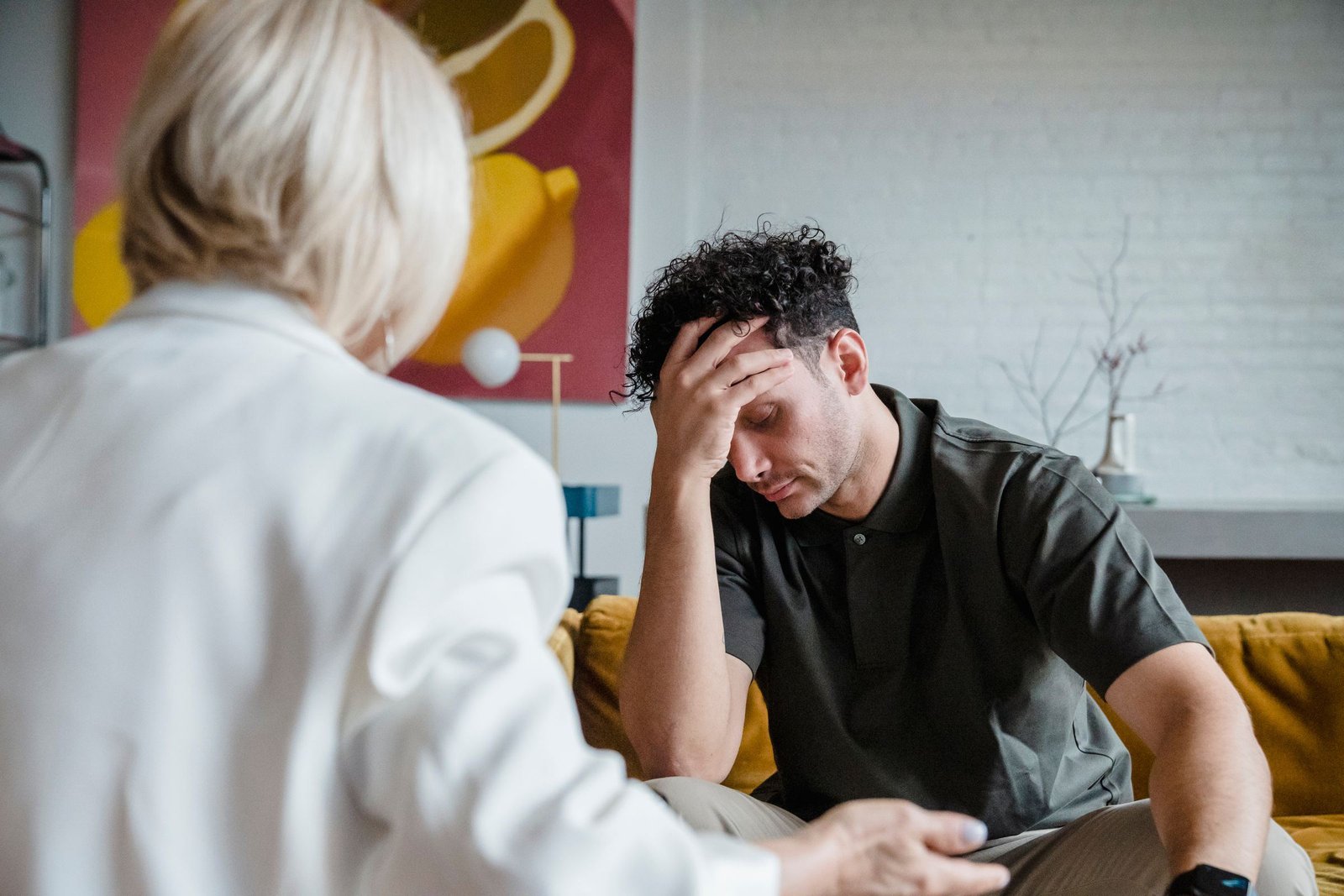

Benzodiazepine addiction treatment starts with a check-up. A specialist looks at your withdrawal risk, health, and support. Then they build a plan just for you.
Care may include supervised withdrawal management. It might also include outpatient or inpatient programs. Therapy and ongoing recovery support are common parts too. The right path depends on your needs and safety. Our guide to medications for benzodiazepine withdrawal explains how different care settings shape your treatment options.
Please do not stop taking a prescribed benzodiazepine on your own. Do not change the dose without help from a qualified healthcare professional. Sudden changes can be dangerous.
If someone has a seizure, trouble breathing, is unresponsive, or has severe confusion, call 911 or go to the nearest emergency room now.
We are a U.S. treatment directory and publisher, not a treatment provider. This guide is for information only. It is not individualized medical advice. Always talk with your doctor about your care.
Start With Safety and Assessment
Stopping benzodiazepines on your own can be dangerous. The FDA requires a boxed warning on all benzodiazepine medicines. This is due to risks of abuse, misuse, addiction, physical dependence and withdrawal reactions.[1] Severe withdrawal can include seizures or delirium.[2]
Never stop or change a prescribed benzodiazepine without talking to the prescriber first. They can create a tapering plan that lowers your risk. This guide explains treatment options in general terms. It is not a personalized plan for you. Your needs depend on your history, your health and what you take. For details on how a taper is structured, see our guide to a benzodiazepine tapering schedule and the steps involved.
Common Side Effects
While taking benzodiazepines, common side effects can include drowsiness, dizziness, slowed reaction time, memory problems, and impaired coordination. These effects are distinct from the severe withdrawal symptoms listed below, which require immediate medical attention.
Understanding the Risks
It helps to know the scale of harm. But these figures are population counts, not personal risk estimates. These are counts of overdose deaths across the whole country. They do not predict whether you will have a bad outcome. They are not measures of withdrawal death rates or treatment success.
Know the Emergency Signs
Some withdrawal symptoms require immediate medical attention. If you or someone you love has a seizure, trouble breathing, cannot be woken up or is severely confused, call 911 or go to the nearest emergency room now. Do not wait for these symptoms to pass. Do not try to manage them at home.
For less urgent concerns, look for common benzodiazepine withdrawal symptoms like anxiety, insomnia or muscle tension. You can also read more about when withdrawal needs emergency care to understand which signs mean "go now" versus "call your doctor today."
Get an Assessment First
Before choosing a program, get a proper evaluation. A benzodiazepine use disorder assessment looks at how much you use and how long you have used it. It also checks for any other health conditions. This helps determine if you need medically supervised detox before starting therapy. An assessment is the safest first step toward finding the right level of care for you.
Choosing Among Treatment Levels of Care
Finding the right level of care starts with a checkup. This check looks at your specific situation. It also supports your recovery. Decisions typically consider withdrawal risk, medical and behavioral health needs, substance use history, and available supports.[3]
Different settings serve different purposes. Withdrawal management helps you stop using safely. Ongoing treatment for substance use disorder addresses behaviors and root causes. Some people need both. Others may start with just one.
Residential treatment offers a structured place to live. However, it does not always offer the same medical monitoring as inpatient care. The table below compares common levels of care. No single level fits everyone. Your needs and safety determine what is best for you.
| Level of Care | Structure and Supervision | What It May Address | What to Ask About |
|---|---|---|---|
| Outpatient | You live at home and attend scheduled appointments or groups. | Mild symptoms, maintenance therapy, or support after higher levels of care. | How often will I be seen? What is the plan if my symptoms worsen? |
| Intensive Outpatient (IOP) | You live at home but attend treatment multiple times per week for several hours. | Moderate symptoms needing more structure than standard outpatient care. | Can I keep working or caring for family? What happens if I need more support? |
| Residential Treatment | You live at the facility in a structured environment with staff support. | Substance use disorder requiring a stable environment away from triggers; ongoing therapy. | Is there 24-hour medical monitoring? How are emergencies handled? |
Inpatient or medically managed care is often considered when withdrawal is severe or complicated.[4] It may also be necessary if you have significant physical or mental health conditions that are not stable enough for outpatient settings.[4] For example, if you have an uncontrolled seizure disorder, outpatient tapering might not be safe.[4]
Your checkup will look at several factors to find the best fit:
- Current substance use patterns and history of withdrawal symptoms.
- Other substances used at the same time.
- Physical health conditions and mental health diagnoses.
- Your ability to participate in treatment activities safely.
- Support systems available at home or in your community.
Understanding these options helps you ask better questions when speaking with providers. To learn more about how these decisions are made, read our guide on choosing the right treatment setting. For specific details on evaluating sedative use, see our sedative use disorder assessment resource.
What Withdrawal Management May Involve
Stopping benzodiazepines suddenly after ongoing use can be dangerous. The FDA advises against abruptly discontinuing these medications and recommends that any changes be guided by a healthcare professional.[5] Because of this risk, if someone has a seizure, trouble breathing, is unresponsive, or has severe confusion, call 911 or go to the nearest emergency room now.
Benzodiazepine withdrawal treatment involves careful planning and monitoring. It is distinct from long-term recovery work. Withdrawal management alone does not constitute comprehensive treatment for a substance use disorder.[6] It is the first step, not the whole journey.
- Discuss your full history. Be honest with a clinician about how much you take, how often, and any other substances you use. This helps them understand your specific risks.
- Agree on a plan. Work with your prescriber to create a safe approach to reducing or stopping the medication. Never try to copy a schedule found online or from a friend.
- Attend monitoring visits. Depending on your situation, you may need regular check-ins or inpatient care to watch for complications. Combining benzodiazepines with opioids or other depressants can cause serious breathing problems and death.[7]
- Connect to ongoing treatment. Connect with therapy or recovery support during withdrawal management when appropriate, and continue it afterward. Coordinate the timing with your clinician.
Benzodiazepine Withdrawal Treatment
Clinical assessment matters because symptoms can be confusing. Withdrawal symptoms can overlap with symptoms of the condition for which the medication was prescribed.[8] For example, anxiety or insomnia returning might actually be withdrawal, not just your original problem coming back. Only a clinician can help sort this out safely.
Medication decisions are highly individual. What works for one person may be unsafe for another due to health conditions, other medications, or past reactions. Do not adjust doses on your own based on general advice found online. Always consult your doctor before making changes to your medication routine. If you have a seizure, severe confusion, hallucinations, a high fever or a racing heart during withdrawal, call 911 or go to the nearest emergency room now.[2] If you are unsure whether a symptom is withdrawal or something else, contact your healthcare provider immediately for guidance.
Therapy and Recovery Support Beyond Withdrawal
Stopping benzodiazepines safely is often just the first step. Lasting recovery usually involves ongoing care. This care helps you manage stress, sleep, or anxiety without the medication. These supports work with, not instead of, your clinician’s plan. Our guide to CBT for benzodiazepine addiction explains how behavioral therapy supports you during this ongoing recovery phase. For those addressing underlying trauma, our guide to EMDR for benzodiazepine addiction explains where this therapy fits in your recovery plan.
One approach combines a slow dose reduction with therapy. In a randomized clinical trial, researchers studied this combination in older adults with chronic insomnia.[9]
Your treatment team may coordinate care for sedative use and other needs. If you have co-occurring conditions, such as anxiety or depression, treating them together often leads to better outcomes.
| Type of Support | What It May Offer | What It Does Not Replace |
|---|---|---|
| Structured Therapy | Tools to manage triggers, improve sleep habits, and process trauma or anxiety. | Medical supervision for withdrawal or medication changes. |
| Continuing Clinical Care | Regular check-ins with a prescriber or therapist to adjust plans as you heal. | Immediate crisis help if you are in danger. |
| Peer or Mutual-Help Support | Shared experiences from others who understand the challenges of quitting benzodiazepines. | Professional check of withdrawal risks or advice on changing doses. |
A Possible Path Forward
Recovery looks different for everyone. There is no single timeline. Many people follow a general sequence of steps based on their needs and their clinician’s recommendations.
Assessment and Safety Planning
You meet with a healthcare provider to review your history and create a safe plan for reducing your dose if needed.
Withdrawal Management
If recommended, you undergo medically supervised tapering to minimize discomfort and risk during the reduction phase.
Step-Down Care
As your medical needs stabilize, your team may transition you to a lower level of care, such as residential treatment, an intensive outpatient program (IOP), or standard outpatient visits.
Ongoing Therapy
You engage in counseling to build coping skills, address root causes of use, and set personal recovery goals.
Continuing Care
You maintain regular support through therapy groups, check-ins with providers, or lifestyle changes that sustain sobriety.
Arranging Your Next Steps
Moving from one level of care to another requires planning. Before you leave a withdrawal management program or a higher level of care, ask your team to help arrange follow-up appointments. Coordinating with the next care team before discharge ensures that your medication plan and therapy schedule continue without gaps. If you are unsure which setting fits your current needs, learn more about choosing the right treatment setting.
Peer Support and Online Communities
You may hear the term "benzo buddies" used informally to describe peer support communities for people withdrawing from benzodiazepines. These groups can provide emotional validation and reduce feelings of isolation during a difficult time. However, these communities are rarely clinically supervised or moderated by medical professionals.
Be cautious when reading advice about dosages or taper schedules in online forums. What works for one person may be unsafe for another due to differences in health history and medication types. Treat peer stories as reasons to talk with your doctor, not as instructions for your own care plan. Never change your medication schedule based on internet advice alone; always consult your prescriber first.
If you are currently navigating the physical aspects of stopping these medications, our guide to the medically supervised benzodiazepine taper offers more detail on what that process typically involves when guided by a professional. To understand the financial side, our guide to the cost of benzodiazepine taper care covers questions to ask providers.
Addressing Anxiety or Sleep Concerns Alongside Recovery
Many people start using benzodiazepines to manage anxiety or trouble sleeping. Entering recovery can feel confusing. You might wonder how to handle those symptoms without the medication. Treating the original condition is a separate task from managing withdrawal. Both are needed, but they need different plans.

Withdrawal management focuses on safely lowering physical dependence. This often happens through a slow taper guided by a doctor. Treatment for anxiety or insomnia aims for long-term relief. The symptoms can look similar because withdrawal itself causes anxiety and sleep problems. This overlap makes it critical not to self-medicate. Do not assume restarting a benzodiazepine is the only fix.
Behavioral therapies and lifestyle changes often help with both anxiety and insomnia. Some guidelines suggest against the use of benzodiazepines for chronic insomnia disorder.[10] Other options exist, though. Choosing any new medication depends on your health history and recovery status. Never stop or change a medication without talking to your prescriber first.
| Focus Area | Goal | Who Guides Decisions | Common Discussion Topics |
|---|---|---|---|
| Withdrawal Management | Safely reduce physical dependence and minimize acute withdrawal symptoms. | A physician or addiction specialist monitoring a taper schedule. | Taper speed, managing acute symptoms, safety planning, and monitoring for complications like seizures. |
| Underlying Condition Care | Long-term reduction of anxiety or improvement in sleep quality without creating new dependencies. | A psychiatrist, therapist, or primary care provider working with your addiction team. | Cognitive behavioral therapy (CBT), stress management techniques, sleep hygiene practices, and non-benzodiazepine options if appropriate.[10] |
Increased anxiety as you lower your dose may be rebound anxiety. It might not be your original condition returning unchanged. You can learn more about managing rebound anxiety during a taper. Sleep disturbances are also common during withdrawal. They may improve as your brain adjusts. Read more about sleep issues during withdrawal. For specific guidance on this medication, our guide to temazepam addiction treatment covers withdrawal management and sleep support.
What to Discuss With a Clinician
Open communication with your healthcare team is the best way to balance these needs. When you meet with your doctor or therapist, be ready to share details about your history and current experience. This helps them create a plan that addresses both safety during withdrawal and long-term well-being.
Start by describing the original reason you started taking the medication in the first place. Was it panic attacks, generalized worry, or years of poor sleep? Then, describe what you are feeling right now. Are the symptoms different from before? Mention all other medications you take, including over-the-counter drugs and supplements, as well as any alcohol or other substance use. This full picture helps avoid dangerous interactions and ensures no contributing factors are missed.
Finally, share what you hope treatment will achieve for you beyond just stopping the benzodiazepine. Do you want to return to work? Do you want to sleep through the night? Be clear about your goals so your clinician can align therapy choices with them. Remember that addressing these concerns does not replace the need for a structured plan for withdrawal risk management.
Finding a Program and Preparing to Ask for Help
Choosing a treatment center can feel hard. You want a place that understands benzodiazepine risks. They should keep you safe. Ask specific questions first. Find out how they handle withdrawal and medical needs. Also ask about ongoing support. This helps you find the right fit. If you need care that respects your identity, explore our guide on LGBTQ affirming benzo rehab and gender accommodations.
Need help finding options? Call the SAMHSA National Helpline at 1-800-662-HELP (4357) if you are not in danger. It is free and confidential. It gives referrals and info 24 hours a day, 7 days a week.[11] If someone has signs of an overdose, call 911 right away and stay with them. For severe withdrawal symptoms, call 911 or go to the nearest emergency room now. If you face a delay, our guide on care while on treatment waitlist outlines steps to stay safe and supported.
Questions to Ask a Treatment Program
Your ticks are saved on this device only.
What Should I Ask About First?
This self-check is for information only and isn't a diagnosis. No score can determine a safe level of care.
How to Read Common Benzodiazepine Labels and Rankings
You might see headlines claiming one drug is the "worst" or the "most abused benzodiazepine." These rankings are often misleading because they mix different types of data. To understand what these labels mean, look at how the measurement was made.

There is no single, useful way to rank addictions without defining the outcome. Are we counting prescriptions filled, nonmedical use, or overdose deaths? A drug might be prescribed more often but cause fewer overdoses than another. Or it might be less common overall but harder to quit. Without knowing whose experience is being measured, a simple list doesn’t help you find care.
Prescription rates, nonmedical use, and overdose data tell different stories. For example, some benzodiazepines are widely prescribed for anxiety or sleep issues. Others are diverted for recreational use. Surveillance data from the United States tracks these trends over time. But it rarely supports a universal ranking of individual drugs. Always check the date and definition of any statistic you see.
You may hear older slang terms like "Mother's Little Helper pill." This phrase comes from pop culture and history, not modern medicine. It refers to how benzodiazepines were marketed in the past, particularly to women for stress or housework fatigue. Today, clinicians do not use this term. It can minimize the seriousness of dependence and addiction.
If you are worried about your use or a loved one’s use, focus on symptoms rather than rankings. Dependence can happen with any benzodiazepine, regardless of its popularity or street name.[1] The risk depends on how long you’ve taken it, the dose, and your health history.
Instead of worrying about which drug is "worst," look for professional support tailored to your situation. You can search for treatment near you to find programs that specialize in sedative withdrawal and recovery. If you live far from a center, our guide to rural benzo addiction treatment explains how to access care remotely.
Frequently Asked Questions
What medication is used to treat benzodiazepine withdrawal?
A common approach is a clinician-guided, gradual reduction of the benzodiazepine being taken.[5] Guidelines state that there is insufficient evidence to recommend adjunctive medications for benzodiazepine withdrawal.[12] The plan should be individualized. Don't start, stop, or change your medicine on your own. A qualified healthcare professional can review your history and guide medication decisions.
When might inpatient or residential care be considered?
Clinicians look at several factors to pick the safest setting. A history of complicated withdrawal, like a seizure or delirium, predicts future problems.[4] This helps decide if you need higher care. Other factors include your health, other substances, and home support. Ask if a program provides the medical monitoring you need. Or ask if they refer to hospital-based care for detox.
What can you replace benzodiazepines with for anxiety or sleep?
There is no one replacement drug. The right approach depends on your main concern. Are you dealing with anxiety, insomnia, or withdrawal? Maybe it is all three. Therapy and counseling often work well with medical care. Talk to your prescriber about any medication questions. Do not switch medicines on your own.
What are benzo buddies?
This phrase usually describes peer groups or people offering support for benzodiazepine use and withdrawal. Connecting with others can feel validating and less lonely. But peer support cannot replace a clinical checkup. Never rely on online groups to guide your personal taper or withdrawal plan.
What pill was called Mother's Little Helper?
It often referred to Valium. It is not a medical term today. Valium is just a brand name for the generic drug diazepam.[8] Brand and generic names refer to the same active ingredient.
Is there a benzodiazepine with the highest rate of nonmedical use?
There is no single answer here. Nonmedical-use rates depend on the group studied and the timeframe used. Some surveys count filled prescriptions, while others look at overdose deaths or self-reported use. These methods can show different trends for different drugs in this class. Check the year and source of any statistic before deciding on risk.