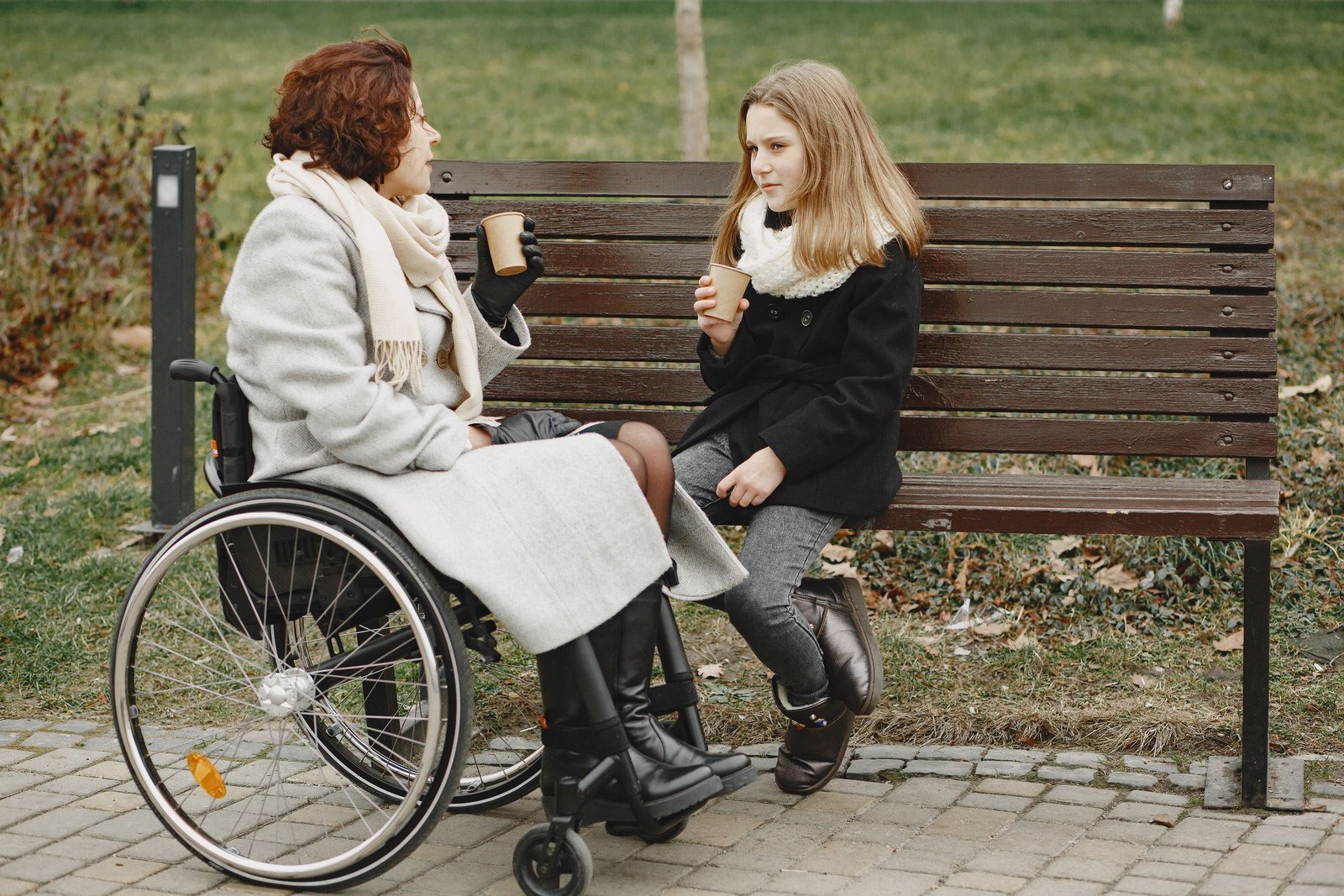

Dating in recovery is possible while keeping your sobriety safe. You must keep your boundaries and recovery supports active. Pick plans that feel low-pressure. Allow yourself to pause or leave if you need to. Do not let a calendar or date pressure drive this choice. Instead, check if dating fits now by looking at your own needs and support system. Building healthy relationships in addiction recovery requires clear limits, honesty, and time.
We are a U.S. treatment directory, not a treatment provider. We make no claim of medical review. Ask your counselor or sponsor what feels safe for you.
Keep Recovery Central When Dating Early On
Whether to date early in recovery is a personal choice. It does not prove you are doing recovery “right.” No single timeline is correct. Think about how dating fits your recovery goals and supports.
SAMHSA calls recovery a process of change. People improve health and wellness, live self-directed lives, and try to reach full potential.[1] This shows recovery touches many parts of life, not just substance use.
4 dimensions
SAMHSA identifies as supporting a life in recovery[2]
10 principles
SAMHSA’s framework lists as guiding principles of recovery[2]
These figures outline a structure for wellness. They do not set dating rules or mandatory wait times. You may hear tips like waiting a year to date. Yet this is often a personal guideline, not universal clinical guidance. Verify that current, credible U.S. sources back specific timelines before viewing them as medical advice.
Practical suggestions in this guide help you protect your sobriety while exploring connection. Treat them as tools to weigh, rather than rigid rules. Let your journey match your personal values and needs.
Assessing Your Readiness for Dating
Whether to date is a personal decision. No specific wait time applies to everyone. Look at how dating may impact your safety plan, ability to keep boundaries, and recovery supports. The ASAM Criteria guides care by checking a person's needs in six areas, such as social factors.[3] Needs change over time. The American Psychiatric Association notes that a treatment plan should be assessed continually and adjusted as needed.[4]
This quiz helps you spot questions to discuss with a trusted support person or clinician. It cannot decide if you are ready.
Is Dating a Good Fit for Me Right Now?
This self-check is for information only and isn't a diagnosis. It cannot determine whether you are ready to date.
Prepare for dating in early recovery with this checklist. Save or print it.
Before I Start Dating
Your ticks are saved on this device only.
Sober Dating: Build Plans That Respect Your Boundaries
The setting matters when you date while sober. Certain places or situations can act as triggers, which are cues tied to past substance use that can spark a craving.[5] Identifying these cues ahead of time helps you manage stress and avoid relapse.[6] There is no single venue that works for everyone. Pick activities that match your comfort level and let you leave easily if needed.

Considerations for Planning and Date Ideas
Review this table to weigh your options. Nothing is safe for every person dating sober. Select what aligns with your boundaries.
| Date Idea | Setting | Boundary to Consider | Possible Exit Plan |
|---|---|---|---|
| Coffee or Tea | Quiet corner in a daytime cafe | Is alcohol served here? Can I sit near the door? | Drive yourself; leave after one cup. |
| Walk or Hike | Trail, park, or outdoor path | Are there open containers allowed? Is it isolated? | Have your own car or a ride-share app ready. |
| Museum or Gallery | Public exhibit during daytime hours | Does the venue have a bar or happy hour event? | Check closing times; use public transit to go home. |
| Meal at Home | Kitchen table in a private home | Is alcohol available? Who else will attend? | Prepare a basic dish; get yourself home. |
Four Steps to Plan a Date
- Choose an activity and setting that fit your boundaries. Look for places where you feel steady and alert. Skip locations tied to old use or that push you toward drinking.
- Tell the other person what you are and are not comfortable with. State your needs clearly. You might say, "I don't go to bars," or "I prefer daytime meetups." A respectful partner will listen and adjust plans without judgment.
- Arrange transportation or another way to leave independently. Always have your own way home. That keeps you in control if things shift or you need space fast.
- Check in with a trusted support person before or after if that feels helpful. Let someone know your plans and who you are seeing. A brief text gives both of you peace of mind and accountability.
You can turn down an invite, pick a different activity, or exit whenever. Do not drop a recovery boundary to suit a date. Sobriety is the top priority. If you live in sober housing, look closely at your house rules. Rules on guests, overnight stays, and romance vary a lot by home. Read our guide on dating rules in sober living to see common expectations before dating in that setting.
Sharing Your Recovery Status with a New Partner
Choosing when and how to mention your recovery is up to you. There is no set schedule you must follow. You might give a short overview at first, then decide later if you want to share more. You are not required to share your whole past with anyone. For many, speaking openly about rebuilding trust and boundaries helps them stay steady while dating.
Use these three steps to guide you when telling a new partner you are in recovery.
- Choose a moment with room to talk, such as on a walk or with coffee.Choose a moment that feels comfortable. You do not have to share this during a crowded gathering. If you aren’t ready, it’s okay to wait until you feel safer or closer to this person.
- Share only what you want to share. Begin with a basic statement that rings true for you. You might say, "I’m in recovery, and protecting my sobriety matters to me." This lets them know an important part of your life without requiring details they haven’t earned yet.
- State a clear boundary or request. If they ask questions you aren’t ready to answer, be direct but kind. Try saying, "I’d rather not talk about the details yet," or "I prefer to keep my medical history private." You don’t need to apologize for this limit, and you don’t need to promise it will change later.
Keep in mind that you set the speed for this talk. If someone reacts with judgment or pressure, that tells you something important about their respect for your needs. A supportive partner will listen without demanding more than you are willing to give.
Safety, Consent, and Getting Along
You do not need a sober partner. Many people build relationships with those who drink or use substances. The main issue is how your partner treats your decisions. Seek out someone who honors your recovery boundaries in relationships without forcing you to justify them.

Couples disagreeing is normal. Yet pressure to use differs greatly from a simple misunderstanding. Watch for partners who argue when you refuse, ignore your exit plans, or isolate you from your support network. Such actions are red flags. They can signal a lack of respect that puts your sobriety and safety at risk.
Clear communication is key if you are dating someone who drinks in recovery. You might ask how they feel about alcohol being in the house or how they react when you decline a drink. Their answer shows much about their empathy and readiness to meet you halfway. Dismissing your needs gives you vital clues about where the relationship is headed.
Put safety first. Trust your feelings if a partner makes you feel threatened or afraid. If you are in immediate danger, call 911 or go to the nearest emergency room now. Move to a safer spot and reach out to a trusted person immediately, if it is safe to do so. You deserve security in your relationships.
Does This Relationship Respect My Boundaries?
Note: A single checklist cannot judge a whole relationship or act as your personal safety plan.
Your ticks are saved on this device only.
Managing Cravings That Arise During Dating
Strong emotions can come up when you date. Excitement, nerves, and closeness can trigger cravings. This happens often in early recovery. You do not need to face rising urges by yourself. Use this plan to pause and reach out.
- Notice and name it. Say to yourself, "I'm having a craving," or "I'm feeling overwhelmed." Naming the feeling can take away some of its power.
- If a date feels pressuring, go to the restroom or step outside.Leave or change the setting. Ending the night early is another choice. You always have permission to leave.
- Ground yourself. Try slow breathing or notice five things you can see around you. Such addiction recovery coping skills help calm your body.
- Reach out. Text or call a sponsor, friend, or family member in recovery. If you can't reach someone, consider going to a support meeting that evening.
- Decide with support. Discuss taking a break from dating or adjusting your approach with someone you trust. Stepping back to guard your sobriety is nothing to be ashamed of.
Pause dating and rely on your support network if urges grow stronger. Step back if dating pushes aside your meetings and self-care. Mood swings and irritability are also common in this phase. Find more tips for staying steady in our guide on managing irritability in early recovery.
Different Kinds of Recovery Support Groups
Finding community in recovery has no single right path. People with lived experience of recovery provide peer recovery support services.[7] These groups appear in many forms:
- Peer-led mutual-help groups: Those in recovery lead it, for others in recovery. NIAAA lists several paths for alcohol recovery. These include 12-step groups and secular methods such as LifeRing and Secular Organizations for Sobriety.[8]
- Secular groups: Non-religious groups focused on abstinence and shared support.[8]
- Faith-based groups: Centered on spiritual principles and group prayer or reflection.
- Professional or organization-led groups: Led by counselors or hosted by treatment programs and clinics.
Meeting formats vary widely from traditional circles to online video chats and hybrid models. For alcohol use disorder specifically, a Cochrane review found that Alcoholics Anonymous and Twelve-Step Facilitation interventions may produce higher continuous abstinence rates at 12 months than other established treatments.[9] That said, the best group is the one where you feel respected and comfortable returning week after week. Try a few options until you find a fit that matches your goals and values.
Adjust Your Plan as the Relationship Evolves
Staying sober while you date requires constant focus. A plan that worked when you started dating may need tweaks as trust grows or life gets busier. Use this timeline to check in with yourself regularly.

Before dating
Look over your recovery goals, support meetings, and personal limits. Pick what you are willing to share early on.
After a few dates
Pay attention to your feelings after time with this person. Are your support habits weakening? Do you feel more stressed or more steady?
When the relationship becomes more serious
Check your limits on alcohol, drugs, and social gatherings. Confirm your partner knows what you need to stay safe.
Whenever cravings, boundaries, or support needs change
Stop and evaluate. If dating seems to pull you away from recovery, speak with your sponsor, therapist, or doctor about changing your plan.
Brief Overview of Recovery Terms
You may hear different definitions for common recovery words. Below is a brief look at three terms often mentioned when discussing relationships and health.
Sobriety. People and programs define this term in different ways. For some, it means staying away from all mind-altering substances. For others, it covers a wider lifestyle of health and stability. There is no one rule for everyone.
The Four C’s. Some recovery communities use the phrase "cannot control, cannot cure, cannot be denied, cannot be avoided" to describe addiction. This is one way people frame their experience. It is not a medical diagnosis or a test for whether you are ready to date.
Stages of Recovery. You might read about six stages of change or other step-by-step models. Such frameworks aim to help people grasp their progress. They are not a set path everyone takes at the same pace or order.
When asking what is key in recovery or which habit hurts most, know that context beats rankings. Your situation, safety needs, and goals shape how a behavior affects you. Concentrate on what keeps you healthy and linked to support. If your current approach isn’t working, consider finding a recovery coach who can help you navigate these changes with fresh perspective.
Frequently Asked Questions
How long should I wait before dating in recovery?
No set number of months ensures you are ready. Some people wait a year as a personal rule, but this is not a clinical standard. Instead, consider if dating aligns with your current recovery supports, goals, and boundaries.
How can I tell if I’m ready to date?
Ask if you can keep your recovery routines and supports going while seeing someone new. Think about whether you can state your boundaries clearly and leave a situation that feels wrong. Use the readiness checklist to reflect, not as a pass-or-fail test.
How do I tell someone I’m dating that I’m in recovery?
Share what you are comfortable sharing when you feel ready; you do not have to tell your whole story at once. It can be enough to briefly state you are in recovery and name one boundary or support that matters. You decide how fast and deep this talk goes.
Can I date someone who drinks while I’m in recovery?
A strict rule requiring a partner to be sober does not exist. Consider whether the person respects your boundaries and whether their choices make it harder for you to protect your sobriety. You can suggest alcohol-free plans, decline invitations, or decide the relationship is not a fit for your needs right now.
What should I do if dating brings up cravings or threatens my recovery?
Leave or change a setting where you feel pressured, contact trusted recovery support, and consider pausing dating while you reassess what you need. If you are in immediate danger, call 911 or go to the nearest emergency room now.