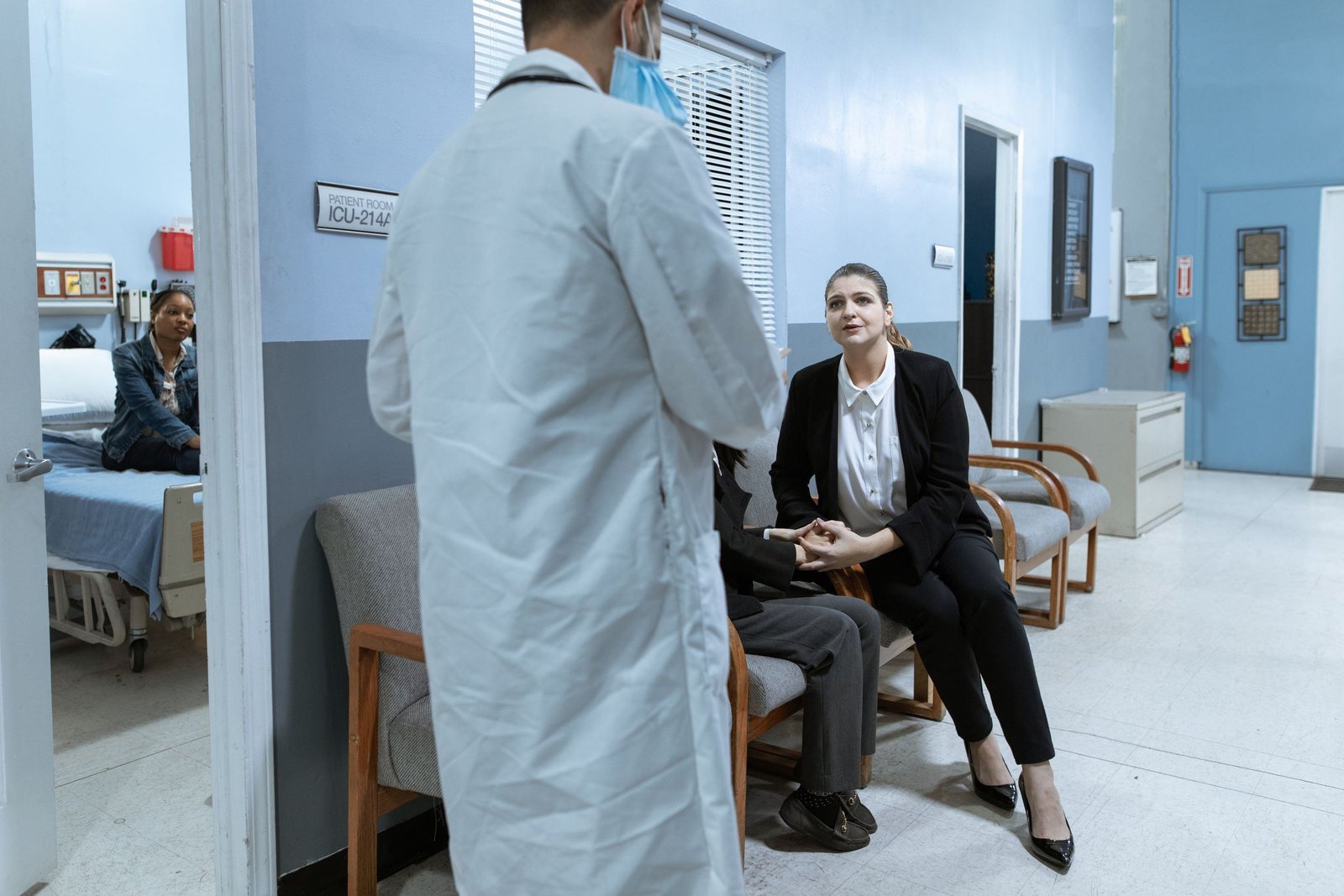

If a MAT clinic denied entry, learn the exact cause. Ask staff what blocked you. Was it a waitlist? A missing form? A service they do not offer? Or a choice not to admit you?
Request the exact cause. Ask about your next steps. If this clinic cannot help, reach out to another provider. Say which medication you need. If you are at risk of withdrawal or overdose, get medical help right away.
We are an editorial team, not a treatment provider. We list programs in a directory using public health sources. This guide gives information only. It is not medical or legal advice.
Denied Entry to MAT Clinic: Initial Actions
If a MAT clinic denied entry, first learn the exact cause. They might have declined care, waitlisted you, asked for more papers, or lacked the specific service or medication you wanted. Knowing the true reason helps you pick your next step.
Common causes for a clinic delaying or refusing admission include:
- Capacity: There is no space left or a waitlist exists.
- Intake documentation: You are missing needed ID, forms, or insurance info.
- Eligibility or clinical fit: The clinic sees a different medication or level of care as better for your current health needs.
- Coverage gaps exist, or your plan is not accepted.Insurance or cost:
- Service scope: The clinic lacks the specific medication (like buprenorphine or methadone) or service you wanted.
Ask the clinic for the exact reason. Find out what must change to reverse the decision. Also ask if they can refer you to a more suitable service. To understand when a referral is required, read our guide on the referral for opioid treatment process and access options.
- Ask for clarity. Call or visit and ask, "Was my request for care declined, or is there a waitlist?" Also ask if intake is incomplete or if the clinic doesn't provide the medication you need.
- Ask what remains. Find out what requirements are still missing. Ask if a review of your case is possible or if another appointment can be scheduled. Ask which nearby providers offer the service you need.
- Record the details. Write down who you spoke with and what they said. This record helps if you need to appeal or explain your situation to another provider.
- Contact another provider. If this clinic truly cannot help, reach out to another program. A treatment plan should be assessed continually and modified as necessary to meet your changing needs.[1]
Details to Save After a Refusal
Your ticks are saved on this device only.
In some cases, money blocks access rather than a clinical call about your health. See our guide on the costs of methadone without insurance if cost is the reason you are stuck.
Keep in mind that choosing care often means a wide review of your health and life.[2] You do not need to give more personal details than required to complete intake or answer a specific question about your file.
What Is Included in MAT or MOUD Treatment
You might see MAT and MOUD used to mean the same care. Both refer to medication treatment for opioid use disorder. MOUD is an acronym for medication for opioid use disorder. Many use this term to show the care is evidence-based.

Treatment programs usually have several steps. First, a provider does an assessment to learn your needs, strengths, and goals.[2] They then help pick the right level of care. Next, the provider starts or manages your medication. Since responses vary, plans are reviewed often.[1] They adjust as your needs change. Many programs also give counseling, case management, or peer support. The exact services vary by provider.
How you get medication depends on the drug type. Methadone for opioid use disorder is only available at Opioid Treatment Programs (OTPs). These clinics need SAMHSA certification and DEA registration.[3] Buprenorphine can be prescribed by doctors, nurse practitioners, and physician assistants. They can write these scripts in primary care or mental health clinics. The special waiver rule ended in 2023.[4]
Research links staying in treatment with better survival odds. A systematic review of observational cohort studies found lower death rates during active treatment.[5] Death rates were higher when people left treatment.[5] These are population-level estimates from research. They do not predict what happens to one person.
11.3 deaths
per 1,000 person-years during methadone treatment[5]
36.1 deaths
per 1,000 person-years out of methadone treatment[5]
4.3 deaths
per 1,000 person-years during buprenorphine treatment[5]
9.5 deaths
per 1,000 person-years out of buprenorphine treatment[5]
Do not stop your search if you were denied entry to a MAT clinic. It takes patience to find a provider who accepts your insurance and has the medication you need. But it is worth the effort. To understand what your plan covers, see our guide to insurance coverage for MAT and how to verify benefits.
Search for a New Methadone or Buprenorphine Provider
If one clinic turned you down, you still have other choices. Your medication determines the next step.
Ongoing outpatient care for opioid use disorder with methadone generally requires a certified opioid treatment program (OTP).[3] SAMHSA must certify these clinics, and they must register with the Drug Enforcement Administration.[3] Short-term emergency care or hospital treatment are limited exceptions.
Rules for buprenorphine are not the same. The old federal prescribing rule ended in 2023.[4] More doctors can now write these prescriptions.
Phone ahead before you go. Check if they stock your medicine. See if they are accepting new patients. Ask what paperwork you need. For a closer look at that process, our guide to your first methadone clinic visit explains how intake and safety work. Our guide to methadone clinic hours explains visit frequency and what to expect during intake.
You can search for help at FindTreatment.gov.[6] This site lists substance use treatment places across the U.S.[6] You can also call the SAMHSA National Helpline at 1-800-662-4357. The line is free and private.
Look for area programs here: search for other providers. A listing does not guarantee an open spot. It does not promise you will be admitted.
High costs stop many people. Read about low-cost opioid treatment options. Our guide helps you if you want buprenorphine. find a buprenorphine prescriber
Which Provider Should I Contact Next?
This self-check is an access guide only and isn't a clinical assessment. If you think someone is overdosing or in immediate danger, call 911 or go to the nearest emergency room now. For thoughts of suicide or an emotional crisis, call or text 988. Don't wait for search results.
Actions to Take During a Treatment Gap
Act fast if you face denied entry to mat clinic. Phone your former clinic to clear things up. Then find another provider for opioid use disorder.Go to an emergency room if you have urgent medical needs. Do not stop or change your medication alone.

Ongoing care is often not available at walk-in or urgent-care clinics. Federal rules state that only certified Opioid Treatment Programs (OTPs) can give methadone for opioid use disorder.[3] Many do not offer it. Some may not manage buprenorphine long-term. The X-waiver for prescribing buprenorphine ended in 2023. Yet providers still need a DEA registration to prescribe it.[4] Federal rules allow practitioners to dispense not more than a three-day supply of narcotic drugs to start maintenance or detoxification. This exception has strict limits.[7] States may have extra oversight rules. Check your state’s oversight agency for details.[8] Call any clinic before you go. Ask if they can provide the specific care you need. One visit may not replace regular care.
Handling withdrawal symptoms can be very hard. You might have muscle aches or feel restless. Nausea, vomiting, and diarrhea are common.[9] Dehydration can happen. Talk to a qualified clinician about next steps.
It is dangerous to lose tolerance during a gap in treatment. If you return to using opioids, you could overdose on a smaller dose than before.[10] This risk is real even if you feel okay right now.
Right now
Figure out what happened with your clinic. Did they turn you away or delay your refill? Call a qualified provider now to report the gap and ask for help staying in treatment.
While arranging care
Call other local providers or helplines. Ask each one: "Can you prescribe buprenorphine?" or "Can I start methadone here today?" Do not assume they can help until they say yes.
If health or safety worsens
For less urgent symptoms, contact a qualified clinician. If you are severely dehydrated or cannot keep fluids down, seek urgent medical help. Call 911 or go to the nearest emergency room now for severe confusion, seizures, hallucinations, a high fever or racing heart during withdrawal, thoughts of suicide or self-harm, or a possible overdose. For suicidal thoughts, call 988 as well.
For more details on withdrawal symptoms and risks, see our guide on opioid withdrawal symptoms and risks.
2026 Methadone Rules: Federal, State, and Clinic Needs
If you faced denied entry to mat clinic, three sources may explain why. Federal rules are the base for certified opioid treatment programs (OTPs). States add local rules. Clinics also follow their own steps. No single new rule applies to everyone in 2026.
A major federal update occurred before this. In 2024, SAMHSA finalized updates to 42 CFR Part 8.[7] The rule became effective on April 2, 2024.[7] By October 2, 2024, clinics had to comply.[7] Therefore, clinics have followed these standards since late 2024.
Current federal rules say only SAMHSA-certified, DEA-registered OTPs can give methadone for opioid use disorder.[3] A narrow exception lets practitioners start care with up to three days of narcotics. This is not a routine prescription or a replacement for ongoing treatment at a certified program.[7]
States may add their own OTP or substance-use treatment oversight rules to federal ones.[8] Providers also make their own intake policies. Look at all three levels to find why a clinic refused you. Read our guide on methadone maintenance rules for more background.
| Level | What it may govern | Where to check | Question to ask |
|---|---|---|---|
| Federal OTP requirements | Certification and basic treatment standards | SAMHSA website or the clinic’s certification status | "Does this clinic meet current federal OTP standards?" |
| State requirements | Licensing and reporting rules for your state | Your state’s official OTP or substance-use treatment oversight agency | "What does my state require for admission?" |
| Provider procedures | Intake steps, paperwork, and capacity limits | The specific clinic’s intake coordinator or patient advocate | "What specific policy led to my denial?" |
The rules change based on where you live and the provider type. For local details, always contact your state’s official oversight agency.
How to Request a Reconsideration or Submit a Complaint
Not every refusal to admit you breaks the law. Your best next move depends on the details. It also relies on your location and the provider type. Try to get clarity before escalating.

Request an explanation from the clinic's intake lead, patient advocate, or administrator. If there is an internal review process, ask how to access it. Save a copy of any written decision. Record the reason stated.
The path for filing a complaint differs. Medicaid regulations offer a fair-hearing process for some service denials or cuts by the state agency.[11] This is distinct from a provider's decision on admitting you. Plans under federal rules typically provide an internal appeal and occasionally an external review for private insurance denials.[12] You can read more about how to appeal a denied treatment.
Contact your state's oversight agency if a state-licensed opioid treatment program has operating issues. The state licensing board may be the right place for one clinician's conduct. If a disability caused the denial, the HHS Office for Civil Rights may be an option when its rules apply. Agencies vary by provider type and location. Check which agency handles your case.
Before You Escalate
Your ticks are saved on this device only.
Methadone Remains in Use, and Treatment Lengths Differ
Methadone is an FDA-approved medication for opioid use disorder.[3] It has not been swapped out for newer drugs for all people. If a provider advises a switch, ask why it is suggested for you. Talk about your choices with a qualified provider.
Everyone’s treatment time is different. No set limit exists for medication-assisted treatment for opioid use disorder.[13] Some people take methadone for months. Others stay on it for years. Doing either does not mean you failed.
You and your care team decide on staying on, changing, or tapering off medication. Ask a qualified provider before you make changes. Do not change your dose or stop taking it by yourself.
Recognize an Opioid Overdose and Get Emergency Help
If you are denied entry to a MAT clinic, your risk of overdose may go up. If you think someone is overdosing, call 911 right now. Do not wait for them to improve.

Check for these signs. Their breathing might be hard, shallow, or slow.[14] They may be very drowsy. They might not answer you or wake up.[14]
Give naloxone if you have it and see these signs. Use the package instructions.[14] Naloxone blocks opioids quickly. It can help breathing for a short time.[14]
Naloxone is not a cure, however. It does not replace emergency care. An opioid overdose is a medical emergency. Call 911 or go to the nearest emergency room right away.
Ask local health programs or your pharmacist about naloxone. Stock and rules differ by area. Call SAMHSA's National Helpline or visit FindTreatment.gov for help finding treatment after a denial. These services help with access, not emergencies.
Frequently Asked Questions
What should I do if a clinic says it has no openings?
Ask if they have a waitlist. Also ask for referrals to other providers. Check if they are open before you travel. You can call SAMHSA's National Helpline for free referrals 24 hours a day.[15]
Can an urgent-care clinic give me a temporary methadone bridge?
Do not assume an urgent-care clinic offers this. Call ahead to ask what they provide. Federal rules allow doctors to give up to a three-day supply of narcotic drugs.[7] This helps start treatment while you find a provider. It is not guaranteed everywhere. Contact a qualified treatment provider soon.
Can I ask a clinic for a copy of my records?
Yes, you can ask for your records. Ask the clinic how to request them. They may need to check your identity first. Ask them how long they typically take to respond to record requests.
Can I complain if I think a refusal involved disability discrimination?
A refusal alone does not prove discrimination. Describe what happened and ask who handles complaints. The HHS Office for Civil Rights takes some health care complaints. Deadlines depend on your specific situation and the laws that apply.
Can I appeal if my insurance plan denied coverage?
Ask your plan for the written denial notice. Read the reason given for the denial. Follow their steps to file an appeal. For many plans, you have up to 180 days to file an internal appeal.[16] This challenges the insurance decision, not the clinic's choice to deny you care.
Can I get naloxone without a prescription?
Ask your pharmacy about naloxone options. Local community programs may also have it. The FDA approved Narcan nasal spray for over-the-counter use in 2023.[17] Stock varies by location and product type. Always follow the package instructions carefully. Call 911 right away if you think someone overdosed.
Can I find low-cost opioid treatment if I do not have insurance?
Ask providers about self-pay rates first. Ask if they offer sliding fees based on income. Confirm directly if they provide methadone or buprenorphine treatment before you schedule an appointment.