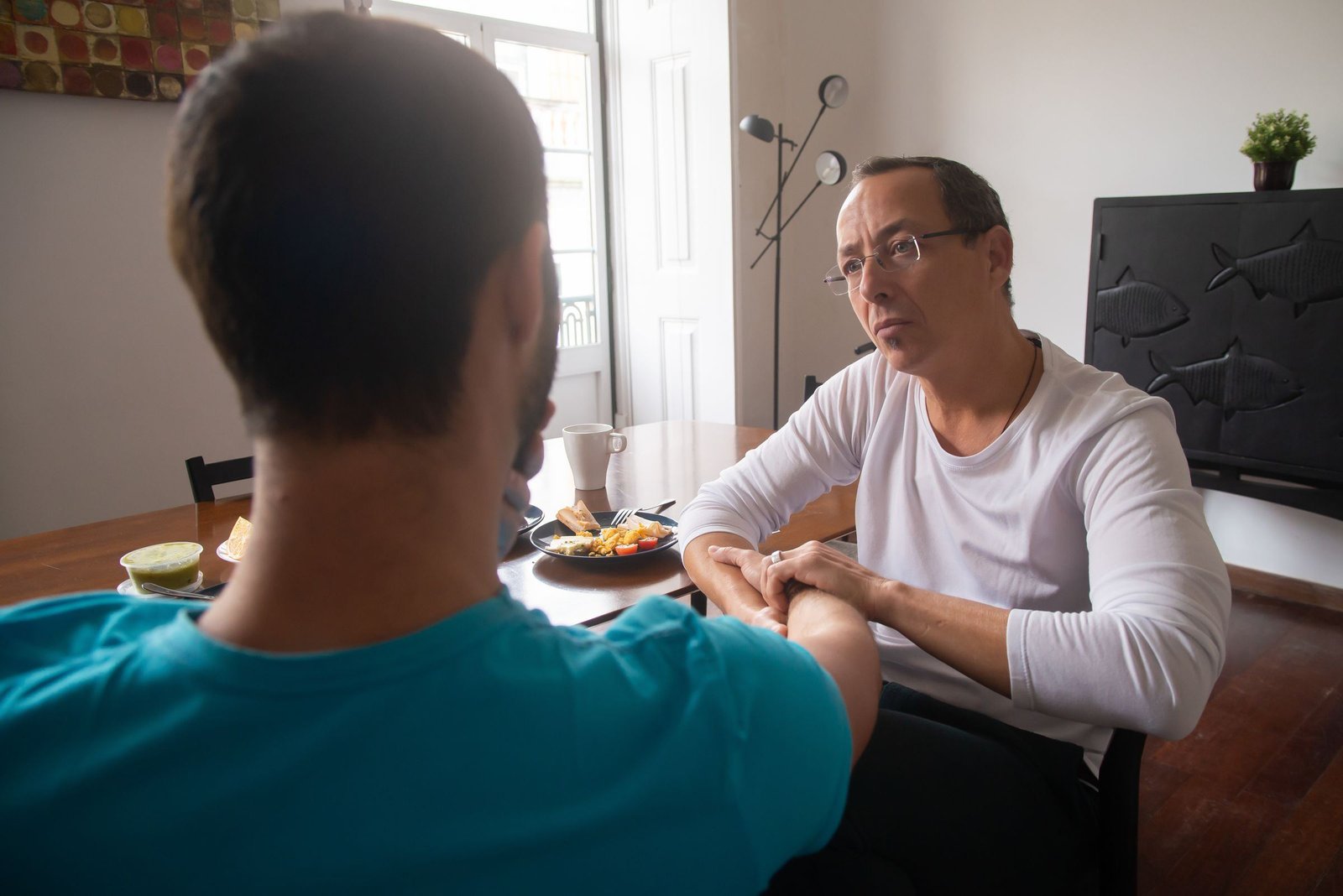
When your loved one refuses alcohol treatment, the hardest part is not knowing what to do next. You cannot force someone into rehab. But you can focus on immediate safety. Talk with them calmly. Offer a manageable next step instead of demanding a decision. Our guide on convincing someone to go to rehab offers compassionate strategies for navigating these difficult conversations.
If they show signs of alcohol poisoning or severe withdrawal, call 911 or go to the nearest emergency room now. Do not wait for them to agree to help.
We are an editorial team at a treatment directory, not a treatment provider. This guide focuses on navigating refusal and finding next steps. For broader support on approaching someone with alcohol use disorder, see our family guide to helping someone.
Recognize an Emergency Before Starting a Conversation
Before you try to talk your loved one into getting help, make sure they are safe. Some situations require immediate medical attention, not a conversation. If you see the signs below, call 911 or go to the nearest emergency room now. Do not wait for them to agree to treatment.
Alcohol Poisoning Signs
Alcohol overdose can be fatal. Watch for these critical signs:[1]
- Inability to wake up or remain conscious
- Vomiting
- Seizures
- Slow or irregular breathing
- Pale, blue, or clammy skin
Alcohol Withdrawal Warning Signs
If your loved one has recently stopped drinking or cut back significantly, they may be in withdrawal. Severe alcohol withdrawal can include seizures, hallucinations, and severe confusion.[2] Other danger signs include a high fever or a racing heart. Alcohol withdrawal can become life-threatening.[3]
- Recognize the warning signs. Look for the symptoms listed above, such as unresponsiveness, seizures, or severe confusion.
- Call 911 immediately. Tell the dispatcher exactly what you see and what substances were involved. Mention if the person is unconscious or having trouble breathing.
- Follow the dispatcher’s directions. Stay with the person until help arrives. Do not try to manage suspected alcohol poisoning or severe withdrawal at home, even if they refuse care.
Why Someone May Decline Help
It can feel confusing when a loved one turns down help. Many people with alcohol use disorder do not get treatment, even though options exist. Alcohol use disorder is defined as a problematic pattern of alcohol use that leads to significant impairment or distress.[4] Treatment can include counseling and one of the three medications the FDA has approved for alcohol use disorder.[5]

Refusal does not mean a person does not have a problem. Doctors check for alcohol use disorder by looking at symptoms over time, not by whether someone agrees to treatment.[4] Try to understand what is getting in the way, instead of arguing about a diagnosis.
28.9 million
U.S. adults with alcohol use disorder in 2023[4]
7.9%
of adults with alcohol use disorder received treatment in 2023[4]
3
FDA-approved medications for alcohol use disorder[5]
Why Someone With Alcohol Use Disorder May Refuse Treatment
There are many possible reasons someone might say no to help. They may worry about stigma, cost, privacy or what treatment actually looks like. Instead of guessing, ask open questions. What worries them most about treatment? What kind of help feels unacceptable? What might feel more manageable right now?
Also, remember that there is no single mental illness to assume is present. Alcohol use disorder can co-occur with mental health conditions, but the mix varies from person to person.[6] Only an individual check can clarify what is happening. For more background on the condition itself, read our guide on understanding alcohol use disorder.
Plan a Calm, Specific Conversation
You cannot force someone into treatment, but you can invite them to consider it. A clear, kind conversation is more likely to be heard than a heated argument. There is no magic script that guarantees acceptance, but a structured approach helps keep the door open.
- Pick a calm, private moment. Choose a time when the person is sober and not stressed. Avoid doing this during an argument or right after they’ve been drinking.
- Share specific observations. Use “I” statements to describe what you’ve seen, not who you think they are. Try saying: “I noticed you missed work twice this week, and I’m worried.”
- Ask and listen. Ask an open question like, “How have things been going for you?” Then pause. Let them speak without interrupting or correcting them.
- Offer one small step. Instead of demanding rehab, suggest a low-pressure option. Try saying: “Would you be willing to talk with your doctor about how your drinking affects your sleep?”
Words to Avoid
Certain phrases often make people defensive or shut down the conversation. Try to steer clear of:
- Labels like “alcoholic” or “addict.”
- Ultimatums or threats (“If you don’t stop, I’m leaving”).
- Arguing over whether they have a problem.
- Demanding an immediate promise to get help.
If the conversation stalls, it’s okay to pause and try again another day. For more detailed guidance on phrasing and timing, see our guide on starting a conversation about drinking.
Offer Options Beyond Inpatient Rehab
Saying no to inpatient rehab doesn't mean saying no to all help. Finding alcohol treatment options often starts with smaller, less intimidating steps. You can encourage your loved one to talk with a professional about their drinking without committing to a specific program yet.

Here are four common starting points to consider.
| Option | What it can help with | A low-pressure first step |
|---|---|---|
| Primary care doctor | General health checks, blood tests, and basic advice on cutting back | "Can we just ask the doctor what my labs show?" |
| Addiction professional | Screening for alcohol use disorder and discussing next steps | "Would you be willing to do a quick screening?" |
| Outpatient treatment | Therapy and support while living at home and keeping work or family routines | "What would it look like to try counseling a few times a week?" |
| SAMHSA National Helpline | Free, confidential information and referrals to local services[7] | "Let's call together just to see what's available." |
Outpatient care is a strong alternative for many people. It allows someone to receive structured support while staying in their daily environment. A clinician can help decide whether outpatient care is safe and appropriate. If your loved one shows signs of severe withdrawal, call 911 or go to the nearest emergency room now. To learn more about how this compares with residential care, you can read about outpatient treatment options.
If you aren't sure where to begin, the SAMHSA National Helpline is a useful resource. It is free, confidential, and available 24 hours a day, 7 days a week.[7] You can call 1-800-662-HELP (4357) or text your zip code to HELP4U (435748).[8] This service connects callers with local treatment referrals and information about mental health and substance use disorders.[7]
Remember that the helpline provides information and referrals. It is not for emergencies. If your loved one is having thoughts of suicide or self-harm, call 911 or go to the nearest emergency room now, or call or text 988.
Talk About Cravings Without Promising a Quick Fix
If your loved one asks what kills the urge to drink alcohol, be honest. There is no guaranteed instant way to eliminate an alcohol craving. Cravings can vary over time.
Instead of offering a trick, encourage them to talk with a health professional. A doctor or licensed therapist can explain individualized treatment options that may help manage cravings.[9] Medication is one possible part of a comprehensive plan for alcohol use disorder. It may help reduce craving when combined with counseling.[10]
How to Help Without Enabling
It is hard to watch someone you love struggle with alcohol. You want to help, but you also want to protect yourself. Learning how to support someone with alcohol use disorder without enabling them means finding a balance. It means caring for them, but not hiding the results of their drinking.

There are many ways to show support that do not cover for someone. These might include:
- Listening without judgment when they are willing to talk.
- Helping them find a doctor or therapist.
- Offering a ride to an appointment, if they ask and it feels safe.
- Encouraging healthy activities that do not involve alcohol.
On the other hand, some actions can make it easier for them to keep drinking. You might choose not to lie to their boss about missed work. You might choose not to give them money you think will buy alcohol. You might choose not to take over tasks they cannot handle safely while intoxicated.
Behavioral approaches like Community Reinforcement and Family Training (CRAFT) teach family members new skills. These skills help you change your own interactions to reinforce healthier behaviors.[9] This approach focuses on what you can control, which is your own response.
A Supportive Boundary
Boundaries are not rules that force someone else to change. They are clear statements about what you will do. For example, instead of saying "You can't drink," you might say, "I will leave the room if you are intoxicated." This protects your well-being without trying to control their choices.
A Supportive Boundary
Your ticks are saved on this device only.
Setting limits is difficult, and you do not have to do it alone. Mutual-support groups like Al-Anon provide peer-led spaces for people affected by someone else’s drinking.[11] Reading more about setting boundaries without blame can help you find words that feel right for your situation.
What You Can—and Cannot—Control
It is hard to watch someone you love struggle with drinking, especially when they say no to help. You can share your concerns, offer choices, and seek guidance yourself. But you generally cannot force an adult into routine treatment against their will. Eligibility and criteria for involuntary evaluation vary by state and situation. If you believe someone needs an emergency evaluation, call 911 or go to the nearest emergency room now. For questions about legal options, ask a local attorney, legal aid organization, or hospital social worker what laws apply in your area.
This self-check helps you pick a practical next step. It does not diagnose your loved one or measure medical risk. If you see any signs of alcohol poisoning or severe withdrawal mentioned earlier, call 911 or go to the nearest emergency room now, no matter what you answer here. If you are worried about suicide or self-harm, call 911 or go to the nearest emergency room now, or call or text 988.[12]
Which Next Step Fits Right Now?
This self-check is for information only and isn't a diagnosis. It cannot assess medical risk. If there are signs of alcohol poisoning or severe withdrawal, call 911 or go to the nearest emergency room now. For thoughts of suicide or self-harm, call 911 or go to the nearest emergency room now, or call or text 988.
How to Cope When Someone You Love Refuses Help
While you wait for your loved one to accept help, your own wellbeing matters. You can seek support for yourself without waiting for them to agree to treatment. Talking with a trusted friend, counselor, or peer group can ease the stress of caring for someone who isn't ready to change.

Protecting your sleep, safety, and daily responsibilities is not selfish. It helps you stay steady. Programs exist specifically for families and friends. CRAFT teaches family and friends effective strategies for helping their loved one to change and to feel better themselves.[9] SMART Recovery Family & Friends provides support resources for people affected by another person's addictive behavior.[11]
If you want more guidance on managing the emotional toll at home, read our guide on coping with family addiction.
Frequently Asked Questions
How can I help someone with alcohol use disorder consider rehab?
You cannot force someone to change. But you can change how you respond. The Community Reinforcement and Family Training (CRAFT) method teaches family skills to encourage positive behaviors.[10] It works better than confrontational interventions.[10] Ask what worries them about treatment. Offer small, easy next steps.
Can I make an adult go to rehab or see a doctor?
In most cases, you cannot require an adult to enter routine treatment. Laws on involuntary care vary greatly between states.[13] These laws usually require that the person poses a threat to themselves or others.[13] If you are unsure about local laws, contact a local legal aid organization for guidance. If your loved one is in immediate danger, call 911 or go to the nearest emergency room now.
What kills the urge to drink alcohol?
There is no single trick that instantly stops cravings for everyone. Environmental cues, like seeing alcohol or being in certain places, can trigger strong urges.[14] A doctor or therapist can help identify specific triggers. They can discuss safe strategies for managing them.
What mental illness do most people with alcohol use disorder have?
There is no single mental illness that applies to most people with alcohol use disorder. Each person needs an individual check-up rather than assumptions based on their drinking. Alcohol withdrawal can also complicate existing mental health conditions.[3] This makes professional evaluation important.[3]
How do I cope when someone I love refuses help?
Focus on your own well-being by setting boundaries you can maintain. Seek support for yourself through groups like Al-Anon. These groups are for families and friends, even if the person with the substance use disorder does not attend. If your loved one shows signs of danger, such as severe confusion or thoughts of self-harm, call 911 or go to the nearest emergency room now; you can also call or text 988 for suicidal thoughts.