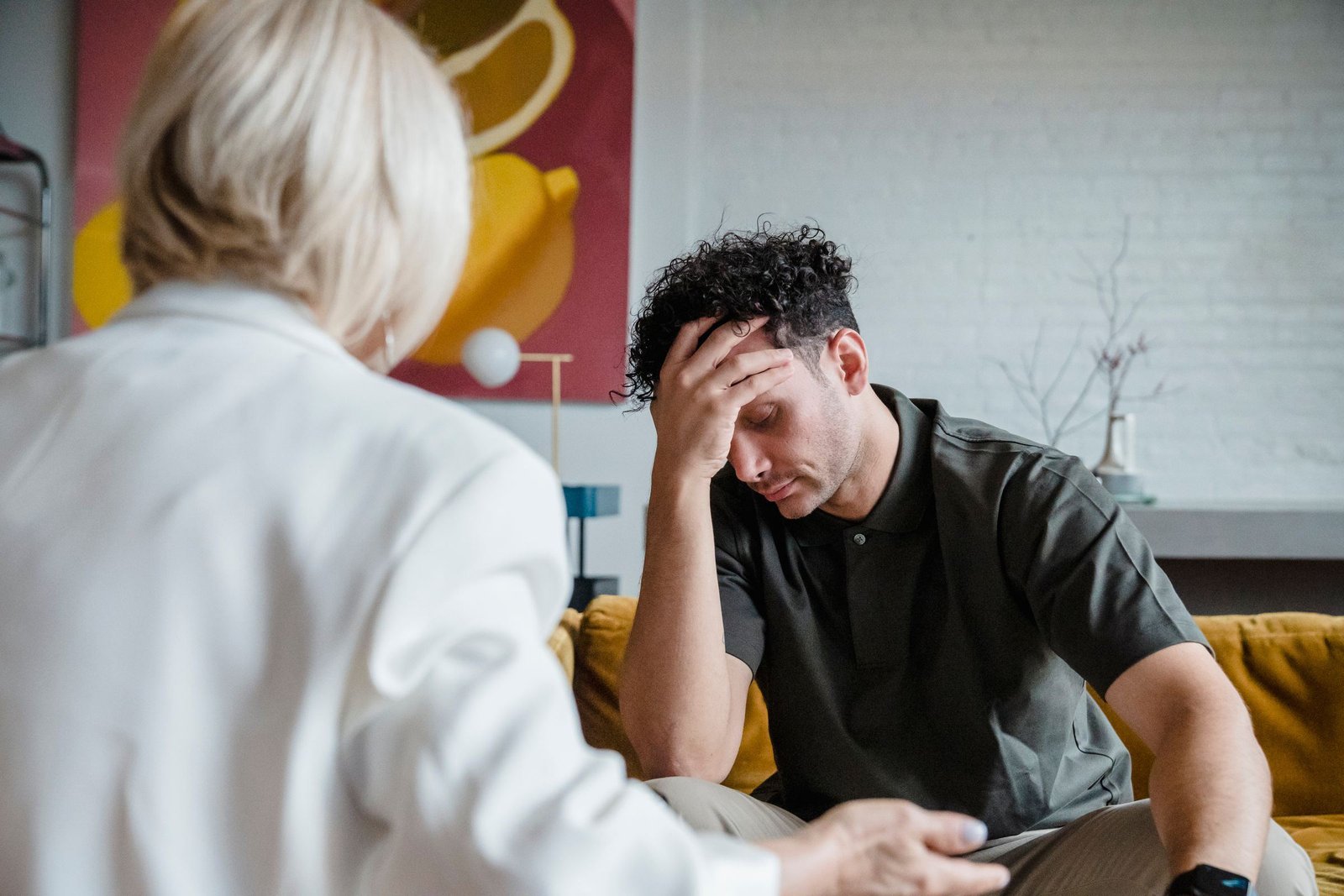

Symptoms of stimulant heart damage may be mild discomfort or signs of a serious cardiac event. Using stimulants can lead to heart-related symptoms. Yet, having symptoms does not confirm heart injury or lasting damage. If you have chest pain or pressure, trouble breathing, fainting, or a severe or irregular heartbeat, call 911 or go to the nearest emergency room now.
This guide covers spotting these signs, judging how urgent they are, and what to do next. See our stimulant withdrawal overview for wider impacts on mood and energy while recovering. We are a U.S. treatment directory, not a treatment provider. We gathered this information from public health sources to help you know what to watch for and when to seek help.
Stimulant Heart Symptoms That Need Emergency Care
Certain stimulant heart symptoms mean a medical emergency. If you or someone near you has any of the signs below after using stimulants, call 911 or go to the nearest emergency room now. Do not wait to see if they go away on their own.
Stimulant overdose can cause dangerous changes in heart rate or body temperature. It can be life-threatening.[1] If someone has signs of an overdose, call 911 right away and stay with them. To learn more about telling the difference between withdrawal and overdose, read our guide on distinguishing withdrawal from overdose.
Chest Pain Caused by Stimulants
If you feel chest pain or pressure after using stimulants, treat it as an emergency warning sign. Take it seriously, even if you think it is only anxiety or a crash. Do not wait for the pain to get worse before you act. Call 911 or go to the nearest emergency room now.
What Symptoms Can and Cannot Reveal
Symptoms signal an issue but not the specific cause. Chest tightness or a racing heart can stem from anxiety, acid reflux, muscle strain, or heart problems.[2] This overlap means you cannot diagnose heart damage based on feelings alone.

If you have chest pain or pressure after stimulant use, call 911 or go to the nearest emergency room now. Do not wait for stimulant effects to fade.[1]
Multiple causes
for chest pain, ranging from harmless to life-threatening[2]
Emergency response
for chest pain or pressure after stimulant use: call 911 or go to the nearest emergency room now[1]
Read our guide on the cardiovascular risks of stimulant use to see how various substances impact the heart. For details on how different methods of use affect the heart and brain, see our guide to the dangers of meth routes of use. For a deeper look at specific cardiac complications, our guide to meth heart damage outlines warning signs and heart failure risks. For a closer look at this stimulant, our guide to the effects of cocaine use covers side effects and warning signs.
Stimulant Crash vs. Heart Warning Signs
Stimulants can push up your heart rate and blood pressure.[3] Once the drug fades, you might feel shaky, low, or exhausted. A crash causes some of these feelings. But others could point to heart trouble. The signs overlap, so you cannot spot the difference by yourself.
The following table compares common experiences. It cannot diagnose or rule out a heart issue. Treat it as urgent if you are unsure.
| Symptom or pattern | May be linked to | Safe next step |
|---|---|---|
| Chest pain or pressure | Reduced blood flow or heart strain | Call 911 or go to the nearest emergency room now |
| Trouble breathing | Lung or heart stress | Call 911 or go to the nearest emergency room now |
| Fainting or near-fainting | Blood pressure or heart rhythm problems | Call 911 or go to the nearest emergency room now |
| Severe or irregular heartbeat | Heart rhythm disturbance | Call 911 or go to the nearest emergency room now |
| Fatigue and low energy | Crash or withdrawal from stimulants | Rest, drink fluids, and call your doctor if it stays |
| Low mood or irritability | Crash or withdrawal from stimulants | Reach out to a trusted person and your prescriber |
| Sleeping much more than usual | Getting over stimulant use | Allow rest; if someone cannot be woken normally, call 911 or go to the nearest emergency room now |
| Appetite changes (up or down) | Body healing from stimulant impacts | Eat small meals; ask your doctor if weight shifts quickly |
Do not think this is only a crash.If you have chest pain, trouble breathing, fainting, or a severe irregular heartbeat, call 911 or go to the nearest emergency room now. Do not wait to see if it passes.
Why Timing Does Not Rule Out Danger
It is natural to wonder if a heart symptom is tied to when you used a stimulant. Timing alone cannot show that a symptom is harmless.
Do not use a link to withdrawal or a crash to decide if you need help. For non-emergency symptoms, contact a healthcare professional for evaluation.
If you have chest pain, trouble breathing, fainting, or a very fast or irregular heartbeat, call 911 or go to the nearest emergency room now. Do not wait to see if the feeling passes based on when you last used.
During or soon after use
Blood pressure and heart rate can rise with prescription CNS stimulants.[3]
As effects wear off
If you have chest pain or pressure, call 911 or go to the nearest emergency room now. If your heartbeat is severe or irregular, call 911 or go to the nearest emergency room now.
After reducing or stopping
If you have shortness of breath or trouble breathing, call 911 or go to the nearest emergency room now. See a healthcare professional for swelling if you have no emergency signs.
Prescription and Misused Stimulants
Both prescribed and misused stimulants can lead to heart symptoms. Prescription stimulant medicines can increase heart rate and blood pressure.[4] Some labels warn people with serious heart disease or rhythm problems not to use them.[5] Therefore, be honest with your healthcare professional about all substances you have taken. This includes prescribed stimulants, nonmedical stimulants, supplements, and other substances. If you are also using alcohol, our guide to alcohol and cocaine together explains the unique risks of this combination.

Ask the prescriber if you have worries about a prescription. Never adjust, stop, or begin meds by yourself. This page helps you identify signs. Read our guide to stimulant use heart health risks for broader heart effects. If signs show up after quitting a prescribed stimulant, learn more about prescribed stimulant crash symptoms.
Details to Share With Your Healthcare Professional
Important: If you have chest pain or pressure, trouble breathing, fainting, a severe or irregular heartbeat, or suspect an overdose, do not wait to gather this information. Call 911 or go to the nearest emergency room now.
Your ticks are saved on this device only.
What Happens During a Medical Exam
Seeing a clinician is the right step if you worry about your heart. Tests depend on your report and their findings, so workups vary.
If you have chest pain or pressure, trouble breathing, fainting, a severe or irregular heartbeat, or signs of an overdose, call 911 or go to the nearest emergency room now. Do not wait for a routine appointment.
- Describe your symptoms and timing. Tell the clinician when symptoms began, how long they last, and what makes them feel better or worse.
- Write down all stimulants you take, such as ADHD meds and other drugs.Share your full history. Note the dose and how frequently you take each.
- Receive an exam and initial tests. The clinician may check vital signs and do a physical exam. They may order an electrocardiogram (ECG) to view your heart's rhythm. Blood tests can help spot organ stress and heart muscle injury.[1] Sometimes, they may order an echocardiogram to see how your heart moves and pumps.
- Discuss results and next steps. Ask what the findings mean for you and whether you need follow-up visits or referrals to a cardiologist or addiction specialist.
If you have had chest pain or pressure, trouble breathing, fainting, or a severe or irregular heartbeat after stimulant use, call 911 or go to the nearest emergency room now, even if the symptoms have resolved. If you lack these warning signs but seek support for stimulant use, explore levels of care for stimulant use to find treatment options that fit your life.
Find a Secure Path Forward
This self-check helps you consider next steps. It cannot diagnose heart damage. It cannot say if you are safe.

What Is the Safest Next Step?
If you have chest pain or pressure, trouble breathing, fainting, a severe or irregular heartbeat, or signs of an overdose, call 911 or go to the nearest emergency room now. Do not take this quiz first. This self-check is for information only and isn't a diagnosis.
Once a doctor checks urgent heart worries, look into support for stimulant use if you need it. Treatment plans often use behavioral therapies, such as contingency management.[6] You can search for treatment options that cover both heart health and substance use support.
Frequently Asked Questions
Which heart-related symptoms after stimulant use need emergency care?
Chest pain or pressure, trouble breathing, fainting, or a severe or irregular heartbeat means call 911 or go to the nearest emergency room now. Heart attack warning signs can also include discomfort in the back, jaw, neck, or arm, nausea, and cold sweats.[7] If you have these symptoms, call 911 or go to the nearest emergency room now. Symptoms vary a lot. Some people may feel little or no chest pain.[7]
Can stimulant use affect your heart without obvious symptoms?
Yes. Some heart conditions may cause few or no clear signs. Feeling fine does not mean nothing is wrong. Shortness of breath is a known sign of heart failure,[8] but other issues may stay silent until tested. A clinician can check your concerns. Do not treat a lack of symptoms as proof of heart health.
Do heart symptoms mean I have permanent heart damage?
That is not always true. Symptoms do not prove damage happened or if it is permanent. In some cases, heart function improved in people with methamphetamine-associated cardiomyopathy. However, that does not predict your result. A medical check is the only way to know the impact on your heart.
Can heart symptoms happen after a stimulant wears off or after stopping?
Yes. The timing does not tell you if a symptom is a crash, withdrawal, or a heart problem. Certain stimulant-related heart issues may develop after repeated use, not just during immediate effects. Get an evaluation for worrying symptoms, no matter when they started compared to your last use.
How can I tell a stimulant crash from a possible heart problem?
You cannot reliably tell them apart using a symptom list or timing. Crash signs and some heart-related signs can overlap. If you have chest pain or pressure, trouble breathing, fainting, or a severe or irregular heartbeat, call 911 or go to the nearest emergency room now. Getting checked out is safer than guessing at home.
What should I tell a healthcare professional, and what might an evaluation involve?
Tell them which stimulant you used and if a doctor prescribed it. Share when you took it and when symptoms started. List any other substances or medicines. An evaluation may include an exam, ECG, and blood tests. Clinicians may repeat cardiac blood tests to check for possible acute heart problems. Honesty helps providers choose the right care for you.