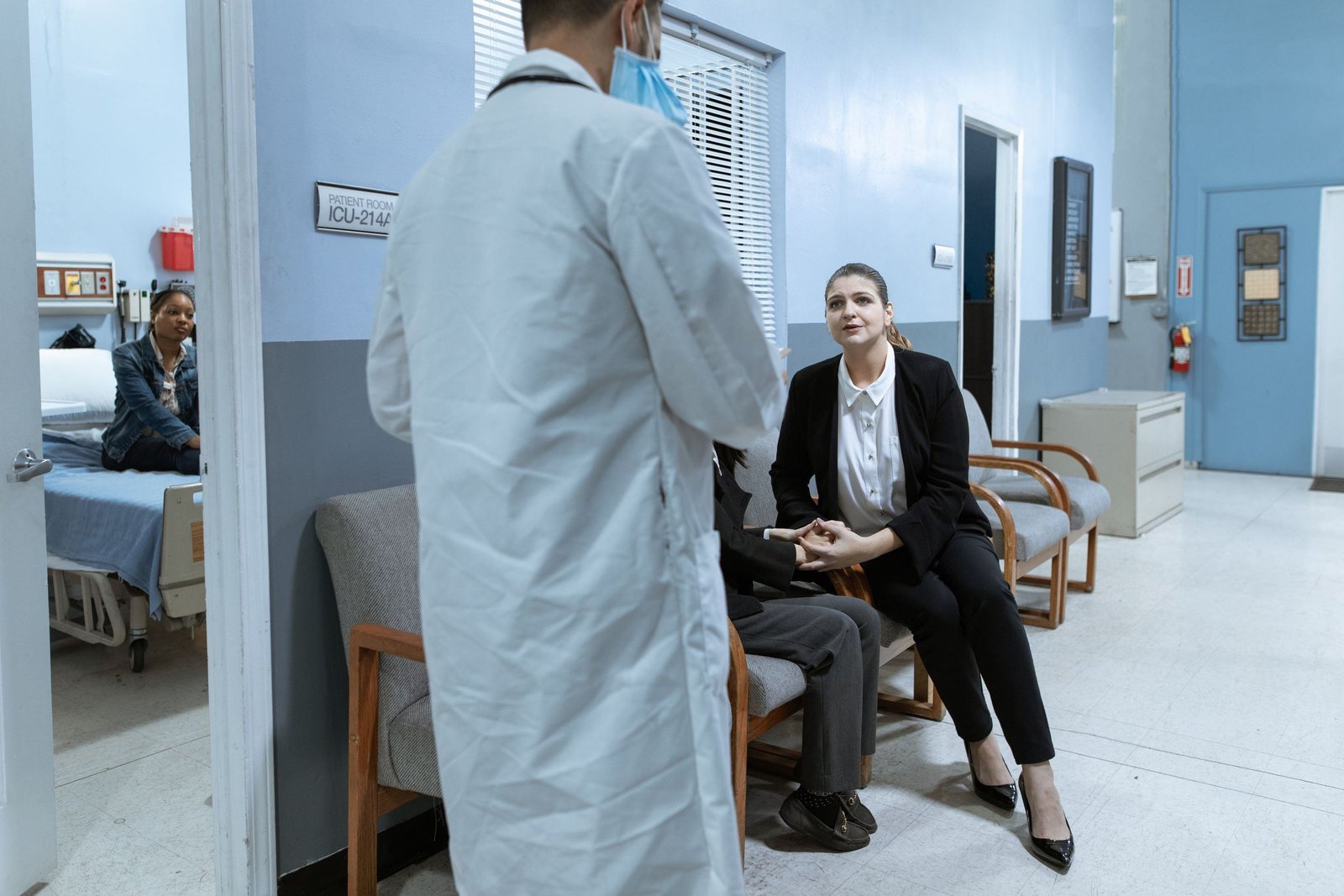

Yes, in many cases you can start or continue buprenorphine treatment through telehealth. But it does not work for everyone. Your location, current rules, and your health all play a role. A clinician must check if remote care is safe for you.
This guide explains how online visits work. It covers prescribing rules, pharmacies, costs, and how to check a service. It is not a substitute for care made just for you.
We are a treatment directory publisher, not a provider. If you need help choosing a prescriber, see our guide to find a buprenorphine prescriber.
Online Buprenorphine Treatment: Is It an Option?
Yes, online buprenorphine treatment is an option for many people. Some doctors and therapists provide care remotely. They use video or phone visits.
However, availability depends on your state's rules. It also depends on the provider's license. Finally, a clinician must check if this care fits your needs.
Remote care can help close a large gap in access. Telehealth makes it easier to reach a prescriber. This is helpful when local options are scarce, or when travel is difficult.
8.9 million
people ages 12 and older had past-year opioid use disorder in 2023[1]
About 1 in 4
adults with past-year opioid use disorder received medication treatment in 2023[1]
These numbers show how many people need help. They also show how few currently get it. They do not predict your individual outcome. Your eligibility for buprenorphine telehealth depends on your medical history and current situation. A licensed clinician will review these details with you.
To start comparing providers, browse our directory of telehealth treatment programs.
What Happens During an Online Visit?
Every service is a little different, but most follow a similar path. Here is what you might expect from your first contact to your first refill.

Contact a service
Reach out to the provider and confirm they serve your state.
Initial assessment
Share your health history, substance use history, current medications, and other care needs.
Discuss a plan
Talk with a clinician about whether buprenorphine is right for you.
Arrange follow-up
Set up check-ins and confirm how any prescription will reach your pharmacy.
During the assessment, the clinician looks at more than just your drug use. Guidance from the American Society of Addiction Medicine (ASAM) describes this as a multidimensional assessment that considers biomedical, psychological, and social factors.[2] This helps the team understand your whole situation, not just one part of it.
When deciding on treatment options, clinicians are encouraged to consider your preferences and past treatment history.[3] You can ask questions about other options, such as methadone or naltrexone, during this conversation.
It is important to know that an online visit does not guarantee a prescription. ASAM guidance states that the final judgment about whether any course of conduct is appropriate must be made by the clinician after considering each individual patient situation.[4] If a clinician feels you need an in-person evaluation or a higher level of support, they may recommend that instead of prescribing medication remotely.
Prescribing Rules and State Availability
Buprenorphine is a Schedule III controlled substance under federal law.[5] So, the rules for prescribing it are stricter than for many other medications.
Federal law usually requires an in-person medical evaluation first.[6] This applies before a clinician can prescribe a controlled substance over the internet. There are some exceptions to this rule.
The DEA has used temporary rules to extend some telemedicine prescribing flexibilities.[7] These rules have specific start and end dates. Always check the date of any guidance you read, because these rules change.
State laws also matter. Some states require providers who use telehealth across state lines to hold a valid license in your state.[8] This applies if you are physically located there during the visit.
Before you book an appointment, take these steps. This helps ensure the service can legally treat you.
- Confirm your location. Tell the service exactly which state you will be in during the visit. Ask if they accept patients in that state.
- Ask about current federal rules. Ask which telemedicine prescribing rule applies right now. Also, ask if you need an in-person evaluation first.
- Check the clinician's license. Verify that the provider is licensed to practice medicine in your state. You can check with your state medical board.
- Ask about backup plans. Find out what happens if the service cannot prescribe remotely. This might happen due to changing rules or lack of licensure.
Prescriptions, Pharmacies, and Paying for Care
Starting online buprenorphine treatment means paying for two things. You pay for the clinician visit. You also pay for the medication. These often go through different parts of your health plan. The visit might be billed as a medical benefit. The medication goes through your pharmacy benefit.
Federal rules protect your access to these services. If your plan covers mental health or substance use disorder benefits, it generally cannot charge you more or limit your care more strictly than it does for physical health issues.[9] If you buy insurance through the Marketplace, it must include substance use disorder services as an essential health benefit.[10] However, Medicaid rules can vary by state because states decide which services to cover and how much to pay within federal guidelines.[11]
Costs depend on your specific plan and location. So ask clear questions before you book. Use this checklist to gather the details you need.
Confirm Costs and Pharmacy Access
Your ticks are saved on this device only.
For more detailed help navigating benefits, read our guide to insurance coverage for MAT. If you are weighing different medications, you might also find our breakdown of the cost of methadone without insurance useful for comparison.
Buprenorphine vs. Methadone: Treatment and Access
When you compare buprenorphine vs methadone, remember that both are FDA-approved medications for opioid use disorder, along with naltrexone.[12] Neither medication is automatically better for everyone. Your choice depends on your health history, your goals, and what is available near you.

The table below outlines key differences in how these medications work and where you typically receive them.
| Feature | Buprenorphine | Methadone |
|---|---|---|
| Medication Overview | A partial opioid agonist, meaning it activates opioid receptors less strongly than a full agonist.[3] | A full opioid agonist, which fully activates opioid receptors.[3] |
| Common Care Setting | Can be prescribed in offices, clinics, and other settings by providers with a DEA license.[13] | Generally dispensed through certified opioid treatment programs (OTPs) for opioid use disorder.[14] |
| Potential Role of Telehealth | Often available via telehealth if the provider meets legal and clinical requirements. | Less common due to strict dispensing rules; ask specific programs about their policies. |
| Questions to Ask | "Do you prescribe via video visits?" "What are your follow-up rules?" | "How often must I visit in person?" "Can I take doses home?" |
Access to either medication depends on clinical assessment, current regulations, and your location. Do not assume that telehealth is available or that visit frequency will be low. Always ask each program directly about its arrangements.
For more detail on the in-person logistics of methadone care, read our guide to methadone clinic visit frequency.
How to Check an Online Provider
Before you sign up for online buprenorphine treatment, take a few minutes to check the service. You want to know that the clinician is licensed where you live. You also want to know that your health information is protected. Finally, you need to know that someone will help if you have an urgent concern. The checklist below walks through the most important things to ask.
Before You Sign Up
Your ticks are saved on this device only.
Not every app or platform follows the same health privacy rules. Do not assume protection without reading the notice yourself. Also remember that directory listings are not an endorsement or guarantee of a service's suitability. Always confirm details directly with each provider before enrolling.
If you prefer care from a federally supported health center, HRSA provides an online locator for these clinics.[15]
Overdose Safety and Choosing Your Next Step
Knowing the signs of an opioid overdose can save a life. The FDA lists slowed, shallow, or difficult breathing and not being able to respond or wake up as possible signs.[16] If you see these, call 911 right away.

Even after giving naloxone, you must still call for emergency help because its effects are temporary and repeat doses may be needed.[16] You can buy Narcan nasal spray over the counter without a prescription.[17] Read more about recognizing an opioid overdose.
If you cannot find a suitable telehealth addiction treatment service, in-person care is still an option. You can search for local opioid treatment to find clinics near you. If you are helping a family member, our guide on how to find MAT for loved one covers privacy and consent.
What Should I Do Next?
This self-check is for information only and isn't a diagnosis. It cannot determine whether telehealth is appropriate for you.
Frequently Asked Questions
What does telemedicine mean for buprenorphine care?
Telemedicine means you can receive care from a clinician using phone or video calls instead of visiting in person. A remote appointment still involves a real clinical evaluation and does not guarantee that you will receive a prescription. Federal rules require that controlled substance prescriptions, such as those for buprenorphine, be issued by authorized prescribers for legitimate medical purposes.[18]
Can I start buprenorphine treatment through telehealth?
It is possible to start treatment remotely if a service is licensed to see patients in your state and a clinician determines that it is medically appropriate. Current federal rules allow for this type of care, but every situation is different. Just because research supports telehealth does not mean every person will qualify or have the same experience.
What happens at an online buprenorphine appointment?
The clinician will likely ask about your health history, your substance use, and your goals for recovery. They will then discuss the next steps, which may include a plan for follow-up visits. Depending on what they find, the clinician might recommend an in-person evaluation to make sure you are safe and getting the right care.
Is online Suboxone treatment the same as online buprenorphine treatment?
Not exactly. Suboxone is a specific brand-name medication that contains both buprenorphine and naloxone.[19] Buprenorphine treatment can involve other forms of medication that do not contain naloxone. Always ask your clinician which specific medication they are recommending and why it is the right choice for you.
Do I have to attend counseling to receive buprenorphine?
Providers should offer counseling or other supports based on your individual needs, but you should not be denied medication just because you decline it or because services aren't available.[3] ASAM guidance says that lack of access to psychosocial treatment should not stop you from receiving medication-assisted treatment.[3] Ask your provider how these services fit into your specific care plan.
Can I continue buprenorphine care online if I already have a prescription?
You may be able to switch to remote follow-up if your provider can legally treat you in your location and agrees it is appropriate. Contact your current prescriber before changing how you receive care to confirm how they handle prescriptions and follow-ups. ASAM standards emphasize that physicians should adjust the treatment plan whenever there are major changes in your health.[20]
What if no online service is available where I live?
Ask a local doctor, health center, or treatment program about in-person assessments and available medication options. You can also look for HRSA-supported health centers, which use a sliding fee scale based on income so cost doesn't have to be a barrier.[21] These centers are located in both urban and rural areas across the country.[21]