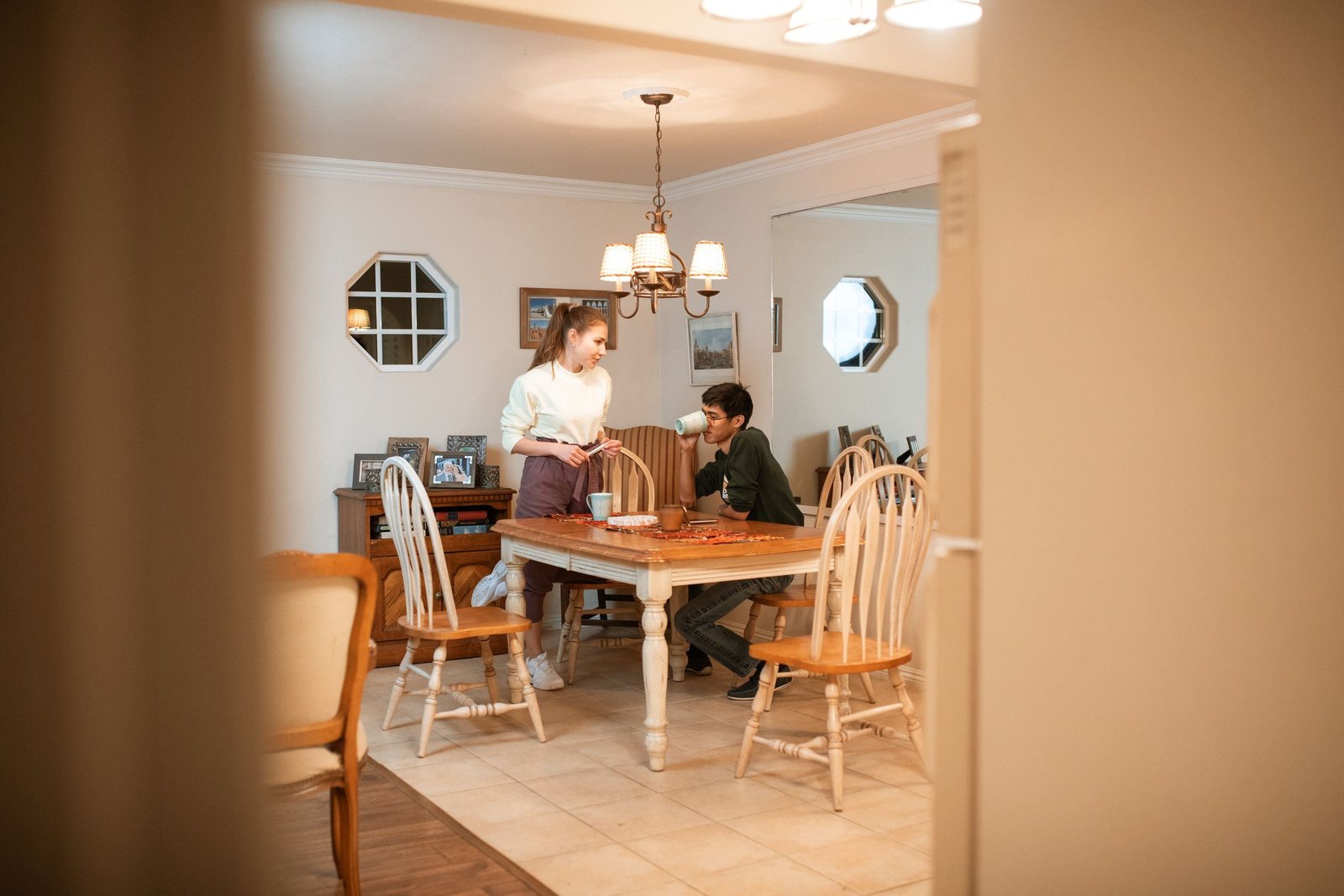
When people say addiction is a family disease, they mean that substance use affects everyone living together. It can alter routines, relationships, and emotional wellbeing. It can also shift responsibilities and make the home feel unsafe.
Labeling it a family disease doesn't imply relatives caused the addiction. Nor does it suggest they will develop one themselves.
Effects vary by your role. Parents, partners, children, and siblings may face distinct challenges. None of these outcomes are inevitable. You can get support for yourself without carrying the burden of another person's recovery.
We are not a treatment provider. We research public health sources and publish a U.S. treatment directory. If substance use involves violence or anyone is in immediate danger, do not confront them. Call 911 or go to the nearest emergency room now.
What People Mean by Calling It a Family Disease
You may hear the phrase "addiction is a family disease." This does not mean every relative has a diagnosis. Nor does it mean you caused the issue. Rather, it shows how substance use impacts the entire family. Daily life, trust, and relationships change for everyone.
Genetics matter for who develops a substance use disorder. Still, genes are not destiny. Biology plays a part in risk, but environment and life events count too. To learn more about how genes affect susceptibility, read our guide on genetic risk factors for addiction.
Substance use disorders affect much more than just one person. Data from the past shows how often families faced this issue during certain times. Past surveys showed that millions of children lived with a parent who had a substance use disorder.
Remember that older estimates are just past snapshots. They do not show today's totals. Seeing these trends helps frame addiction as a shared challenge, not an isolated failure.
Effects of Substance Use on Family Life
Learning how addiction impacts families can help you understand your experience. Substance use can touch many parts of daily life. But every family is unique. You may see only some of the changes below. What they look like depends on your situation.
A quick note on terms: Some people say ‘active addiction’ to mean ongoing addiction or substance use disorder. This is not a separate medical diagnosis. It does not mean any current substance use.
The table below shows areas where families often feel pressure. These are possible outcomes, not predictions.
| Area of family life | Possible effect | Important caveat |
|---|---|---|
| Communication and trust | Talks might feel strained or careful, and promises made may not always be kept. | Trust can grow back over time through steady actions and clear boundaries. |
| Routines and responsibilities | Family members may shift daily tasks or childcare duties to cover gaps. | Role changes do not happen in every home; some keep normal routines during treatment. |
| Emotional strain | Stress, worry or grief can grow, sometimes causing conflict or pulling away. | Being stressed does not mean each person in the family has the same experience or diagnosis. |
| Social or financial pressures | As priorities shift, you may worry about money or pull back from friends and events. | Support services often help manage financial strain, and social circles can widen again during recovery. |
If these changes feel like too much, your reaction makes sense given the situation. You can talk with a licensed therapist or join a family support group. Both can help you sort out your feelings without judgment.
Ways Impact Changes Based on Family Role
Addiction touches everyone in the home. But the effect is not the same for each person. Seeing how family roles in addiction and recovery shape experiences can help you find the right support. Every family is unique. No single outcome is guaranteed.

Kids and Teens
Children whose parent uses substances may see shifts in daily care, supervision, or home stability. Studies show these children face higher risks of child maltreatment and child welfare services involvement.[1] This does not forecast a child's future. Many children grow up healthy and strong. This is true especially when another trusted adult gives steady care. Our guide to parenting styles and addiction risk explains how control and monitoring shape teen substance use.
Dads, Moms, and Brothers or Sisters
Parents and siblings often find that the center of family life moves. Daily routines, attention, and responsibilities may change to accommodate the person struggling with substance use. Not every relative becomes a caregiver, and not every family member feels the same pressure. Some may step back, while others take on more tasks at home or work. Your bond with the user and your ability to cope shape these shifts.
Couples and Married Partners
Trust, communication, and emotional closeness often change a lot for partners. Sharing a life with someone who has a substance use disorder can cause high stress.[2] Safety issues may come up if behavior turns aggressive or hard to predict. Still, these effects are not certain for every couple. Many partners stay close while helping with recovery. This is common when both join treatment or support groups. To understand why behavior shifts, read our guide on addiction personality changes and what may be behind them.
Guide Recovery Without Controlling It
Knowing how addiction affects the family helps you see its reach. But knowing is not the same as controlling. You can give support without owning another person's choices. You also do not need to demand a specific result.
Reactions to a conversation about substance use vary widely. Someone might accept help, get defensive, or still not be ready to change. No one reaction is the only correct one. If anyone feels unsafe, confrontation can sometimes raise the risk. Put your focus on the choices you control. Share concern if it is safe, give practical help if asked, and look after your own wellbeing.
- Recognize any stress, grief, or worry you feel.Notice how substance use is affecting you. Such feelings are valid reactions to a hard situation.
- Choose one safe, practical way to express concern. You could say, “I’m worried about you.” You might also offer to take them to an appointment. Stay simple and avoid judging them.
- Identify support for yourself. See a therapist, join a family support group, or turn to friends you trust. You deserve care too.
- Let the person make their own treatment and recovery decisions. Recovery is unique to each person. Evidence-based treatment often involves behavioral therapies and medications, but plans are not “one size fits all.” People need different options.[3] Support their path instead of trying to direct it.
Sometimes people seek activities to replace drug use. Ideas include being with a trusted person, walking, making art, or asking a clinician about support groups or activities. These are only examples, not replacements for professional treatment. What works depends fully on the person and their situation.
You might hear questions like “what are the three worst addictions?” It is hard to rank disorders by harm. This is because “harm” needs a clear definition, such as health impact or social cost, along with personal context. We do not rank people or disorders here. Every struggle deserves compassionate care.
Read our guide on caring for yourself during treatment for more ideas on staying healthy while helping someone else.
Resources to Help Family Members
It can be hard to find support for families touched by addiction. You did not cause the substance use disorder. Getting help for yourself is not about blaming anyone. To understand how shame affects recovery, read our guide to addiction stigma myths and how they block progress. For a broader look at misconceptions, explore our guide to myths and facts about addiction and how they shape treatment expectations.

You can take one of two main paths. Peer support groups connect you with others in similar situations. Family therapy uses a clinician to guide sessions on boundaries and communication.
Neither choice puts the job of fixing the person using substances on you.
Below is a brief overview of three common support methods:
| Option | Who it is for | What kind of support it offers |
|---|---|---|
| Al-Anon | Families and friends of people affected by someone else's drinking[4] | Mutual aid groups led by peers, focusing on life with another's alcohol use[4] |
| Nar-Anon | Friends and relatives of those with narcotics addiction[5] | 12-step self-help groups for those impacted by a loved one's drug use[5] |
| Family Therapy | Families ready to work with a professional clinician | Structured sessions led by a therapist to address relationship dynamics, stress and recovery goals |
Peer groups, like Al-Anon and Nar-Anon, are free or low-cost. They are run by people who understand what you're going through. Check their websites to find local meetings.
A trained professional takes part in family therapy, which sets it apart. A therapist can help your entire family face certain challenges together.
Read our guide to family support groups to learn about finding meetings nearby. See our overview of family therapy options if a therapist might help your household heal.
Safety Is the Top Priority
No talk about treatment matters more than staying physically safe. Do not try to force a substance use discussion or stage an intervention if you are hurt or threatened. Get yourself and any children to a safe place, then call 911 or go to the nearest emergency room now.
Substance use can raise aggression and lower inhibitions, but it never excuses violence. You do not have to manage another person's abuse, and you are not responsible for it. You do not have to handle this alone. If you face immediate danger, your only job is to leave and call for help.
Start a safety plan if the danger is not happening now but you worry it could get worse. Decide ahead of time where you would go, what essentials and documents you would grab, and who you would call if things got unsafe again. The National Domestic Violence Hotline offers free, confidential help with this. They support people in thinking through safety planning options.[6]
Our guide on safety planning for home violence walks through practical steps for protecting yourself at home. Plan slowly if it is safe, but move fast if there is a threat.
Take One Step Forward for Your Family
You do not need to fix everything right now. Choose one small move that works for your current situation. This short check can help you see what to tackle first. It does not score risk, and your answers stay on your device.

What Kind of Support Would Help Right Now?
This quiz is for information only and cannot assess safety. If anyone is in immediate danger, call 911 or go to the nearest emergency room now.
Practical Next Steps
Your ticks are saved on this device only.
If you want free, confidential referrals without sales pressure, call the SAMHSA National Helpline at 1-800-662-4357.[7]
Frequently Asked Questions
Does a family history mean someone will develop an addiction?
No. A family history does not mean someone will get a substance use disorder. Risk comes from many things, like genes, peer pressure, anxiety, depression, emotional distress, and environmental stress.[8] Many people with a family history never face addiction.
Can one supportive adult make a difference for a child affected by a parent's substance use?
Yes. A safe, steady bond with one caring adult can be a strong protective factor for a child. No one person controls every outcome, but consistent support helps kids build resilience and feel secure. Focus on being there and giving steady care, rather than guessing about their future.
How might someone react if a family member brings up substance use?
People react in many ways, so do not expect anger or denial. If it feels safe to talk, use calm, specific words about your worries. Listen more than you speak, and skip arguing or lecturing. If the situation seems unsafe or unstable, wait for a better time or get professional advice first.
What should I do if substance use is connected to violence or immediate danger?
If the person is violent or threatening, do not confront them yourself.If anyone is in immediate danger, call 911 or go to the nearest emergency room now. After you are safe, contact a domestic violence advocate to help build a safety plan. Your safety and the safety of others is the top priority.
How can I support a loved one without taking responsibility for their recovery?
If your loved one asks, you can share treatment options or offer practical help. Deciding to enter treatment and stay in recovery is up to them. You can get counseling or peer support for yourself right away. You do not need to wait for them to start treatment before getting help for your own stress and grief.