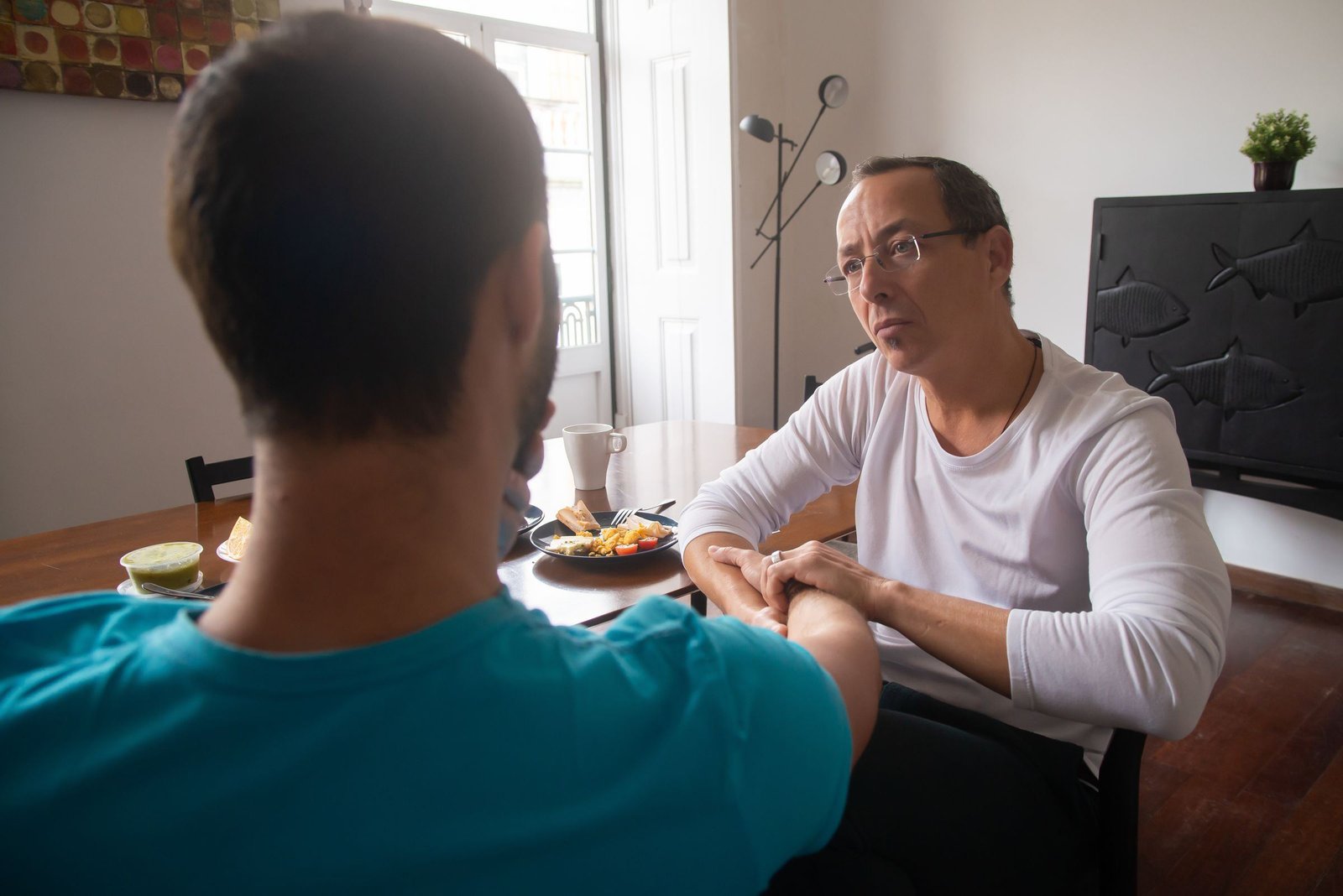
If your loved one denies stimulant addiction, stop arguing. Instead, describe what you observe. Mention specific shifts in their sleep, mood, or actions. Suggest a simple step, like a doctor's visit for a checkup. Set firm boundaries to protect your own safety.
We are an editorial team that researches public health sources for this treatment directory. We do not provide treatment. Read our family guide to stimulant addiction for extra support. It explains ways to assist someone using stimulants.
Identify a Stimulant Crisis
Put safety first, before discussing treatment. Act immediately if you see serious signs. Do not try to treat severe stimulant intoxication or psychosis at home.[1]
- Check for danger signs. Watch for trouble breathing, chest pain, seizures, high fever, severe confusion, hallucinations, or being unable to wake up.[2] These signs can mean life-threatening issues, such as overheating or heart problems.[2]
- Call 911 or go to the nearest emergency room now. Never wait for symptoms to fade or use home treatments. Acute intoxication can cause issues requiring immediate medical care.[1]
- Share what you know with responders. If you know, share the substance type, amount, and time used. Stay safe yourself while you wait for help.
If someone has thoughts of suicide or self-harm, call 911 or go to the nearest emergency room now; for suicidal thoughts, also call or text 988.[2][3] For other warning signs, read our guide to signs of a drug overdose. To learn more about how substance use can affect suicide risk and find coordinated support, read our guide on addiction and suicide risk.
Insights From a Clinical Assessment
You may be unsure if your loved one has a stimulant use disorder. A clinician looks for a pattern of symptoms. They check how these symptoms impact daily life over time. A single bad night is not enough for a diagnosis. This evaluation requires training and context. Please do not attempt to diagnose your loved one on your own.
11 symptoms
total in the DSM-5-TR criteria for stimulant use disorder[4]
12 months
is the period over which symptoms are checked[5]
2–3 symptoms
indicate mild severity; 4–5 moderate; 6 or more severe[4]
Clinicians organize symptoms into four groups. This helps them see the impact of stimulant use. The table below shows what they examine. This information helps you follow the process. It is not meant for self-diagnosis.
Severity depends on the number of symptoms over 12 months. Mild means 2–3, moderate means 4–5, and severe means 6+.[4] See our guide to the DSM-5 criteria for stimulant use for more on this evaluation.
Defining Stimulant-Related Disorders
A stimulant use disorder refers to a pattern of use causing harm. It is not the same as being high right now. It also differs from withdrawal. Recent use can cause other conditions, like anxiety, which are separate. Doctors use these terms to treat specific issues. They are not labels for you to apply after one event.
Watch for Changes but Do Not Assume They Are Proof
It is a good first step to notice behavior changes, but this is not a diagnosis. Many factors can change sleep, mood, or energy levels. Use these observations to start a gentle talk, rather than viewing them as proof of addiction.

You might notice short-term changes caused by stimulants. Signs can include being more alert or energetic, eating less, or trouble sleeping. While these effects are sometimes called a "high," describing them in neutral terms helps you focus on health rather than judgment.
Stimulant use can sometimes cause severe mental health symptoms. Stimulant-induced psychosis may include hallucinations (seeing or hearing things that are not there), delusions (strong beliefs that are not true), or intense paranoia.[6] If your loved one seems confused, sees things, or fears harm, this is a medical emergency. Call 911 or go to the nearest emergency room now.
Ways People Might Deny Addiction
When confronted about their use, people often respond with denial. This does not mean they are lying. Often, they feel defensive or scared. Having mixed feelings about changing behavior is a normal part of the process.[7]
The table below offers ways to read common comments and actions. None of these examples prove a substance use disorder exists. They are simply ideas to start a caring conversation.
| Observation or Statement | What It May Help You Notice | A Nonjudgmental Way to Raise It |
|---|---|---|
| "I can stop whenever I want." | They feel in control and may not recognize the issue yet. | “I trust you to make your own choices. I am just concerned about your recent fatigue.” |
| "I only use it to get through work." | They might be using substances to deal with stress or pressure. | “Work has been difficult recently. How are you coping with the stress?” |
| "You’re overreacting." | They may feel judged and are withdrawing from the discussion. | “I do not want an argument. I care about you and wanted to ask how you are doing.” |
| Missing deadlines or skipping events | Their duties are slipping, which can hurt their job or relationships. | “I saw you missed the meeting yesterday. Is your schedule working out okay?” |
Appearance of a Stimulant High
If you are wondering what a stimulant high looks like from the outside, it varies by person and substance. You might see someone who talks fast, moves around a lot, and seems unusually awake despite staying up all night. They could miss meals and not feel hungry. These signs alone do not confirm misuse, but they can signal that something has changed in their routine or health. See our guide on the physical effects of stimulant use for more on visible changes. If alcohol is also involved, our guide on alcohol and cocaine together explains how mixing them changes the risks. Our guide on the dangers of meth routes of use explains how smoking or injecting affects the heart and brain.
Ways to Speak With a Person Denying Addiction
Discussing stimulant use may feel risky, particularly when your loved one claims there is no problem. You do not have to win a debate about their addiction. Focus instead on specific changes you have seen and one small next step. See our guide on starting a conversation about drugs for wider communication tips.
Community Reinforcement and Family Training (CRAFT) is a family-focused approach. It teaches loved ones to change their own responses. This can improve well-being and encourage progress toward treatment.[8] You can use these principles today without a formal program.
- Pick a moment when neither of you is on stimulants, worn out, or facing immediate danger.Pick a calm, private moment. If someone is intoxicated or acting aggressively, wait until they are sober and safe.
- Focus on what you observed, rather than your interpretation of it.Describe one or two specific changes. Try: “I noticed you missed two shifts last week,” or “You’ve been sleeping very little lately.” Avoid labels like “addict” or threats like “if you don’t stop…”
- Ask an open question and listen. Ask, “What has been going on for you?” Let them speak without interrupting. Reflect back what you hear, such as, “It sounds like work has been very stressful.” This shows you are listening, not judging.
- Ask, “Is it okay if I share one thought?”Ask permission before offering ideas. If they say no, honor that and wait for another day. If they agree, give one clear choice: “Are you open to discussing sleep problems with your doctor?”
- Pause if things escalate. If voices rise or either of you feels unsafe, stop the conversation. Say: “I care about you, but I don’t want us to fight. Let’s talk again tomorrow.” Return to the topic later when both of you are calmer.
If your loved one is in immediate danger—such as showing signs of overdose, severe confusion, hallucinations, or thoughts of suicide—call 911 or go to the nearest emergency room now.
If Your Loved One Says No to Addiction Treatment
Refusal of addiction treatment by a loved one is difficult. You might feel the urge to push. Yet pressure often drives people away. Acknowledge their stance instead. Do not issue threats or demand a decision right away.

Offer a small step, like a private check-up or a call for info. You could also agree to talk next month. Keep communication open. Accept they may not be ready now. Do not agree to hide safety risks. Never handle severe intoxication at home.
Certain methods help you cope as well. CRAFT looks at your well-being, not only getting them into care.[8] You can also search for treatment options for you or them, even if they are not ready yet.
Reflection Prompts
These questions are for reflection only and do not assess or diagnose your loved one.
Keep Yourself Safe and Set Limits
You can offer support without taking responsibility for another person's choices. Both you and your loved one benefit from clear boundaries. A boundary is an action you take, not one you make them take. For instance, you could say, “I won’t lend money,” or “I’ll stop talking if voices get loud.” Our guide on setting boundaries with stimulant addict covers how to handle pushback while keeping your limits firm.
It is useful to distinguish support from taking charge. You can offer to locate an assessment or search for programs. However, you cannot control their substance use or their recovery path. Attempting to manage their use often causes burnout and resentment.
Prioritize your physical and emotional safety. Do not confront them alone if their behavior is threatening, aggressive, or unpredictable. Go to a safe location and reach out to trusted people who can assist. If you feel in immediate danger, call 911 or go to the nearest emergency room now. Our guide to living with stimulant user safety offers practical steps for protecting your home and well-being.
My Plan for Support and Safety
Use this checklist to set your limits and find your resources. Look it over often, especially after tough interactions.
My Support and Safety Plan
Your ticks are saved on this device only.
Getting support is vital for your well-being when family members face addiction. You do not have to go through this alone. Nar-Anon describes its meetings as support for family and friends impacted by another’s drug use.[9] Likewise, SMART Recovery Family & Friends provides peer support for those dealing with another person’s addictive behavior.[10] If young children are involved, our guide on explaining addiction to children offers reassurance and safety plans for the whole family.
Caring for yourself helps you stay grounded. Learn more about keeping your health in our guide to self-care for family members.
Locate Support and Choose Your Next Move
You do not need to wait for your loved one to accept treatment. Start finding help today. Various resources address different needs. Knowing who to contact saves time. It can also reduce stress.

If you see signs of immediate danger, call 911 or go to the nearest emergency room now. This includes chest pain, trouble breathing, severe agitation, or a suspected overdose. If your loved one is talking about suicide or hurting themselves, call 911 or go to the nearest emergency room now. You can also call or text 988.[3]
| Resource | Purpose | What It Does Not Provide |
|---|---|---|
| 911 or Nearest Emergency Room | Urgent medical aid for life-threatening events like overdose or serious injury. | Counseling or long-term treatment planning. |
| 988 Suicide & Crisis Lifeline | Free, confidential support by call, text, or chat for emotional distress or suicidal thoughts. Available 24/7.[3] | Medical detox or addiction treatment placement. Note: Immediate danger still requires 911 or the emergency room. |
| SAMHSA National Helpline (1-800-662-HELP) | Free, confidential information and referrals to treatment programs for substance use and mental health issues. Available 24/7.[11] | Diagnosis, clinical care, or emergency response. |
Behavioral therapies are often used to treat stimulant use disorder. Contingency management is a common approach. Experts see it as a standard of care.[1] Search our directory for programs with these services. Call a program to ask about its services, assessment process, and availability. For guidance on helping a loved one after rehab, our guide covers rebuilding trust and setting healthy boundaries.
Frequently Asked Questions
What are signs that stimulant use may be causing harm?
The term “stimulant abuse” is often used loosely for stimulant use that causes harm. Taking a prescription stimulant not as directed is misuse. Stimulant use disorder is a clinical diagnosis based on many criteria. One sign or behavior alone does not show this diagnosis.[12][4]
Tell them what you see and ask about an evaluation if you notice shifts in sleep, appetite, energy, mood, or duties. A disorder is not proven by just one change.[4]
What are examples of stimulant-related disorders?
Experts use clinical terms like stimulant use disorder, intoxication, and withdrawal.[2] Do not attempt to diagnose someone using just one symptom or remark. Let a professional handle that task.
What are the criteria for diagnosing stimulant use disorder?
What does stimulant-induced psychosis look like?
You might see hallucinations, delusions, or disorganized thinking.[6] Some stimulant-associated psychotic symptoms can persist beyond the period of acute intoxication.[13] If you see hallucinations, severe confusion, a seizure, high fever, racing heart, overdose signs, or thoughts of suicide or self-harm, call 911 or go to the nearest emergency room now; for suicidal thoughts, also call or text 988.
Can prescription stimulant misuse lead to a stimulant use disorder?
Yes. The FDA warns that misuse of these pills can cause harm and addiction.[12] While these drugs have valid medical uses, misuse is risky. Consult a doctor rather than handling meds on your own.
Can I get help if my loved one refuses treatment?
Yes. Call SAMHSA's National Helpline for free help at any time.[11] Your loved one does not need to call with you. If it is an emergency, call 911 or go to the nearest emergency room now; for suicidal thoughts, also call or text 988.