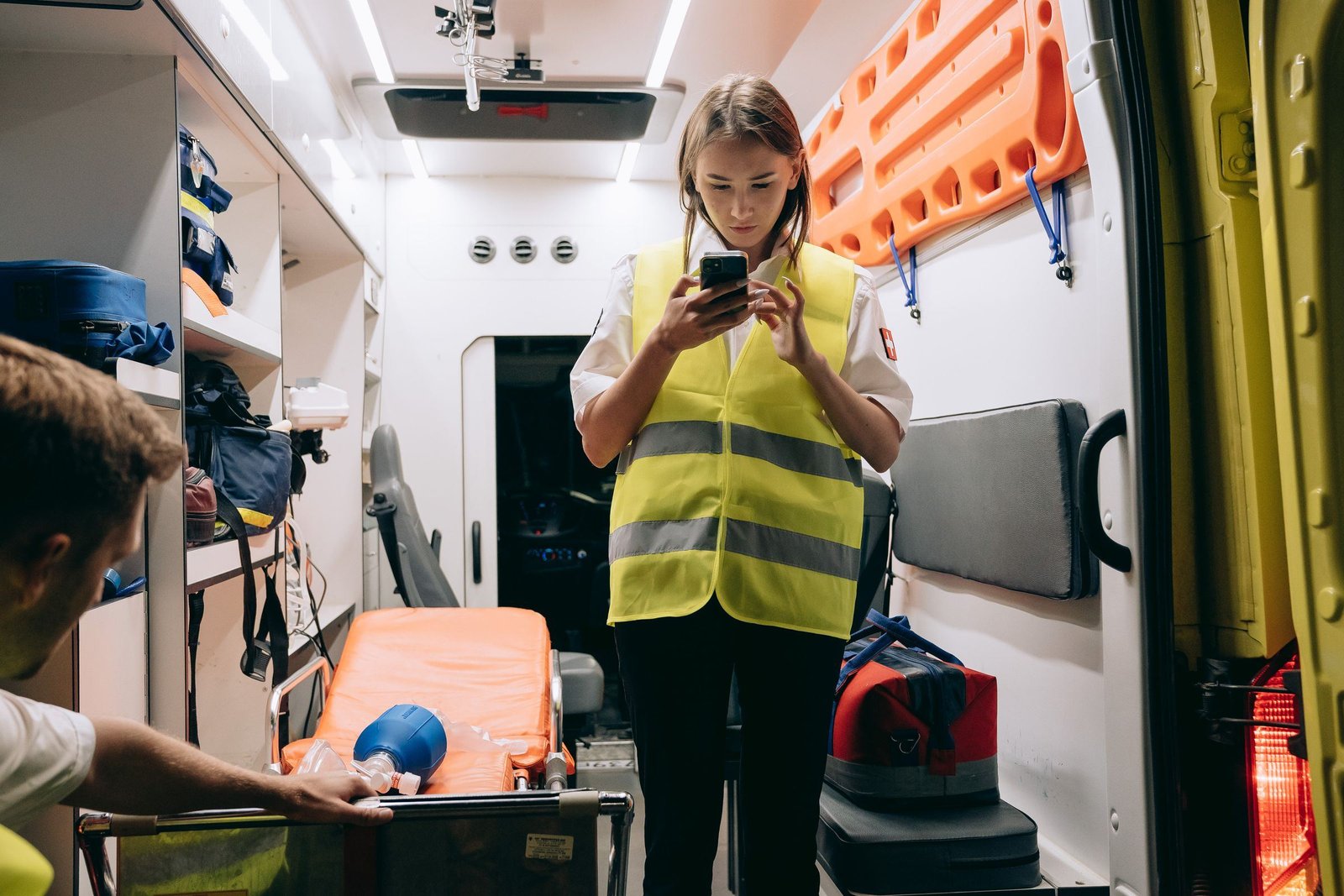
A suspected drug overdose is an emergency. If someone has trouble breathing, can't be woken up, is having a seizure, or collapses, call 911 right now. Do not wait to figure out what they took. Do not wait for more signs to appear. If you think it might be an overdose, treat it like one.
For thoughts of suicide or self-harm, call or text 988. If there is immediate physical danger, call 911.
We are a U.S. treatment directory, not a treatment provider. This guide is for information only and does not replace emergency care.
If You Suspect an Overdose, Call 911
Call 911 right away if you think someone has overdosed or is in immediate danger. Do not wait to figure out which drug caused it. Do not wait for the person to show every possible symptom. Guidance from the National Institute on Alcohol Abuse and Alcoholism says to call 911 when an alcohol overdose is suspected, even if the person does not have all the symptoms.[1]
Look for these urgent signs:
- Slow, irregular or stopped breathing
- Blue or gray lips or fingertips
- Cannot be woken up, even with loud noise or a firm shake
- Seizure or convulsions
- Collapsed or limp body
- Severe confusion or unresponsiveness
If you see any of these, call now. Tell the dispatcher where you are and what you can see. Say what happened and how long ago, if you know. Stay on the line and follow their instructions until help arrives.
Signs Can Look Different Across Drugs
Overdose looks different depending on what someone took. The signs below are common patterns, not a checklist. Someone can be overdosing without showing every sign. If you suspect an overdose, call 911 right away. Don't wait to match a full list. For details on specific substances, our guide to the dangers of K2 synthetic marijuana covers unique overdose signs and safety steps. For another specific substance, our guide to temazepam overdose symptoms details emergency response and follow-up care. For another substance, our guide to PCP effects and dangers explains the risks and what care looks like.

105,007
recorded U.S. drug overdose deaths in 2023[2]
31.3
age-adjusted rate per 100,000 standard population in 2023[2]
Opioid Overdose Signs
Opioids slow the body down. Key signs include:
- Unusual sleepiness or drowsiness
- Mental confusion or slurred speech
- Slow or shallow breathing
- Pinpoint pupils
- Slow heartbeat or low blood pressure
- Difficulty waking the person
Not everyone will show all of these. If you see any of these signs, call 911 immediately. For more detail on what to look for, see our guide on recognizing an opioid overdose.
Stimulant and Other Drug Signs
Stimulants speed the body up and can strain the heart and brain. Possible urgent signs include chest pain, overheating, severe agitation or panic, confusion, hallucinations, a fast or irregular heartbeat, seizures and jerking or rigid limbs.[3] Stimulant overdose symptoms can worsen quickly and become life-threatening.[3] Depending on the substance and how it was taken, complications may also include trauma, inhaling vomit, delirium, coma or convulsions.[4] For details on specific risks, our guide to cocaine overdose signs explains what to watch for and how to respond.
Mixed Substances
Many overdoses involve more than one substance. Mixing opioids with alcohol or other central nervous system depressants raises overdose risk and can suppress breathing.[1] Combining drugs can also produce unexpected effects like collapse, severe confusion or trouble breathing that doesn't fit one drug's usual pattern.[1][4] Treat any unresponsive person with breathing problems as an emergency. For more on how sedatives interact with other drugs, read our guide to dangerous sedative combinations and their warning signs. If you are pregnant, our guide to sedative overdose pregnancy explains what to tell emergency responders and what follow-up care may involve. For details on specific interactions, our guide to LSD and alcohol together covers driving risks and other safety concerns. Our guide to the dangers of mixing meth explains specific warning signs and what to do after combining substances.
| Substance pattern | Possible urgent signs |
|---|---|
| Opioids | Slow or shallow breathing; can't wake up; pinpoint pupils; blue or gray lips or nails[5] |
| Stimulants | Chest pain; overheating; seizures; severe agitation; fast heart rate[3] |
| Mixed substances | Breathing problems; collapse; severe confusion[1][4] |
If you're unsure whether symptoms come from an overdose or from stopping a drug suddenly, see our guide on when withdrawal needs emergency care. Either way, if someone is unresponsive or struggling to breathe, call 911 now.
What to Do While Help Is Coming
If you think someone is overdosing, act now. Do not wait to see if they get better on their own. Follow these steps while you wait for emergency help.
- Call 911. Tell the dispatcher your exact location and that you suspect a drug overdose. Put the phone on speaker so you can use your hands while you talk.
- Check breathing and responsiveness. Look for signs like slow or shallow breathing, pinpoint pupils, or difficulty waking the person.[5] If the person is not breathing normally or is unresponsive, tell the dispatcher immediately. They will guide you through any necessary steps, such as rescue breathing or CPR, based on your training and the situation.
- If they are having a seizure, clear the area of hard objects and cushion their head. Do not put anything in their mouth.
- Give naloxone if you have it. If you suspect an opioid overdose, use naloxone right away if it is available. Naloxone blocks the effects of opioids and temporarily reverses dangerous symptoms, which can help prevent death.[6] It is safe to give when an overdose is suspected, even if you are not sure which drug was taken.[6] Always follow the package directions for the specific product you have. Remember: naloxone does not replace calling 911. The person still needs emergency care.
- Do not induce vomiting. Do not make the person throw up unless a poison control center or medical professional tells you to do so.[7] Do not give them food, drink, coffee, or other substances unless a qualified professional directs you to do so.
- Stay with the person. Watch their breathing and check if they respond to your voice or touch. Keep them safe from falls or other harm until paramedics arrive.
- Share what you know. When responders arrive, tell them what drugs you think were taken, how much, and when. If there are pill bottles or packages nearby, bring them with you or leave them for the paramedics to see.
There Is No Reliable “Stage Before” an Overdose
Many people worry they missed a warning sign. The truth is, there is no reliable list of signs. You cannot wait for a specific "stage" to appear. Call for help right away if you see danger.

The signs and symptoms of a drug overdose depend on several factors. These include the kind of drugs taken, the body’s tolerance, and if other meds or alcohol were involved.[8] These factors change from person to person. Two people can react very differently to the same drug. One might seem fine, then suddenly become unresponsive. If you see signs of an overdose, act now. Do not wait to see if things get worse.
Overdose Is Not Withdrawal
Overdose and withdrawal are different conditions. Physical dependence is the body's adaptation to a substance, which can cause withdrawal symptoms when use is reduced or stopped.[9] This can happen with both prescribed and non-prescribed substances. Having withdrawal symptoms does not mean someone is overdosing. It also does not rule out an overdose if they recently used drugs. The symptoms of one do not cancel out the other.
Withdrawal can be dangerous on its own. Patients with severe or complicated alcohol withdrawal may need admission to acute general medical settings for life-saving care.[10] If you are unsure whether someone has withdrawal or an overdose, call 911. It is better to be safe. For more details on how these two experiences differ, read our guide on distinguishing withdrawal from overdose.
What Emergency Care May Involve
If you call 911 or go to the emergency room, the team’s first job is to keep the person safe. People with a substance overdose may need emergency treatment in the hospital.[11] The exact treatment depends on the drug used.[11]
Every case is different. There is no single plan that fits everyone. Each person’s body, symptoms, and history are unique.
A General Look at Emergency Care
The steps below show how care often unfolds. Timing and details vary from person to person.
Arrival and initial check
Staff check breathing, heart rate, blood pressure, and alertness. They ask what was taken, how much, and when, if anyone knows.
Stabilization and tests
The team works to keep airways open and vitals steady. Tests or treatments depend on the drug and how the person responds.
Monitoring and care
Some people need close watch for hours. Others may get specific meds or supportive care based on their condition.
Going home or staying
The choice depends on health status, not a fixed clock. Ask the team about observation time, discharge signs, and follow-up plans.
Care is tailored to each situation. So, there is no set hospital stay for overdoses. Some people go home after a short watch if they are stable and breathing well. Others need to stay for ongoing care. This is true if symptoms last or issues arise.
The best way to know what to expect is to ask the care team directly. Ask what they are watching for. Ask what signs mean it is safe to leave. Also ask about follow-up care after discharge.
After Stabilization, Consider Support for Drug Use
Once the immediate danger has passed, talking with a doctor or substance-use treatment professional can help you understand your options. Substance use disorders are chronic but treatable medical conditions.[12] Treatment approaches and levels of care vary, so ask about options that fit the person's needs and substance use history. If you are unsure whether to seek help, our drug use self test offers a starting point for recognizing potential concerns. To learn more about how professionals assess these conditions, read our guide to the drug addiction diagnosis process. Our guide to signs of drug addiction explains how to spot early changes and when to seek a professional assessment. For a broader look at recognizing a substance use problem, our guide covers warning signs and practical next steps.

To learn more about starting points, read our guides on finding medical detox care and checking quality before you enroll.
A Safer Next-Step Check
This self-check is for information only and isn't a diagnosis. If there are signs of an overdose, seizures, severe confusion, hallucinations, a high fever or racing heart during withdrawal, or thoughts of suicide or self-harm, call 911 now; call or text 988 for suicidal thoughts. Do not use a score to reassure yourself if any danger sign is present. If there are no danger signs, a doctor or substance-use assessment is the next step.
After the Emergency: Questions to Ask
Your ticks are saved on this device only.
Frequently Asked Questions
What does the emergency department do for an overdose?
The care team checks the person's vital signs and looks for signs of harm. They choose tests and treatments based on what happened and how the person is responding. A regional poison center may be contacted for specific advice on the substance involved.
How long is a hospital stay for an overdose?
There is no single answer, as the treating team decides based on the person's condition. Some substances can cause delayed effects, so monitoring may continue even after the person seems better. The length of stay depends on how quickly the body clears the substance and how stable the person remains.
Does someone have to be unconscious to be overdosing?
No. Warning signs include trouble breathing, chest pain, or seizures.[7] If you see these signs, call 911 right away instead of waiting for the person to pass out.
Can overdose symptoms return after naloxone?
Yes. Naloxone wears off faster than many opioids, so overdose symptoms can come back.[14] This means emergency help is still needed even if the person wakes up or seems fine. Stay with them until paramedics arrive and follow their instructions.
What should I do if I don’t know what substance was taken?
Call 911 immediately if there are emergency signs. Do not wait to figure out what was taken before calling for help. If you can do so safely, save any packaging or containers to show responders or poison control experts later.