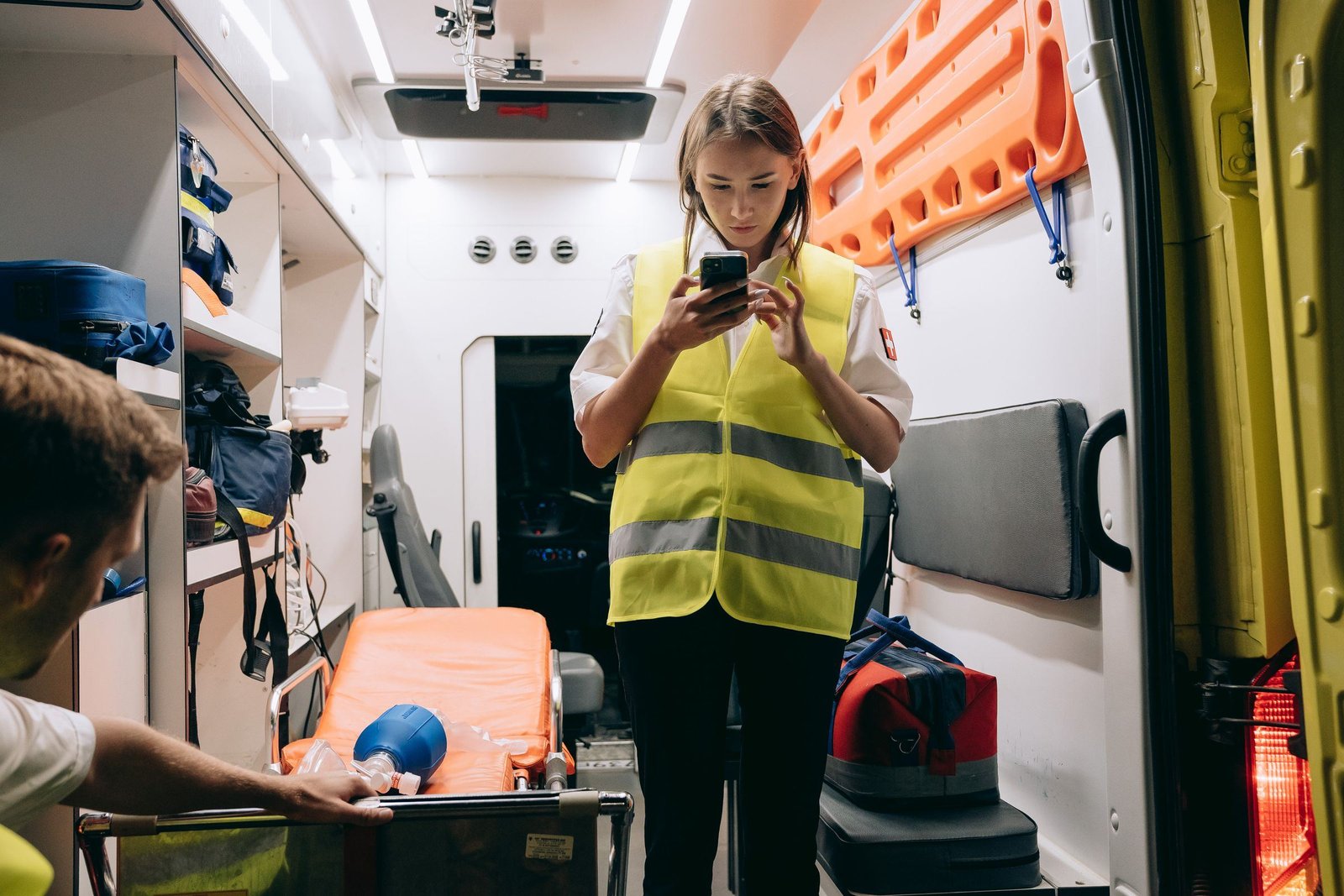

If you think someone may have taken too many benzodiazepines, call 911 or go to the nearest emergency room now. Do not wait to be sure. Signs can be hard to wake, confusion, or slow breathing. If someone has thoughts of self-harm, call 911 or go to the nearest emergency room now. Also call or text 988.
This guide is for US readers and their families. We list treatment centers but are not a provider. We do not claim medical review.
Actions to Take Immediately
If you think someone has taken too many benzodiazepines or other sedatives and shows danger signs—such as being unresponsive, having trouble breathing, or being difficult to wake—treat it as an emergency. Call 911 or go to the nearest emergency room now. Do not wait to see if they wake up. Do not try to figure out exactly what they took or how much.
Call Poison Help at 1-800-222-1222 for advice if you suspect exposure but the person is awake, breathing well, and shows no danger signs.[1]
- Call 911 immediately. If the person is unresponsive or having trouble breathing, call 911 right away. If you are alone and cannot call, alert someone nearby to help you call or get help while you stay with the person. Do what the dispatcher tells you to do.
- Follow dispatcher instructions. Stay on the line with 911. Start CPR if trained and use an AED if present, as directed. Turn an unconscious but breathing person onto their side, unless injury makes moving them unsafe.
- Tell responders about substances, timing, and symptoms when they arrive.Tell responders what you know. See our guide on steps to take during an overdose for tips on helping a loved one in this critical moment.
If opioids may be involved, give naloxone if you have it and follow the product instructions. Naloxone reverses opioid effects but does not reverse benzodiazepine effects.[2] Never delay calling 911 or going to the nearest emergency room now to find or administer naloxone.
Details to Share With Responders
Your ticks are saved on this device only.
Gathering these details must not delay calling 911 or going to the nearest emergency room now. Place the call first. While waiting for help, gather any details you can.
Recognize the Signs of a Sedative Overdose
Watch how someone acts and breathes if you think they took too much sedative. You can get help without knowing what they took. Signs of benzodiazepine toxicity are extreme drowsiness, confusion, slurred speech, and clumsy movement.[3]

Some signs mean this is an emergency.Call 911 or go to the nearest emergency room now if the person cannot be woken up. Call also if they breathe slowly or not at all.
| Signs a Bystander May Notice | What Makes It an Emergency |
|---|---|
| Extreme sleepiness or drowsiness[3] | The person cannot be woken up. |
| Confusion or disorientation[3] | They collapse or lose responsiveness. |
| Slurred speech[3] | Breathing is shallow, very slow, or has stopped.[4] |
If you see any emergency sign listed above, call 911 or go to the nearest emergency room now. Do not wait for more symptoms. For more details on how to spot an overdose regardless of the substance involved, read our guide on general overdose emergency signs.
Understanding the scale of these events helps highlight the risk. Still, these figures cannot predict what happens to any one person.
Understanding what these figures mean is important. If a drug is involved in a death, it does not necessarily mean it was the only substance taken. It also does not mean it was the sole cause of death. Mixing benzodiazepines with other central nervous system depressants, such as alcohol or opioids, is especially dangerous.[4] For details on another common combination, our guide to alcohol and cocaine together explains the specific risks of this pairing. For more on the specific dangers mentioned, our guide to benzodiazepines and opioids together explains why this combination is so risky. Our guide to valium and alcohol together explains why you cannot sober up fast and what to watch for. For another risky pairing, our guide to lsd and alcohol together covers driving concerns and other drug interactions. If you suspect a stimulant issue, our guide to cocaine overdose signs outlines the symptoms and emergency steps to take.
Substance Mixes That Increase Danger
Mixing benzodiazepines with other substances that slow the body down raises the risk of an overdose. This holds true even if the person looks okay at first. Do not wait for symptoms to worsen if you think sedatives or depressants were combined. Call 911 or go to the nearest emergency room now.
The table lists common combinations and why they are risky. It is not a complete list. Someone may have taken unknown substances. They might have mixed street drugs with prescription drugs. Tell emergency responders everything you think was taken.
| Combination | Added Concern | What to Do |
|---|---|---|
| Benzodiazepines + Opioids | The FDA warns that combining these can cause profound sedation, slowed breathing, coma, and death.[5] | Treat this as an emergency. Call 911 or go to the nearest emergency room now, even before severe symptoms appear. |
| Benzodiazepines + Alcohol | Benzodiazepines' sedative effects grow stronger with alcohol. Balance and reaction time issues also get worse.[6] | Treat this as an emergency. Call 911 or go to the nearest emergency room now if breathing is slow or the person is hard to wake. |
| Benzodiazepines + Other Sedating Medicines | Benzodiazepines mixed with other central nervous system depressants can raise sedation and breathing depression.[7] This lists sleep aids, other prescription sedatives, and some pain relievers. | Treat this as an emergency. Call 911 or go to the nearest emergency room now if you are unsure how much was taken or what else was used. |
Keep in mind that using several substances is worrying but does not prove one caused the result. Since these mixes can stop breathing fast, acting quickly is safer than guessing the drug.
High-risk sedative mixes often include more than just opioids and alcohol. Other drowsy medicines can add to the risk. If you are worried about opioid and benzodiazepine overdose risks, call 911 or go to the nearest emergency room now rather than waiting to see if naloxone works or if the person wakes up on their own.
How Opioid Overdose Can Look Different
It can be hard to tell a benzodiazepine overdose from an opioid overdose just by looking at someone. Each drug slows body functions. Signs of overmedication, which may progress to overdose, include slow or shallow breathing and difficulty waking the person from sleep.[8]

Very small pupils may appear with opioids. Someone on benzodiazepines may look very sleepy, confused, or uncoordinated. Signs often look the same. People often take both drugs, or pills with mixed ingredients. You cannot use symptoms alone to identify the drug.
Give naloxone if you think opioids are involved and have it.Because the risks are serious, treat any suspected sedative overdose as an emergency. Do not wait for tiny pupils or proof. Giving naloxone when unsure is safe.Always call 911 or go to the nearest emergency room now after using it.
Bystander Checklist
Your ticks are saved on this device only.
Read our guide on recognizing an opioid overdose to learn how to recognize and handle opioid emergencies. For details on how misuse affects the body, see our guide to the dangers of snorting tramadol and its physical risks. For another substance with unpredictable effects, our guide to the dangers of K2 synthetic marijuana covers overdose signs and safety steps. If you are concerned about combining medications with drinks, our guide to tramadol and alcohol interaction explains the risks involved. For information on stimulant combinations, our guide to the dangers of mixing meth covers warning signs and safety steps.
When Sedative Overdose Can Be Fatal
A benzodiazepine overdose can be fatal. The risk goes up if other central nervous system depressants are also taken.[9]
Act quickly if you suspect an overdose. It can be life-threatening.Call 911 or go to the nearest emergency room now. Wait for symptoms to worsen is not safe.
Read drug death stats with care. Many overdose deaths involve more than one drug. Tests may find multiple substances in the body. That reveals what was there when the person died. It does not prove that one drug alone caused the death.
Things like health conditions and timing also play a role. Because of this, looking at raw death counts can be misleading. It is not a simple way to rank which drug is the most dangerous.
Rates for a population show wide trends across many people. They do not show the risk for one single event. Any suspected benzodiazepine overdose needs immediate medical care, no matter what the statistics say.
Steps Emergency Clinicians Might Take
At the hospital, your care team reviews your breathing and alertness. They also check for other substances. Benzodiazepine overdose treatment is not one-size-fits-all. Based on your condition and vital signs, doctors select your care.

Most often, emergency care focuses on keeping you safe. Supportive care is the name for this approach. If needed, it may include help with breathing. Staff closely track your oxygen levels, blood pressure, and heart rate.[10] Doctors watch you even more closely if you used alcohol or other drugs. These mixes can be deadly.[10]
You may hear about flumazenil. This medicine can reverse benzodiazepine effects. It is not used in every case. Flumazenil supports standard care; it does not replace it.[10] Clinicians may consider it in specific situations. For example, if a patient is not physically dependent on benzodiazepines and has not taken other interacting drugs. It is often avoided if you take benzodiazepines regularly or mixed a large amount of other drugs. In those cases, flumazenil can cause seizures.[11] Also, flumazenil does not reverse opioid or alcohol effects.[12] Clinicians decide if it is appropriate for mixed-substance exposures. A doctor must decide if it is safe for you due to these risks. Never try to find or give this medicine yourself.
Do not wait until symptoms get worse.If you suspect an overdose right now, call 911 or go to the nearest emergency room immediately.
| Type of Care | What It Means | Who Decides |
|---|---|---|
| Supportive Care | Monitoring breathing, pulse, and blood pressure; supporting airway if needed.[10] | Emergency clinicians based on your present status. |
| Flumazenil | A reversal agent added to standard care, not replacing it.[10] It Has risks like seizures for some patients.[11] | A clinician checks if it suits your specific situation. Bystanders must never give it. |
See our FAQ below for questions on tests like ECGs or treatments like dialysis.
Dosage Queries and Drug Identification
A lot of people look for an exact figure. They ask, "how many Xanax is safe per day." Others look for a benzodiazepine toxicity dose that guarantees safety.
No single pill count is safe for everyone. Your safety depends on body weight, other medications, and other substances. These vary greatly, so you cannot calculate your way out of risk. Our guide to sedative overdose elderly explains specific risks and emergency steps for older adults. If you are pregnant, our guide to sedative overdose pregnancy details what to tell EMS and follow-up care. For specific details on this medication, our guide to temazepam overdose symptoms covers emergency response and follow-up care.
Do not guess if the amount was toxic when you suspect an overdose. Handle it as an emergency. Call 911 or go to the nearest emergency room now.
Stick to the amount listed on your prescription label. A prescriber set that amount. They know your health history. Do not adjust your dose because of advice from online strangers.
Trying to identify an unknown pill carries risks, too. People often ask, "what is the street name for lorazepam." They hope to match slang terms to a specific drug.
Brand and street names are not reliable for pill identification. Fake pills often look like real ones but have different ingredients. Check the original packaging first if you find an unmarked pill. Ask a pharmacist or clinician for help when it is safe to do so. Our guide on fentanyl contaminated benzos explains how these hidden risks affect overdose potential. For details on another common combination, our guide to fentanyl and cocaine together explains the specific overdose signs to watch for. For another dangerous mix, our guide to cocaine and heroin together explains the supply risks and warning signs.
If you worry about how much someone is taking, watch their behavior instead of counting pills. Read more about signs of sedative misuse in our related guide. Learning about benzodiazepine addiction signs can also help you spot unsafe use before an overdose happens.
Moving Past the Immediate Crisis
After the immediate danger passes, focus on proper follow-up care. A quiz score cannot rule out an overdose or replace an emergency evaluation. Treat it as an emergency if you are unsure.

Choose the Next Safe Step
This self-check helps you pick a next step. It is not a diagnosis. The danger-sign rule below overrides every score. No result can reassure someone who reports a danger sign.
Steps in Follow-Up Care
Care is different for everyone. This timeline shows a usual path, but it is not a home-treatment plan. Timing and needs vary by person.
Emergency assessment
Doctors check vital signs and may test to see how much medicine remains in the body.
Clinician-directed care
Medical staff can handle symptoms safely if it is needed. They will also explain the dangers of stopping suddenly.[13]
Discharge planning
You go home with clear directions on what to watch and when to return.
Talk to a clinician before changing your benzodiazepine use if you take them often. Physical dependence can happen even with prescribed use. Stopping too fast can cause serious withdrawal.[13] Our guide on seeking help for sedative use shows how to begin that talk. If you are unsure how to bring up other substances, our guide on talking to doctor about mixing meds offers helpful scripts. When you are ready to clear out old prescriptions, our guide on how to dispose of unused prescription medication covers safe options.
Frequently Asked Questions
Can this kind of sedative overdose be fatal?
Yes, a suspected benzodiazepine overdose can be life-threatening. If you think an overdose has happened, call 911 or go to the nearest emergency room now. Do not wait for symptoms to worsen. Never guess the risk based on how a pill looks or its street name. This is especially true if the contents are uncertain.
Is flumazenil used for benzodiazepine poisoning, and what dose should a bystander give?
Clinicians direct flumazenil use in specific cases. It is not a universal antidote or for bystanders. Do not try to give it or use online doses. Emergency clinicians decide the right care for each person.
Is there a benzodiazepine toxicity dose or a safe daily amount of Xanax?
No universal safe pill count exists for one person. Dose, frequency, formulation, and stay of treatment vary by patient, condition, and medicine.[14] Take your prescription exactly as written. Do not use a dose limit to decide if you need help. If an overdose may have occurred, call 911 or go to the nearest emergency room now.
How does this differ from an opioid overdose, and will naloxone help?
Some signs overlap, and the person may have taken both types of drug. Naloxone does not reverse benzodiazepine effects, although it may reverse opioid effects when opioids are involved.[2] Call 911 or go to the nearest emergency room now rather than waiting to identify the substance. Naloxone may help if opioids are present, but it does not replace emergency care.
What drug has the highest overdose death rate, and which drugs can cause sudden death?
No single drug causes the most deaths everywhere. Risk depends on the substance, circumstances, and other drugs. Several drug types can cause fatal poisoning. For example, combining benzodiazepines with opioids, alcohol, or other central nervous system depressants can cause profound sedation, respiratory depression, coma, and death.[5][6] Any suspected overdose can be life-threatening, so call 911 or go to the nearest emergency room now. Flumazenil does not reverse opioid effects in a mixed-substance exposure.[12]
What is the street name, if any, for lorazepam?
Lorazepam lacks a single standard street name. Slang varies too much to identify a pill. Check the package or ask a pharmacist or clinician if safe. Lorazepam is the generic name; Ativan is a U.S. brand name.[15]
Do clinicians use an ECG or dialysis after sedative poisoning?
Whether to do an ECG or other tests depends on the patient's state and possible other substances. Neither is a universal bystander step. Dialysis is not a standard first-response or home treatment. Emergency clinicians determine if testing or treatment is needed for each case.