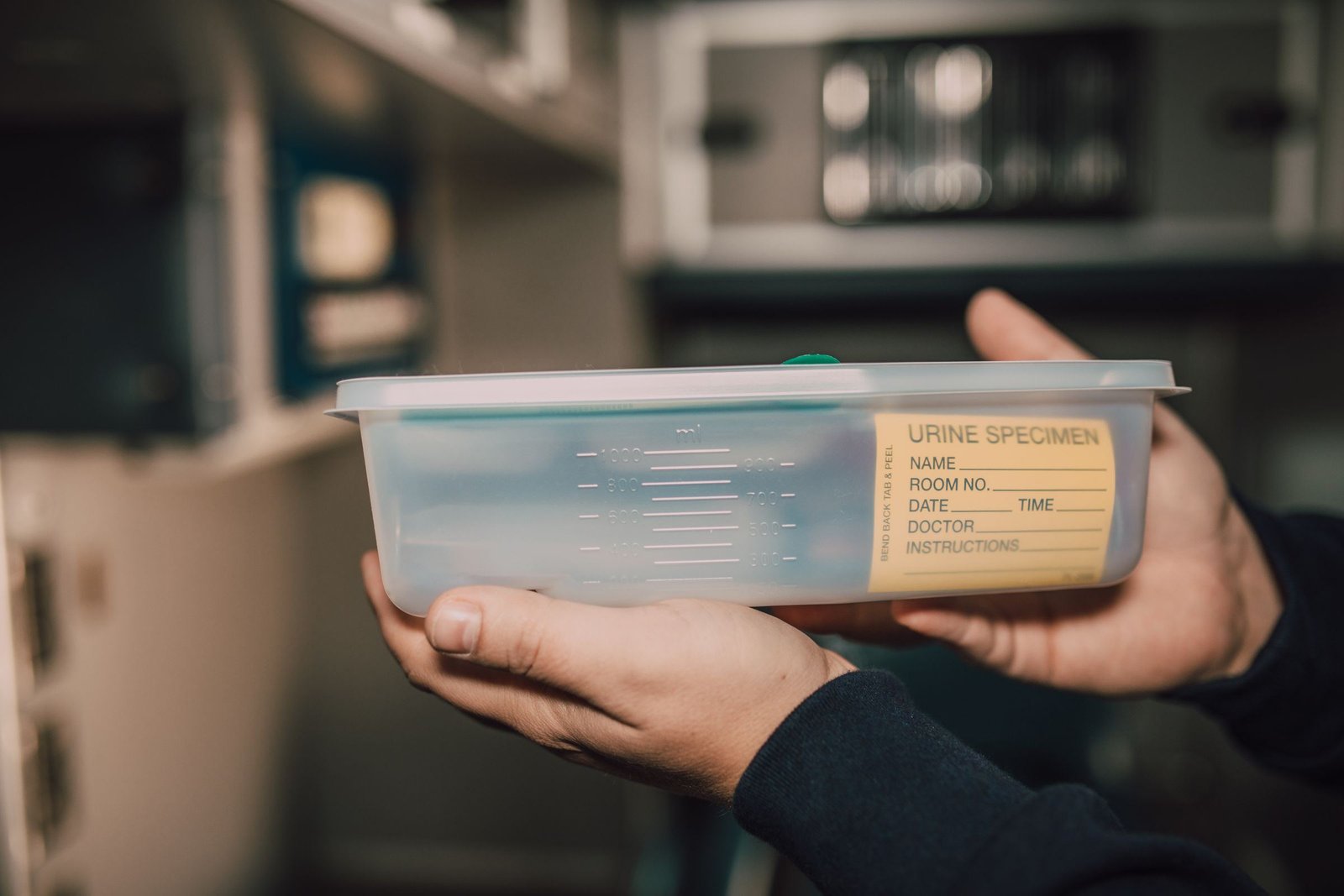

If you are asking how long does heroin stay in your system, it is generally detectable for about 1 to 3 days in urine. In blood, it stays for only hours. These figures are estimates, not guarantees. Other factors matter, like the specimen, test method, and cutoff levels.
We are a U.S. treatment directory and publisher, not a treatment provider. This guide is for informational purposes only.
If you have naloxone, use it.If someone is unresponsive or has slow, absent, or abnormal breathing, call 911 or go to the nearest emergency room now. Do what the product instructions or your training say. Follow the guidance given by the dispatcher.
What Heroin Tests Show (and Don't)
Heroin clears from the blood quickly. However, traces can be found in different body samples for varying periods. A test indicates if a substance or its byproducts were in a sample at a certain time. It does not confirm current impairment, safety, or withdrawal status.[1]
Results differ greatly. This relies on the test method, cutoff level, sample type, and personal factors like metabolism and hydration.[1] Heroin breaks down fast, so tests often check for 6-acetylmorphine (6-AM). This unique metabolite confirms heroin use, not just morphine.[1]
Minutes to hours
blood detection window[1]
1–3 days
urine detection window for most substances[1]
~3 months
head hair detection window[1]
General detection windows appear in the table below. Treat these as estimates. They are not guarantees for any specific person.
| Sample Type | Approximate Window | What Testing May Detect | Main Limitation |
|---|---|---|---|
| Urine | 1–3 days[1] | Heroin metabolites like 6-AM and morphine[1] | How much fluid you drink and urinary pH influence this[1] |
| Blood | Minutes to hours[1] | Heroin and 6-AM[1] | The window is very short; collection must happen right away[1] |
| Hair | Up to 90 days[1] | Metabolites become part of the hair shaft[1] | Cannot detect recent use or impairment; timing depends on growth rate[1] |
If you are concerned about symptoms or safety now, focus on how you feel instead of test windows. If you have signs of an overdose or severe withdrawal, call 911 or go to the nearest emergency room now. To learn about managing withdrawal safely, read more about how long does opioid detox last or check the general drug withdrawal timeline.
Heroin Detection in Urine: How Long?
The answer to how long can heroin be detected in urine is a range, not a set time. Most urine tests look for morphine, which comes from breaking down heroin. Many things change this, like dose, how often you used it, body size, water intake, and kidney health. Since everyone is different, a general window cannot guess your exact result.
The body breaks down heroin itself very fast. Once that brief time passes, most standard panels find morphine. But they cannot say if it came from heroin, codeine, or prescription morphine.[1] Labs need an extra test for 6-AM to spot heroin specifically.[1]
The kind of test panel also counts. Certain workplace or court-ordered screens only look for total opiates, meaning morphine and codeine. If you are concerned about a specific test, ask the lab or employer what the panel checks for.
Blood Tests: How Long Is Heroin Detectable?
Heroin and its metabolites are what blood tests look for. This approach usually detects use within a very short window. Often, that window is just a few hours after use. Since it is brief, a negative result does not mean you have not used recently.
The body processes heroin rapidly. Labs may check for the parent drug or specific metabolites like 6-acetylmorphine or morphine. These substances do not remain in the blood for equal amounts of time. Therefore, the specific test used matters.
A blood test reflects what was in your system at the time of collection. It cannot specify when you used or the amount taken. Metabolism differs by person, so concentrations vary widely.[1] Therefore, one number cannot prove current impairment or identify the exact time of use.
Detecting Heroin in Hair Samples
Hair tests reveal past exposure, not if you are currently impaired. They cannot show current intoxication. A recent use may not show up right away in the tested hair. Cosmetic steps like dyeing can also change results.
Exposure
As hair grows, drug metabolites from your blood get trapped in the follicle.
Collection and analysis
A lab cuts a segment of hair and tests it to look for traces of drugs over that period.
This timeline is only for illustration. Timing varies by person. Hair tests cannot give an exact use date or show current impairment. Talk to a doctor or licensed counselor if you have worries about health or test results.
Reasons a Test Result Might Be Unclear
Drug test results can cause confusion. It is useful to know what the test finds and what it misses.
Start by learning how screening and confirmation differ. A first drug-screening immunoassay is presumptive, so it hints at a result without proving it.[1] Methods like mass spectrometry may verify that finding.[1] Screening tests differ. Some spot a whole drug class, while others have assays for specific opioids. Screening results are generally qualitative and do not show dose or impairment. Ask the testing professional what substances the panel checks and if confirmation is needed. For this reason, a negative screening result does not always prove no exposure happened. A qualified professional alone can interpret these results within context.
It is also important to separate detection from physical effects. How long a drug is detectable differs from how long you feel impaired or withdrawal lasts. If symptoms or safety worry you, focus on your current feelings instead of just the test window.
What Is the Safest Next Step?
This self-check is for information only and isn't a diagnosis. It cannot determine exposure, impairment, or safety. Any danger sign overrides every result.
Overdose or Drugging: What to Watch For
Act immediately if you believe someone has taken too much heroin. Do not wait for a drug test. Do not wait until all signs appear.

Possible Opioid Overdose
Key signs of an opioid overdose include being unable to wake up.[2] Breathing may be slow, shallow, or difficult.[2] You might hear strange snoring or gurgling sounds. If these signs are present, treat it as an emergency.
- Call 911 or go to the nearest emergency room now. Explain to the dispatcher what you witnessed. Say you suspect an opioid overdose.
- Give naloxone if you have it. Use the product exactly as its instructions or your training say. Its effects are brief and may fade before the opioid's effects end.[3]
- Stay with the person and follow dispatcher guidance. Naloxone is a temporary treatment, so repeat doses may be needed.[2] Emergency services must still be called.[2] Check their breathing until help arrives.
Knowing the difference between withdrawal and an overdose helps you react correctly. Read more about opioid withdrawal vs overdose to understand how symptoms differ. For a fuller list of danger signs and first-response steps, see our guide on recognizing an opioid overdose.
Suspected Drugging: Immediate Steps
Put their safety and health first if you think someone was drugged without knowing. If you can, take them to a safe spot with a trusted person. Get medical care quickly so clinicians can check symptoms and give support.
Testing after a suspected drugging may not catch every substance. Timing and specimen type depend on what was likely taken. Do not put off care while waiting for results or worrying about specific drugs appearing on a screen.
If the person has trouble breathing, is unconscious, or shows other serious symptoms, call 911 or go to the nearest emergency room now. For general context on physical and behavioral changes that may signal ongoing use, learn about signs someone is using opioids.
Meaning Behind “Opioid Belly”
You may hear people use the phrase “opioid belly” to describe stomach pain, bloating or other digestive issues. This is not a medical diagnosis. It is just an informal way some discuss abdominal discomfort.
Constipation is a common reason for this feeling. Opioids like heroin can slow the gut. This makes passing stool hard and can cause swelling or pain. Yet, other issues like infections, food intolerances, or health conditions can cause similar symptoms.
It is important not to assume that a drug test result explains your physical symptoms. A positive test shows that a substance or its byproducts were present in the sample; it does not identify the cause of symptoms or necessarily show when use occurred.[1] If you have persistent or worrying abdominal symptoms, please talk with a doctor or licensed health professional. They can examine you and find the real cause.
If you have severe abdominal pain, repeated vomiting, or significant abdominal swelling, call 911 or go to the nearest emergency room now.
You can read more about physical signs of opioid use disorder if you worry about how opioids affect your body. Always get professional care for new or worsening health problems.
Ask Questions and Get Support
Do you have questions about a heroin test? Ask the clinician or testing professional these items. Clear answers help you understand the result.

Questions to Ask About a Heroin Test
Your ticks are saved on this device only.
Take action immediately if you see danger signs. These include trouble breathing, severe confusion, or signs of an overdose. Call 911 or go to the nearest emergency room now.
Are you worried about your use or another person's? Support exists. Care for substance use disorders is individualized. It may combine behavioral therapies and medication.[4] Find out more about an opioid use disorder assessment.
The SAMHSA National Helpline gives free, private treatment referrals. It operates 24 hours a day.[5]
Frequently Asked Questions
Why might a heroin test be negative after recent use?
A negative result does not always prove no exposure. Heroin leaves the body fast, so timing is critical. The test type, specimen, and cutoff levels all shape the outcome. Ask what test was run and if it sought the correct breakdown products. Never rely on a test result to decide if someone is safe or impaired.
What drug stays in your system the longest?
No single answer fits every case. How long a substance is detected relies on the method and specimen, like urine or hair.[1] Drugs act differently in each body fluid, making direct comparisons tough. Look at the specific heroin estimates here, not general lists.
How long do opioids show in a urine test?
No one window fits all opioids. Urine detection for many substances usually lasts 1 to 3 days. It may go up to 4 days due to factors like fluid intake.[1] Your metabolism, the opioid type, and the testing method all affect how long it stays detectable.
How is heroin excreted from the body?
Heroin quickly changes into metabolites. Tests often check for these instead of the drug itself. Urine removes most of these substances. Since this varies by person, there is no exact time when you are fully clear. Clearance rates differ because each opioid uses unique metabolic processes and elimination pathways.
What should I do if I think someone may have drugged me?
Move to a safe place with a trusted person right now. Get medical care immediately. Tell the clinician what you recall and when it occurred. Do not wait for a test result to ask for help. If there is immediate danger or serious symptoms, call 911 or go to the nearest emergency room now.
What does “opioid belly” mean, and when should symptoms be checked?
The informal term “Opioid belly” may describe digestive issues like bloating or constipation. It does not name a specific cause or diagnosis. Speak with a health professional if symptoms persist or worry you. Severe pain, vomiting, or significant swelling requires prompt medical attention.