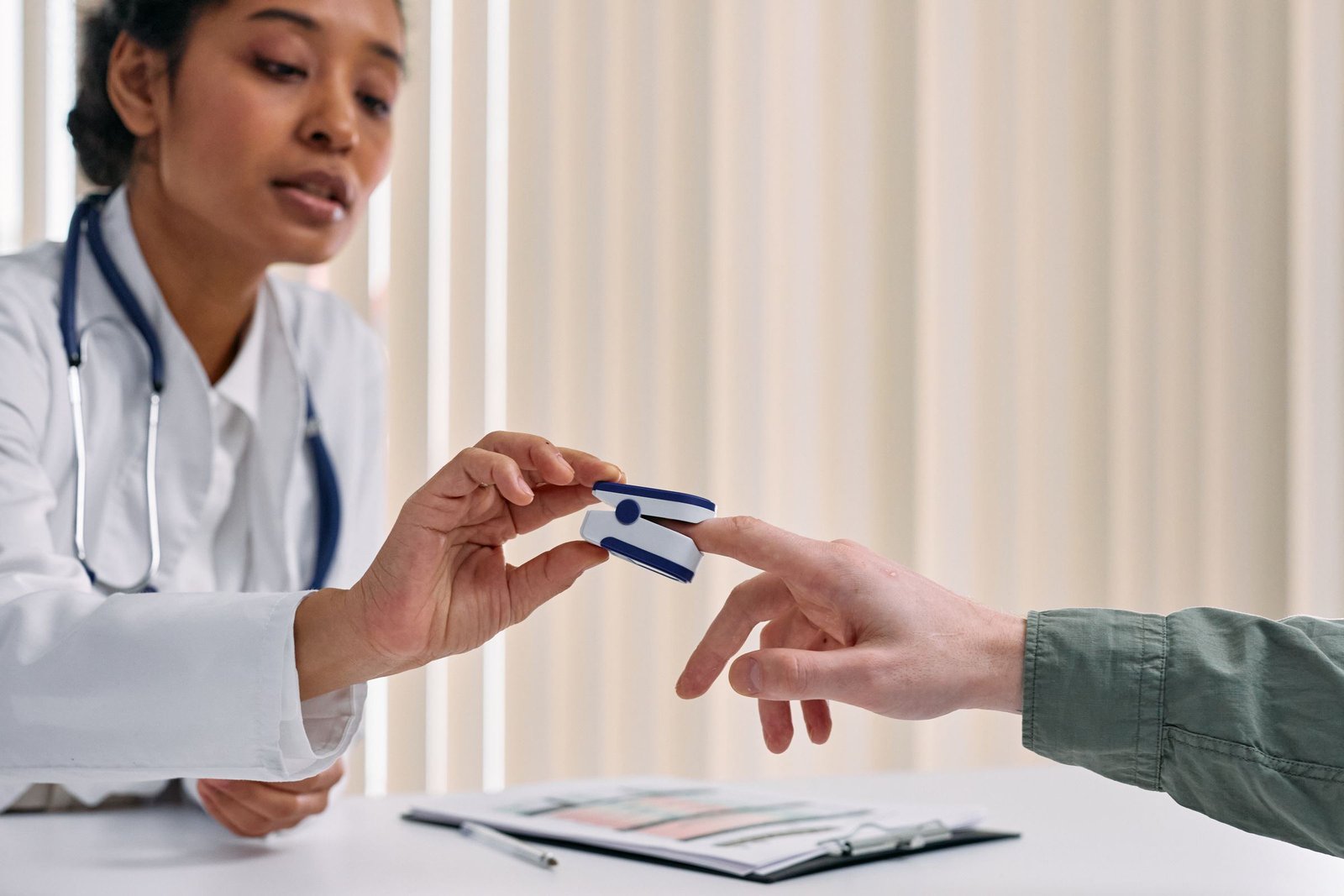

Signs like small pupils, itching, nausea, constipation, and odd drowsiness can occur. Sleep and appetite may shift. These vary by person and may have other causes. Thus, they cannot diagnose opioid use disorder (OUD) alone.
See the whole picture if you spot these changes in yourself or others. Consult a doctor. Our guide on signs of opioid addiction details more warning signs.
If someone cannot be woken up, call 911 right away. Take action if breathing is very slow or absent. Use naloxone if you have it.
We publish a U.S. treatment directory and are not a treatment provider. This guide is for education only. It does not offer a diagnosis.
Visible Physical Changes To Watch For
You might notice physical changes if you worry about opioid use. You may see them in yourself or others. These signs vary widely. None prove a person has opioid use disorder (OUD). Many have other common causes.
Opioid use can lead to certain physical changes. Here are some that appear sometimes:
- Sleepiness or drowsiness that seems unusual
- Pupils that are small or constricted
- Skin itching
- Feeling nauseous
- Having constipation
- Shifts in sleep, appetite, energy, or overall health
Some signs show up during or right after opioid use. For instance, nausea may occur when starting opioids or later in treatment.[1] Itching is also a common result of opioid exposure.[2]
Some other changes may last. Weight loss, fatigue, or poor hygiene can develop over time. Stress, lifestyle shifts, or other health issues may cause this. These are not unique to opioids. A person with a cold might have small pupils from certain eye drops. Constant itching could happen if someone has allergies. A busy parent might feel exhausted and eat poorly.
Similar symptoms can come from many different conditions. So it is important not to jump to conclusions based on appearance alone. Judging a person by their looks can hurt trust. It can make it harder for them to seek help if they need it.
Rather than confronting them about looks, describe what you saw and when it happened. You might say, "I’ve noticed you seem really tired lately." Or you could say, "You mentioned feeling sick after dinner a few times this week." This approach opens a door for conversation without making accusations.
If you notice these changes in yourself, write down what you see and when. This record helps when speaking with a doctor or therapist. They can help determine if changes relate to medication, another medical condition, or something else. Only a qualified professional can diagnose OUD through a comprehensive evaluation including medical history and behavioral factors.
Why Physical Signs Alone Do Not Confirm OUD
You may spot physical changes in yourself or a loved one. Yet how someone looks cannot prove opioid use or opioid use disorder (OUD). Similar signs can come from prescription medication effects, other health conditions, or being tired or stressed. Since signs overlap, one sign alone does not show the full picture.

Diagnosis reviews behavior patterns and how they affect daily life, not just looks. The American Society of Addiction Medicine says classic physical signs are not always clear. It may take time and follow-up visits to see if a person has OUD.[3]
The DSM-5-TR provides the clinical standard for diagnosing OUD. It lists 11 possible criteria. A diagnosis needs at least 2 of these within a 12-month period.[3] Severity is rated by the count: mild (2–3), moderate (4–5), or severe (6 or more).[4]
11
possible diagnostic criteria for OUD[3]
2
criteria needed within 12 months for a diagnosis[3]
2–3 / 4–5 / 6+
criteria for mild / moderate / severe severity[4]
Only a qualified clinician can diagnose OUD. They look at the whole picture, like how substance use affects health, work, and relationships. If you worry about yourself or someone else, talk to a doctor or licensed professional. Do not rely on visible signs alone.
Ongoing Changes, Opioid Effects, Withdrawal, and Overdose
Sorting what you notice into four categories can help. Some signs appear gradually over time.Others show up right after taking an opioid, when a person cuts back or stops, or in a life-threatening overdose. The table below outlines the differences and actions for each group.
| What you may notice | When it may occur | Example signs | What to do next |
|---|---|---|---|
| Ongoing or nonspecific changes | Over weeks or months | Losing weight, skin issues, constipation, falling asleep often | See a doctor for a complete exam; these do not confirm opioid use disorder alone |
| Acute opioid effects | Shortly after taking an opioid | Tiny pupils, feeling sleepy, nausea | Watch closely; if breathing becomes very slow, irregular, or stops, or the person cannot be woken, call 911 immediately |
| Withdrawal | Once you reduce or stop using opioids | Body aches, sweating, belly pain, loose stools[5] | Get help from a clinician; read our guide on opioid withdrawal symptoms for more info |
| Possible overdose | Any time after opioid use, especially with high doses or mixed substances | Hard to wake; breathing is very slow, irregular or stopped; deep sleepiness[6] | Call 911 right away; give naloxone if you have it and stay with the person until help arrives[6] |
Withdrawal is very uncomfortable but usually not life-threatening on its own.[5] An overdose is different. Breathing may cease in just a few minutes. If you think someone is overdosing, call 911 immediately. Use naloxone if you have it. Because naloxone fades fast, emergency care is always required, even if it works.[7]
Learn more about distinguishing these cases in our guide on the difference between withdrawal and overdose.
How Clinicians Evaluate Opioid Use Disorder
Noticing physical changes in yourself or a loved one? Often, the next step is talking to a doctor. Diagnosing opioid use disorder does not depend on one physical sign or test for a clinician. Rather, they consider the entire situation. This covers how opioid use impacts daily life, relationships, and general health.

For example, withdrawal symptoms are part of the assessment only if they cause significant distress or problems in daily functioning.[8] Clinicians also check to make sure these symptoms aren't caused by another medical condition or different substance.[8]
The following steps show what this visit usually involves. This order is just an example, not a rigid checklist.
- Share your observations. Share what you have seen with the clinician. Give specifics about mood shifts, physical changes, or behaviors. If you are concerned about yourself, speak honestly about your use. There is no judgment here, only a wish to help.
- Discuss opioid use and its effects. The clinician will ask questions about how much opioids are used, how often, and for how long. They will also ask about attempts to cut down or stop. They want to know if use is interfering with work, school, family responsibilities, or hobbies.
- Review health history and physical health. The clinician reviews your medical history and might do a physical exam. They need to rule out other causes for pain, sweating, or nausea. They also check for injuries or infections that need their own care.
- Ask about next steps. Lastly, have the clinician share their findings and recommendations. This might include referrals to specialists, counseling options, or medication-assisted treatment plans. Keep asking questions until the next steps are clear to you.
No single scan or blood test can diagnose opioid use disorder alone. The diagnosis mixes physical signs with the story of how substance use affects life. If you are nervous about going alone, bring a trusted family member or friend for support.
Things That May Increase Your Risk
One thing alone does not cause opioid use disorder. Many parts can play a role. If you have risk factors, it does not mean you will get the condition.
Research shows some factors connect to a higher chance. One of the strongest is a history of substance use problems.[7] Mental health conditions, such as anxiety or depression, are also often factors. Past trauma is sometimes mentioned as well.
How much opioid medicine you take also matters.Higher doses raise the risk of overdose or death from overdose. This risk continues during treatment.[7]
Having risk factors does not predict what will happen. Many people who have these factors never get opioid use disorder. Some people do develop it, even without any obvious warning signs.
Do not blame yourself for these factors. They are only part of a complex picture. That picture includes biology, your environment, and life experiences.
OUD vs. Physical Dependence
Do not mix up physical dependence with opioid use disorder (OUD). Physical dependence happens when your body adapts to the drug. It is a normal biological response. It does not prove addiction.
Taking opioids as prescribed can cause tolerance or withdrawal. Tolerance means you need a larger dose for the same effect. Withdrawal means you get sick if you stop suddenly. The DSM-5-TR does not count these toward an OUD diagnosis if they come only from proper medical treatment with opioids.[9]
People using medication for pain management are protected from being mislabeled by this distinction. It also helps you focus on the behavioral signs of OUD. These signs include losing control or using anyway despite harm.
For a deeper look at how these concepts differ, read our guide on physical dependence vs addiction.
Talk to your prescribing clinician if you worry about your medication. Do not stop or change your dose alone. Your doctor can help you adjust treatment safely. They can also discuss your worries about dependence or misuse.
Changes in Behavior and Stigma-Free Coping
Opioid use disorder may affect a person's actions. There is no one look or habit that confirms it. You may spot changes in mood, alertness, or daily tasks. A person might appear more withdrawn, anxious, or tired than normal. Stress, pain, depression, or other health problems can also cause these shifts. Treat them as clues, not proof.
If you are worried about someone, try to talk with them directly and kindly. Do not use labels such as “addict,” and do not guess why they act that way. Instead, name specific things you have seen. Inquire about how they are feeling. For example, you might say, "I’ve noticed you’ve been canceling plans lately, and I’m concerned." This approach keeps the door open for honesty.
If you are struggling, know that coping is a skill you can build with support. Discuss your physical and mental state with a clinician. Peer support groups link you with others who share this experience. Time with trusted family or friends can lessen isolation. Gentle activities, such as walking, listening to music, or spending time in nature, may help ground you when cravings occur.
Support for You or Another Person
Spotting physical shifts can be frightening, yet you do not have to face it alone. Opioid use disorder is a treatable health condition.[8] A clinical assessment is the safest first step if you worry about yourself or another person. This holds true even if the person is not sure about beginning treatment.

Details on Treatment
Medication is an effective treatment for OUD and can lower the risk of return to use and overdose; it should not be delayed or withheld because counseling is unavailable or declined.[8][9] Methadone, buprenorphine, and naltrexone are FDA-approved medications for treating OUD.[10] A qualified clinician will help choose the right plan. Never start or stop these medications on your own.
Guidance for Loved Ones
If you worry about someone, listen without judging. Ask what support they prefer. Offer to help find an assessment or join them at an appointment. See our guide to help for families and look at opioid treatment options.
Right now
Watch for urgent warning signs such as unresponsiveness or difficulty breathing. If present, call 911 immediately.
Soon
Arrange a clinical assessment with a doctor or licensed provider to discuss concerns.
Next
Talk to the clinician about treatment and support options. These may include medication and counseling.
Over time
Review needs regularly. Recovery paths differ, and plans often change when life situations shift.
Questions to Bring to an Assessment
Your ticks are saved on this device only.
What Is the Safest Next Step?
This self-check is for information only and isn't a diagnosis.
Frequently Asked Questions
Is opioid addiction a disease?
Yes. Opioid use disorder (OUD) is a treatable medical condition, not a moral failing.[8] Recognizing it as a health issue helps reduce stigma and encourages people to seek care. This does not mean a person is defined by their diagnosis or lacks agency; many people actively participate in their recovery and find effective treatment.
Can someone have opioid use disorder without obvious physical signs?
Yes. Someone can have opioid use disorder even if physical changes go unnoticed by others. Look for other clues, such as strong cravings or trouble controlling use. These are valid reasons to seek an assessment. Do not attempt to diagnose someone from afar.
How is opioid use disorder diagnosed?
A qualified clinician reviews how opioids are used and what impact they have. Physical signs alone do not confirm the condition. DSM-5 criteria look at behavioral symptoms too, like craving or a strong urge to use opioids.[9] A drug test may be part of a wider check, but it is not the diagnosis on its own.
Can opioid use affect someone's personality or behavior?
Opioids can affect alertness or how a person acts in the moment. However, behavior alone is not a reliable way to identify opioid use disorder. Tell them about the changes you saw without using labels. If you are concerned, encourage an assessment.
How can I help someone who may have an opioid problem but does not want help?
Start the talk when things are calm. State your concerns clearly without blaming. Listen and offer concrete help. Do not pressure them to decide. If you think there is an immediate overdose risk, call 911 right away. Do not wait for them to say yes to treatment before acting.
What support is available for family members?
What are healthy alternatives when someone is using substances to cope?
Encourage them to speak with a clinician about the stress or pain they are dealing with. Peer support and trusted friends can also offer help. Treat these steps as extra support, not a substitute for an assessment or treatment when one is needed.