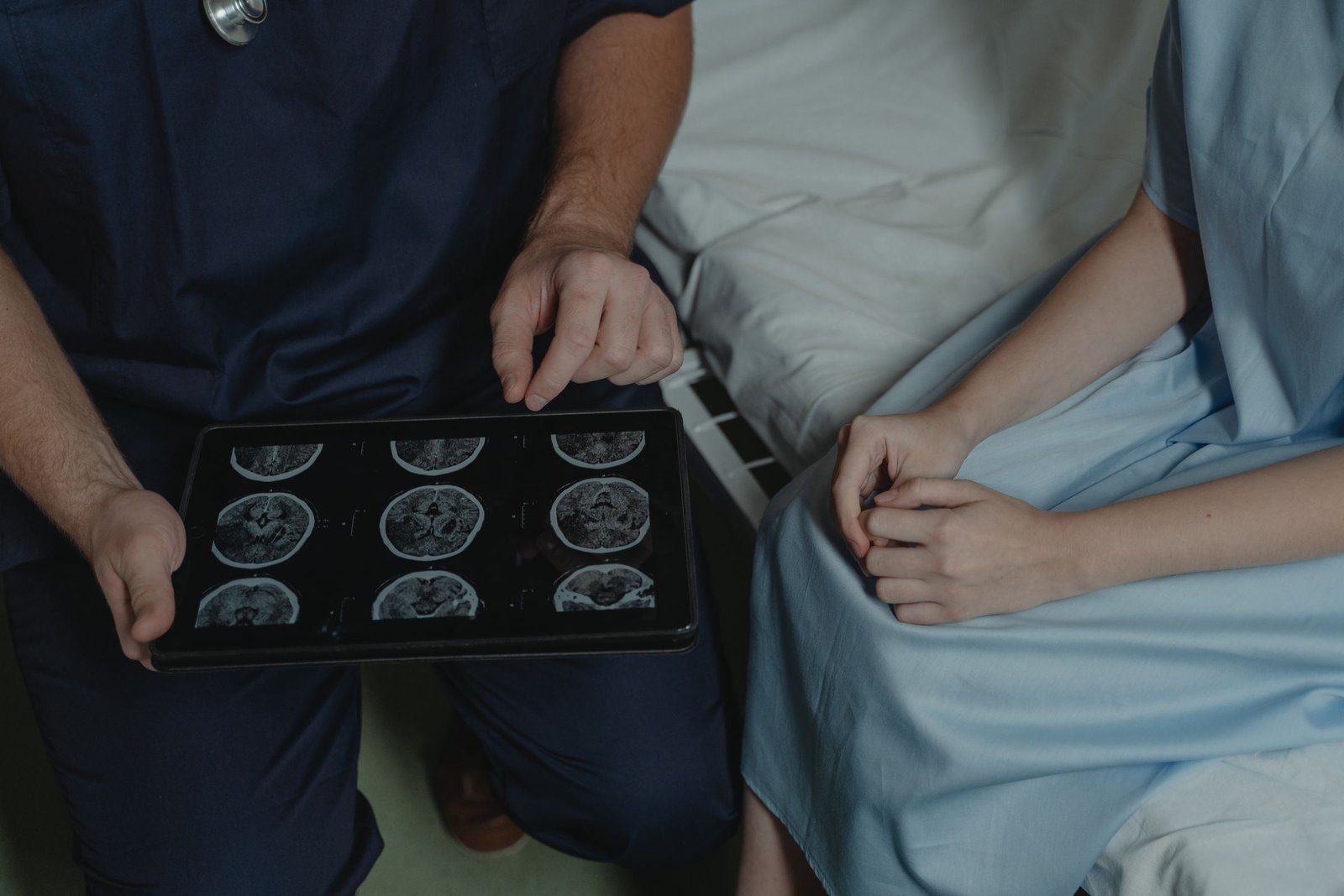

Seeing signs of opioid addiction can be scary, but you are not alone. Common signs include trouble cutting back, using opioids despite problems, and major shifts in daily life. One sign alone does not prove someone has opioid use disorder (OUD). A qualified professional reviews the full pattern to make a diagnosis.
This article details signs, risks, and professional evaluations. We publish a U.S. treatment directory, not a treatment provider. We do not offer medical care or state that this content underwent medical review.
If you think someone is having an opioid overdose, call 911 now. Give naloxone if you have it, following the product directions or instructions from the 911 dispatcher.
How This Guide Defines Opioid Use Disorder
Opioid use disorder (OUD) is a medical condition. It means using opioids in a way that causes major issues. These issues can impact your job, health, or relationships.
People often look for changes when searching for signs of opioid use disorder. You may spot shifts in mood, health, or behavior. Such changes can hint that the mind and body have begun to depend on opioids.
It helps to understand what counts as opioids. This group includes illegal drugs like fentanyl and heroin. It also includes prescription pain medicines, such as hydrocodone and oxycodone. The word does not mean only heroin.
Using prescribed pain medicine exactly as directed is not the same as having use that is hard to control. This guide looks at that loss of control. It helps you recognize when use turns into a problem.
A qualified clinician must evaluate you before diagnosing OUD. National data reveals how widespread these problems are. Yet, such broad trends do not show your personal risk or prove a diagnosis for you or a loved one.
Opioid Use Disorder Symptoms: Changes to Notice
It can be worrying to spot changes. Opioid use disorder is a pattern of use that causes distress or problems.[1] Many signs match normal pain medicine side effects. They can also come from other health issues.

The table sorts possible observations. It is not a diagnostic checklist. One change alone rarely proves anything. Look for a set of changes lasting over time. Watch for those that disrupt daily life.
| Area | Possible change you might notice | Why this alone doesn't prove OUD |
|---|---|---|
| Behavioral | Taking larger amounts or using opioids for longer than intended.[1] | With medical care, dose plans may shift if pain increases or tolerance grows. |
| Behavioral | Skipping duties at home, school, or work.[1] | Caregiving tasks, illness, stress, or depression can also lead to skipped duties. |
| Physical | Feeling sick, very tired, or constipated.[1] | Opioids commonly cause these side effects, even when used for pain as prescribed.[1] |
| Emotional/Social | Tension or fights in relationships stay despite using opioids.[1] | Substance use is not the only cause of conflict with others. |
See our guide on physical changes in the body for more on physical effects you can see.
Speak with a doctor if you see a pattern of these changes causing harm or distress. They can help tell apart expected side effects and signs needing treatment tweaks.
Recognize a Possible Opioid Overdose
If you think someone is having an opioid overdose, act now. Do not hold off for a regular check or ask if they have opioid use disorder. Call 911 right away.
Slow, shallow, or stopped breathing and inability to wake the person are key warning signs.[2] Not responding or extreme drowsiness can also be signs.[2]
- Check for overdose signs. Look for the signs above. See if they can breathe normally and wake up.
- Call 911. Ask for emergency help right now.[3] Explain to the dispatcher what you observe.
- Use naloxone if you have it. Naloxone can reverse an opioid overdose.[3] Follow the directions on the package or the dispatcher’s instructions.
- Stay with the person. Watch their breathing until help gets there. Do whatever else the emergency dispatcher tells you.
For a clearer look at how withdrawal symptoms differ from an overdose, read our guide on withdrawal vs overdose signs.
Difference Between Signs and OUD Diagnosis
Seeing a single sign of opioid addiction does not prove a person has an opioid use disorder (OUD). Diagnosis focuses on a pattern of symptoms across time. It does not rely on a single act or moment. Clinicians apply specific criteria when checking for OUD.[4]

These rules are for professional use only. They are not for checking yourself. Please do not use them to label a loved one. Only a qualified professional can review a person's full health and life.
OUD Diagnostic Criteria
The DSM-5-TR puts 11 symptoms into four groups. These are impaired control, social impairment, risky use, and pharmacological criteria.[5] To be diagnosed, a person must meet at least 2 of these 11 criteria in 12 months.[6] How severe it is depends on how many criteria are met.
| What is checked | What the threshold means | What it does not mean |
|---|---|---|
| Impaired Control | Cravings, trouble stopping use, or time spent recovering. | Wanting to quit once or missing one dose. |
| Social Impairment | Social issues from use; failing responsibilities at work, school, or home. | A bad work week caused by non-opioid stress. |
| Pharmacological Criteria | Withdrawal signs or tolerance (needing more). | Physical dependence from using opioids as prescribed by a doctor. |
| Diagnosis Threshold | At least 2 of the 11 criteria within 12 months.[6] | Having a single sign or risk factor means addiction. |
| Mild Severity | Presence of 2–3 criteria.[7] | Mild means it is not serious or does not need help. |
| Moderate Severity | Presence of 4–5 criteria.[7] | Moderate means treatment takes longer than for mild cases. |
| Severe Severity | Presence of 6 or more criteria.[7] | Severe means recovery is impossible. All levels benefit from treatment. |
Doctors use these groups to plan treatment. They do not judge a person's value or future. If you spot worrying signs, get an evaluation from a healthcare provider. Do not count the criteria on your own.
Factors That Increase Opioid Addiction Risk
Certain traits do not guarantee you will get opioid use disorder (OUD). They simply mean your odds may be higher. You might have many risk factors and never get OUD. Conversely, you can get OUD with no clear risk factors.
A few things are connected to a greater likelihood of OUD:
- Your history: Current or previous use of nicotine, alcohol, or other drugs.
- Family history: A sibling or parent has a substance use disorder.
- Mental health: Conditions such as PTSD, anxiety, or depression.
- Trauma: Childhood violence, neglect, abuse, or high stress.
- Opioid exposure: Dependence chances rise when using opioids for pain. The risk of overdose or death rises with higher doses. The risk stays high throughout treatment.[3] Yet, many people who take opioids as prescribed do not get OUD.
Risk factors are hints, not proof. Only a qualified clinician can check for OUD. Get a professional checkup if you worry about your use or a loved one’s.
What Is a Helpful Next Step?
This quiz cannot diagnose or rule out opioid use disorder (OUD). If you suspect an overdose (slow breathing, unresponsive, blue lips), call 911 now.
Steps in an Opioid Use Disorder Assessment
An opioid use disorder assessment is a talk. It is not a scan or blood test. A clinician asks about your symptoms and opioid history. They also review your overall health to ensure you are safe now. The goal is to understand your situation, not to put a label on you.

Clinicians examine the full picture. They consider medical issues, mental health conditions, and your social situation. They do this alongside the official rules for diagnosing opioid use disorder. This aids them in seeing why you might be struggling. It also assists them in locating the best support for you.
This guide covers spotting and checking for opioid use disorder. It does not explain how providers pick a program or level of care. That is a different step, often taken after diagnosis. Read our other guide to learn more about how treatment placement is assessed.
- Discuss the concern and use history. The provider asks the reason for your visit. They discuss your opioid use with you, covering what substances you’ve used, how often, and when you last used them.
- Review health and past treatment. They ask about your medical history and the medicines you take now. They also ask about mental health diagnoses and past attempts at treatment or recovery.
- Check symptoms and safety. The clinician checks against the rules for diagnosing opioid use disorder. They also look for immediate safety risks, such as overdose risk or thoughts of self-harm.
- Talk through findings and next steps. You go over the assessment results and possible next steps. These might be monitoring, therapy, medication, or further evaluation.
Since each provider’s method differs a bit, this outline is general, not a fixed plan. Feel free to ask questions anytime to ensure you grasp the topic and its purpose.
Opioid Dependence and OUD
Distinguishing between using opioids as prescribed and having opioid use disorder can be difficult. Physical dependence is a normal body reaction. It happens when your body grows used to regular opioid use.
Opioid use disorder is not the same as physical dependence. The DSM-5-TR does not count tolerance or withdrawal as symptoms. This applies if they happen only with properly supervised medication.[8]
Still, you can develop OUD while using prescription opioids. A sign of a problem may be using more than intended. It also matters if you cannot stop despite negative results.
Knowing the gap between physical reliance and compulsive use helps you know what to raise with your doctor. Our guide on dependence vs true addiction details this difference further.
Do not stop or adjust your prescription medication alone. Abrupt changes can cause withdrawal and other health risks. Tell a clinician about your worries. They can check your situation safely.
What to Share With a Clinician
Your ticks are saved on this device only.
Discussing Your Fears and Locating Support
Starting a talk can feel scary if you worry about yourself or a loved one. Pick a moment when you both feel calm and have privacy. Describe what you have seen rather than using labels like addict. You might say, "I've noticed you seem tired lately and missed some events." Then ask an open question, like, "How have you been feeling?"

Offer to help locate an opioid use disorder assessment without applying pressure. Try this simple script: I care about you and worry about what I have seen. Would you consider speaking with a clinician? I can help find an appointment if you want.
An assessment helps identify if a problem exists and what support may fit. No single path works for everyone. Medication is a key part of recovery for some people. The FDA has approved three medications for opioid use disorder: methadone, buprenorphine, and naltrexone.[9] Staying in treatment with methadone or buprenorphine is linked to lower risk of death from all causes and overdose compared to being out of treatment.[10]
It is important to know that detoxing alone is not enough. Medical guidelines say treating withdrawal symptoms alone does not effectively treat opioid use disorder, since relapse rates are high.[6]
Read our guide to opioid rehab levels of care to learn about the various care settings. This can help you see what outpatient or residential programs look like. If you are ready to take the next step, you can search for local treatment options to compare programs near you.
Frequently Asked Questions
How is opioid use disorder assessed?
A licensed clinician looks at your symptoms and life. They match these details to official diagnostic criteria. While a drug test gives useful info, it cannot diagnose the disorder alone. The exam also checks your general health and any urgent safety risks.
What questions might a clinician ask during an OUD assessment?
They will likely ask which kind of opioid you use. They may also ask how often, how much, and your route of administration. Be ready to discuss your last use, habit shifts, and the impact on your daily life. They may also ask about prescriptions, other substances, and previous treatments.
Can someone have OUD without experiencing withdrawal?
Yes. Withdrawal is one possible sign, but you do not need it to meet the diagnostic threshold. Clinicians examine your overall use pattern and its impact on life. They do not look for one required symptom.
Can I start by asking a primary care clinician for an assessment?
Yes, a primary care clinician is a great starting point. You can discuss your concerns and ask for screening, a full check, or a referral to specialized care. Find out which diagnostic and treatment services they provide, or where they suggest you go next.
How can I talk with someone I’m worried about without accusing them?
Share specific observations with I statements, like I noticed, rather than accusing. Listen without judging and ask what support they would find useful right now. Offer practical help, like finding an assessment together, while respecting their choices unless there is an immediate emergency requiring 911 or the emergency room.