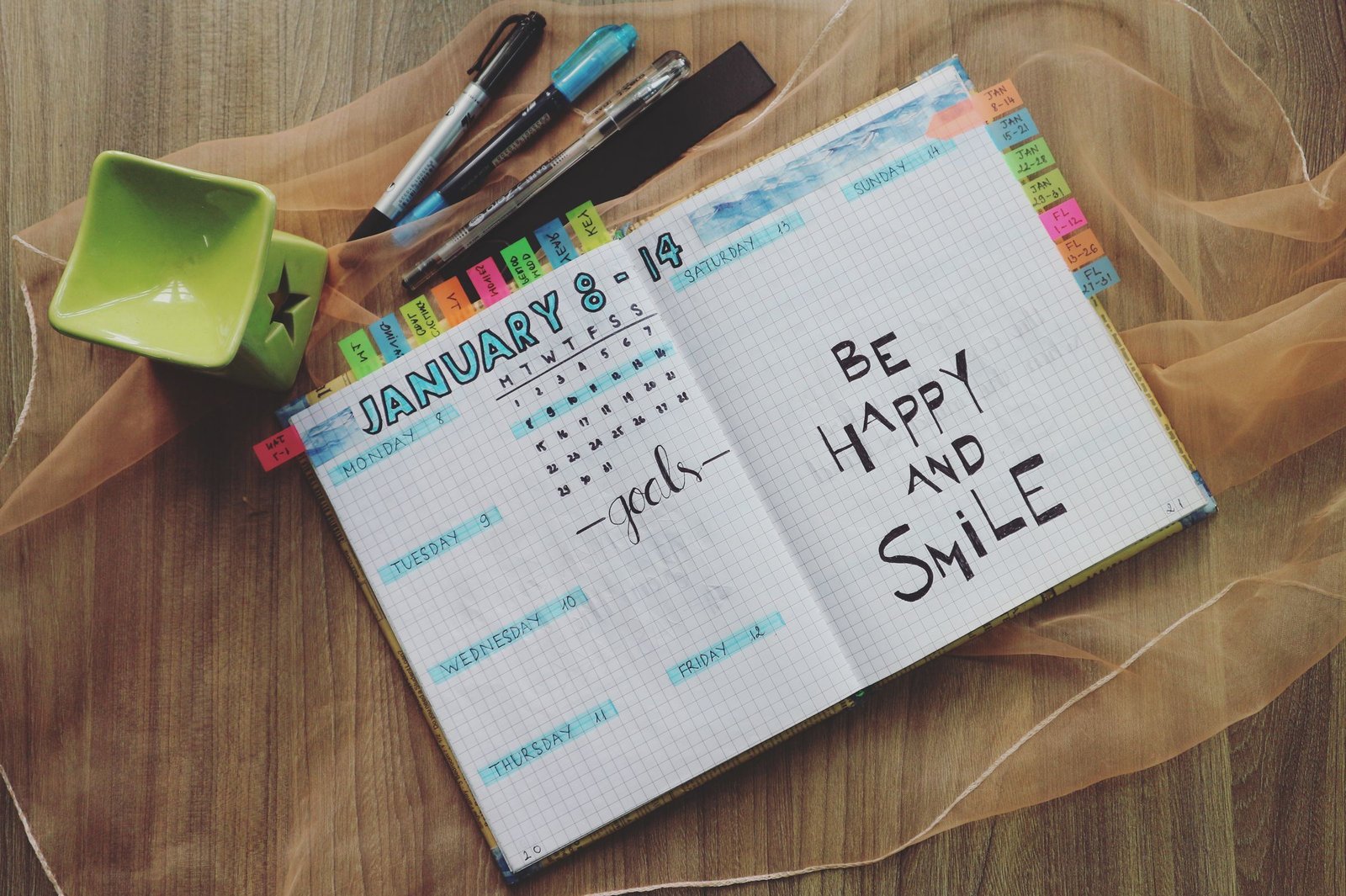

Finding recovery hobbies in early sobriety doesn't mean filling every hour with new commitments. Start with one low-pressure activity. Pick something that fits your energy, budget, and comfort level.
Try it briefly. Keep what feels helpful. Treat these activities as additions to your recovery support, not replacements for it.
This guide focuses on practical routines and sober activities. It is not a substitute for professional treatment or detox instructions. We are a U.S. treatment directory, not a treatment provider. This is an informational editorial guide.
If you are currently withdrawing from substances, please prioritize medical safety. If withdrawal includes a seizure, severe confusion, hallucinations, a high fever or a racing heart, call 911 or go to the nearest emergency room now. If you may be dependent on alcohol or benzodiazepines, contact a clinician before stopping.
Activities for Adults in Recovery, Matched to Your Needs
Finding the right recovery hobbies for adults is about matching an activity to how you feel today. You do not need to join a gym or a large group. Many sober activities for early recovery are simple, quiet and free.
Start by thinking about what you have energy for. Some days, you might want to walk outside. Other days, staying in bed with a book is enough. There is no wrong choice.
General Health Context
Movement and sleep support overall health. However, they are not tests of your recovery progress. The following are general guidelines for healthy adults. They are not requirements for any hobby or milestone in sobriety.
150 minutes
of moderate aerobic activity per week[1]
75 minutes
of vigorous aerobic activity per week[1]
7 to 9 hours
of sleep per night[2]
If you choose active hobbies, they can help you meet these goals naturally. But resting is just as important.
Comparing Activity Options
Use this table to compare ideas by cost, energy level, setting and social comfort. Costs and availability vary by community.
| Activity | Cost | Energy | Setting | Social Comfort |
|---|---|---|---|---|
| Walking | Free | Low to Medium | Outdoors | Solo or Group |
| Reading | Free (Library) or Low | Low | At Home or Library | Solo |
| Cooking | Low (if ingredients on hand) | Medium | At Home (Kitchen) | Solo or Group |
| Journaling | Free or Low (notebook) | Low | Anywhere Quiet | Solo |
| Gardening (Potted Plants) | Low (seeds/soil) | Medium to High | Outdoors or Window Sill | Solo or Group (Community Garden) |
| Listening to Music/Podcasts | Free or Subscription Cost | Low | Anywhere | Solo |
| Board Games/Card Games | Low (borrowing) | Low to Medium | At Home or Community Center | Group |
| Volunteering (Simple Tasks) | Free | Medium to High | Varies by Location | Group |
Choosing Your Level of Social Comfort
If you prefer being alone, try reading, journaling or walking with headphones. These let you be around people without deep interaction. If you miss connection but want low pressure, try a library event, a craft circle or a board game night with one friend. When you are ready to explore dating in recovery, our guide covers how to share your journey and set healthy boundaries.
For some people, structured groups provide necessary support. If you are considering this path, learn more about choosing a recovery meeting to find the right fit for your comfort level.
Try One Small Activity Before Committing
Finding enjoyable activities without alcohol or drugs can feel overwhelming when you are just starting out. You do not need to commit to a new identity or spend a lot of money to see if something fits. Instead, try a simple experiment. This approach is about gathering information, not fixing a problem. Choosing a hobby is not treatment for a substance use disorder or depression. If you are struggling with your mental health, please talk with your doctor or therapist.

Here is a low-pressure way to test an idea:
- Pick one option that fits your limits. Look at your schedule, energy, and budget right now. Choose something that feels possible today, not perfect.
- Make the first attempt brief and low-cost. Use supplies you already have or find a free online video. Set a timer for 10 to 15 minutes so it doesn't feel endless.
- Notice how it felt. Did you lose track of time? Did it feel forced? Were you bored or anxious? There are no wrong answers here.
- Decide what’s next. Repeat it if it helped, tweak it if it was close, or drop it if it wasn't fun. Even deciding "this isn't for me" is useful information.
Before you buy equipment or sign up for a class, check these practical details:
- Access: Can you get there easily? Is parking available?
- Cost: Is the first session free? What is the total price?
- Energy: Do you have the stamina for this activity after work or meetings?
- Social comfort: Will you be okay being around strangers, or do you prefer doing this alone?
Ways to structure free time in recovery often start with small experiments like these. Use this quick check to narrow down where to begin.
Which Activity Is a Manageable Next Step?
This self-check helps choose an activity only. It does not assess recovery, cravings, or safety.
Build a Flexible Starter Routine
Building a routine in early sobriety does not mean following a strict schedule. SAMHSA defines recovery as a process of change through which people improve their health and wellness, live self-directed lives, and work toward their potential.[3]
Everyone is unique. You have distinct needs, strengths, preferences, goals, culture, and backgrounds that affect your pathway to recovery.[3] So your schedule should reflect what works for you. To help shape that schedule, our guide to recovery goals explains how to turn broad intentions into manageable daily steps.
Use the example below as a starting point for ways to structure free time in recovery. It includes rest, meals, appointments, support meetings, and ordinary responsibilities alongside new hobbies. Treat it as a tool for organizing time, not a measure of success.
Early in the week
List two or three activities that fit your current energy and limits. Keep them low-pressure.
Midweek
Try one option from your list. If it feels like too much or isn't available, switch to your backup activity instead of skipping the day entirely.
End of the week
Note what felt manageable. Decide whether to repeat that activity or swap it for something else next week.
A backup plan helps when plans fall through. Having a second option removes the pressure to perform perfectly and keeps you moving forward gently.
Start With Safety and Support on Day One
On your first day sober, safety comes first. Finding new hobbies can wait. Alcohol withdrawal can be life-threatening for people who are physically dependent on alcohol.[4] Symptoms can begin within hours after a person stops or greatly reduces drinking.[5]

If you have been drinking heavily, talk with a doctor before you stop. Do not try to manage withdrawal alone at home. This is not safe.
Watch for danger signs. Act right away if you see them. Severe alcohol withdrawal can involve seizures, fever, severe confusion, hallucinations, or irregular heartbeats.[6] Call 911 or go to the nearest emergency room now if you or someone else has any of these symptoms.
Professional care is key. Experts recommend that alcohol withdrawal management be connected to ongoing treatment for alcohol use disorder rather than treated as a standalone service.[5] This helps ensure you have support beyond the first few days.
Day One Safety Checklist
Your ticks are saved on this device only.
This checklist is not a detox plan. If you need help planning your immediate post-treatment days, read our guide on managing your first week sober. Once you are stable, you can explore low-pressure sober activities for early recovery at your own pace.
Plan Around Triggers and What Feels Safe
When you look for new hobbies to support sobriety, think about how a setting might connect to past substance use. Environmental cues, like specific sights, smells or places, can trigger cravings.[7] Internal feelings, such as certain thoughts or emotions, can also bring on strong urges.[7] Everyone is different, so pay attention to what feels risky for you.
You do not have to avoid everything forever. Instead, try adjusting the details. You might choose a different location or time of day. Going with a trusted friend can make a new routine feel safer. It also helps to have an exit plan ready if the situation becomes overwhelming.
If an activity just does not feel right, skipping it is okay. Leaving early is a healthy choice, not a failure or a test of your willpower. Protecting your peace matters more than finishing an event.
Your mood plays a big role in how comfortable you feel during new activities. If you are feeling angry or overwhelmed, it might be harder to enjoy something unfamiliar. Learning about managing irritability in early recovery can help you understand these shifts and adjust your plans accordingly.
What Hobbies Can—and Cannot—Do in Recovery
A hobby can give you something to look forward to. It can fill an hour or build a skill. It may also connect you with people who share your interests. But a hobby is not treatment. It cannot replace professional care for a substance use disorder or a mental health condition.

It helps to see where hobbies fit with other support. The table below shows what each type offers and where its limits lie.
| Type of support | What it can offer | What it cannot do |
|---|---|---|
| Hobbies | Add structure, enjoyment, or a sense of accomplishment to your day | Treat a substance use disorder or mental health condition on its own |
| Peer or mutual-help support | Provide connection, shared understanding, and encouragement from others with similar experiences | Replace clinical check-ups or individualized treatment plans |
| Clinical treatment | Address substance use and mental health needs with proven care | Guarantee results without your active participation and follow-through |
These supports often work best together. Learning about building a recovery support system can help you see how hobbies, peer connections, and professional care might fit into your life. No single treatment is appropriate for everyone.[8]
Co-Occurring Conditions Need Integrated Care
If you live with both a substance use concern and a mental health condition, hobbies alone are unlikely to be enough. Treatment is most likely to succeed when both conditions are addressed together.[9] A licensed clinician can help you find care that treats the whole picture rather than one piece at a time.
While you work with a clinician, you can practice coping skills that complement your treatment plan. These do not replace professional care, but they can help you manage difficult moments between appointments:
- Grounding techniques: Use your five senses to bring yourself back to the present moment when anxiety or cravings feel overwhelming.
- Tracking triggers: Notice what thoughts, emotions, or situations tend to spark cravings or distress, so you can anticipate them.[7]
- Creating a plan: Decide ahead of time what you will do when cravings hit, such as calling a support person, changing your environment, or using a distraction technique.
Family Members May Need Their Own Support
If you are supporting someone in recovery, you may benefit from connecting with others in similar situations. A hobby can be enjoyable for you too, but it does not replace the value of dedicated peer support for caregivers.
For families specifically dealing with addiction, there are online support groups designed for this context. These groups provide a space to share experiences and learn from others navigating similar challenges. While they are not a substitute for clinical care, they can complement professional treatment by offering community and practical advice. You can search for reputable organizations that offer these groups, such as those affiliated with major health institutions or established recovery networks, to find a format that works for you.
Keep What Works and Connect It to Ongoing Support
You do not have to get your routine perfect right away. Try things, see what sticks, and adjust as your life changes.
- Notice what felt good. After a week, think about which activities felt manageable or enjoyable. Did walking clear your head? Did drawing help you relax?
- Keep, change, or drop. Keep the ones that fit. Change the ones that almost worked (maybe a shorter time or a different day). Drop the ones that feel like a chore.
- Add support if you need it. Hobbies are great, but they are not a replacement for care. Peer support groups can provide a rich source of support and complement other treatment.[10] For alcohol use disorder, mutual-support groups are also described as an option that can work alongside professional treatment.[9]
Your hobbies can sit comfortably next to therapy, meetings, or medication management. If you are unsure how to weave these pieces together, our guide on planning for support after treatment can help you ask the right questions.
Frequently Asked Questions
What should I do on my first day sober?
Put your safety and support ahead of finding the perfect activity. Contact a clinician or a trusted person, and keep your plan for the day simple. Withdrawal risk varies.[4] If you may be dependent on alcohol, talk with a clinician before stopping or reducing drinking.[4] If you have a seizure, severe confusion, hallucinations, a high fever, or a racing heart, call 911 or go to the nearest emergency room now.
How can I find a hobby when I have no motivation?
Make the first step very small. Choose something that needs little preparation and try it for just a few minutes without expecting to enjoy it right away. If low motivation continues alongside low mood or a loss of interest in things you used to enjoy, talk with a health professional.[11] This may be more than just a hobby problem.
How do I choose a hobby that fits my budget and schedule?
Start with options that use what you already have and take place at home or nearby. Look for activities you can pause or reschedule easily. Ask about costs before signing up or buying supplies, and try a free or low-cost version first.
Are there sober hobbies I can do alone?
Yes. You might try reading, cooking, journaling, crafts, listening to music, gardening, or taking a solo walk if it feels comfortable and safe. If being alone leaves you feeling isolated, consider adding a check-in with a friend or joining a group activity by choice.
What can I do if a hobby or social activity brings up cravings?
Pause the activity, change your setting, or leave if you need to. Contact someone you trust for support and think about choosing a different activity next time. You do not need to stay in an uncomfortable situation to prove your commitment to recovery.
Can hobbies replace treatment or recovery support?
No. While hobbies can add structure and enjoyment to your life, they do not replace professional treatment or peer support. Treatment for substance use disorders is individualized and may involve behavioral therapies and medications.[12] Ask a clinician what options fit your specific needs.
Can hobbies support mental health recovery too?
Some activities may support well-being, but they are not a substitute for mental health care. For example, one session of moderate-to-vigorous physical activity can reduce anxiety symptoms and improve sleep on the day it happens.[13] Effects vary from person to person. Discuss persistent symptoms with a qualified professional who can help you choose manageable activities that fit into your overall care plan.