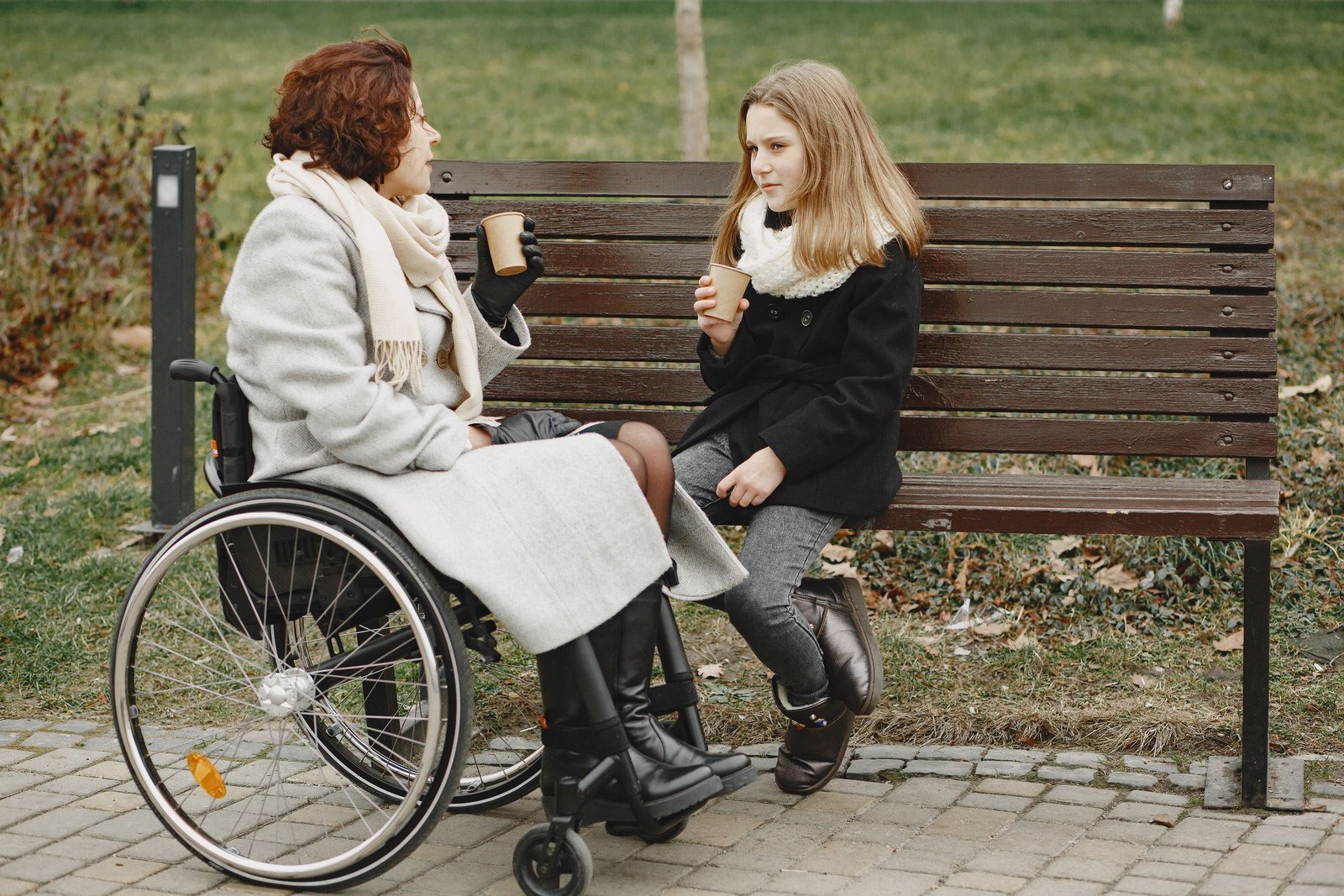

If you are wondering what to do after relapse, check for an overdose first. Call 911 right away if you think one may be happening. Call your treatment team today if there is no emergency. You can also contact an opioid-treatment provider. Ask a trusted person to help you with the next step.
We publish a U.S. treatment directory. We are not a treatment provider. This guide was written by our editorial team. It is not medical review. Upcoming sections cover immediate safety steps. They also explain how to reconnect with treatment and seek support from peers or loved ones.
Recognize an Opioid Overdose and Act Now
If you think someone is having an opioid overdose, call 911 immediately. Do not wait to see if symptoms get worse, and do not drive the person to the hospital yourself. Possible signs include slowed, shallow or difficult breathing, severe sleepiness, or not being able to respond or wake up.[1] Pinpoint pupils are another common sign.
These figures are national estimates. They do not predict outcomes for any single person.
| What You May See | What to Do |
|---|---|
| The person cannot be woken up | Call 911 immediately[1] |
| Breathing is very slow, shallow or absent | Call 911, then give naloxone if you have it[1] |
| The person is unresponsive | Call 911, then provide rescue breathing if you are trained |
| Skin looks pale or blue | Call 911, then stay with the person until help arrives |
For any suspected overdose, the first step is always to call 911. Give naloxone now if you have it.[1] Stay with them and follow dispatcher directions until aid comes. Naloxone can reverse an opioid overdose by restoring breathing.[1] It works quickly to block the effects of opioids and temporarily reverses the breathing problems caused by the overdose.[1] Always call 911 even if you give naloxone.[1]
What to Do After Relapse: Immediate Actions
Recovering from a relapse means taking small, clear steps. You do not have to fix everything at once. Focus on safety first, then ask for support.

- Check for immediate danger. If you or someone else is having trouble breathing, cannot be woken up, or has blue lips or fingertips, call 911 right away. If you are having thoughts of suicide, call or text 988 for free, confidential support 24 hours a day.[3]
- Tell a trusted person. Tell a trusted person that you have started using opioids again. Be honest with them. Ask for help making calls or driving to appointments.
- Contact your care team. Reach out to your doctor, therapist, or treatment provider. Share exactly what happened and ask about care options today. Without a provider, contact the SAMHSA National Helpline at 1-800-662-HELP (4357). It is free, confidential, and open 24/7.[4] Year-round, it offers referrals and information.[4]
- Make a follow-up plan. Set an appointment or agree on next steps while still on the call. Tell your trusted person about this plan so they can help you follow through.
A Flexible Recovery Path
People progress at different speeds. Use this timeline as a guide, not a strict rule.
Right now
Prioritize immediate safety and emotional support. Do not worry about the future yet. Just stay safe for the next hour with someone who cares.
Today
Get in touch with your treatment team or a qualified provider. Set up follow-up care and talk about restarting medication for opioid use disorder if it fits your needs.
As follow-up continues
Review your recovery plan with your care team. Identify what led to the relapse and update your approach together. Our guide to opioid aftercare plans helps you consider long-term supports.
Using Again Does Not Undo Your Progress
Please know that using opioids again does not mean you are broken or that recovery failed. Returning to use is a call for support, not a sign of moral failure. Relapse definitions vary, yet any opioid use warrants support without meeting a set duration. Shame can be a common reaction after a return to use, but it is not proof of personal failure and should not delay seeking care. Right now, you deserve care exactly as you are. Our guide on addiction relapse explores how to recognize warning signs and find support after a return to use.
Wondering why this occurred is a normal reaction. Rarely is there just one cause. Stress, shifts in housing, untreated pain or mental health symptoms, and support gaps can each contribute. Rather than seeking a single reason alone, share these ideas with your care team. They can help you understand what shifted and adjust your plan so it fits your life better.
Overdose risk is real after a return to use because tolerance may have dropped.[2] You do not need to wait for a specific amount of time to pass before asking for help. Reach out today. If you are struggling to find the words, try sending a simple text or making a quick call: “I used again and need help staying safe and reconnecting with care.” This message does the heavy lifting for you. It tells the person what happened and what you need, without requiring you to explain everything at once.
Be kind to yourself now by using nonjudgmental self-talk. Remind yourself this is a health event, not a character flaw. Pick just one safe next step, like calling your prescriber or a trusted friend, instead of solving everything at once. Reaching out to someone you trust can also ease the isolation that often comes after a return to use.
Look at the next step, not the timeline. Worrying about safety or wanting to return to treatment is enough reason to act now. Support is available immediately.
Return to Opioid Care
Returning to care is the key step. Contact your prescriber or program right away. Explain what occurred. Request a prompt evaluation. Being honest lets them update your plan safely. For ongoing support, our guide to opioid aftercare explains how to manage medication and health risks during recovery.
Looking for a new provider? Begin by learning about reconnecting with your care team. You can also look through opioid treatment programs to locate options near you.
Counseling and Medication Choices
No two people receive the same treatment. Your clinician reviews your history and needs. They work with you to create a personal plan. The FDA has approved three medications for opioid use disorder: methadone, buprenorphine, and naltrexone.[5] To keep that personal plan on track, our guide to a written recovery care plan explains how to document your next steps.
National guidelines were made by the American Society of Addiction Medicine (ASAM).[6] They assist clinicians in picking effective treatments. This guidance sets no time limit on medication.[7] Rather, the decision rests on what suits you best over time.
Both counseling and medication can help. See how they differ below.
| Option | Purpose | Questions to Ask |
|---|---|---|
| Buprenorphine | A drug often given by a doctor that you can take at home to balance brain chemicals. | "Can I get a prescription from my regular doctor?"<br>"How do I manage refills?" |
| Naltrexone | A drug that stops opioid effects to keep you from relapsing. | “Is this suitable for me if I am already stable?”<br>“How frequently do I need to take it?” |
| Counseling & Supports | Builds tools to handle triggers and fix relationships.<br>Includes therapy, peer groups, and case management. | "What type of counseling fits my goals?"<br>"Are there peer groups nearby?"<br>"How will we measure progress?" |
Remaining in treatment is vital. A review showed that methadone or buprenorphine cuts death rates during treatment.[8] This highlights the importance of steady care.
Do not start, stop, or change meds alone. Speak with your prescriber first. Self-managing can be risky. It may raise the risk of overdose or bad withdrawal. If you have doubts about your pills, call your prescriber immediately.
Find Peer Support and Plan Your Next Steps
It takes courage to ask for help after a relapse. You do not need to handle next steps alone. Peer support offers connection and understanding from people with similar experiences. However, peer support is not a substitute for urgent medical care or clinical treatment. If you are in danger, call 911 or go to the nearest emergency room now. To understand how these roles fit together, read our guide to building a recovery support system for lasting stability.

If you are safe, contacting someone you trust can help connect you back to care. Be specific about what you need. You might ask someone to stay with you for a while, help you call your treatment provider, drive you to an appointment, or help you find a support group.
For supporters, listening without judgment is key. Instead of guessing, ask what help they want. Using again is a health event, not a flaw in character. Your steady presence can make it easier for your loved one to reconnect with treatment.
VA recovery resources note that mutual-help groups can aid recovery via self-exploration and shared experience.[9] These include 12-step programs and non-12-step methods like SMART Recovery.[9] Learning about different peer support options may help you find a good fit.
My Next-Step Support Plan
Your ticks are saved on this device only.
What Support Do I Need Next?
This self-check is for information only and isn't a diagnosis.
Frequently Asked Questions
If naloxone wakes someone, do they still need emergency help?
Yes. Naloxone is a temporary treatment, so repeat doses may be required.[1] Call 911 right away even if the person wakes up or seems to improve. Stay with them and follow instructions from emergency responders.
How long does an opioid relapse usually last?
No set time defines a return to opioid use or how long it will last. Do not wait for a specific duration before seeking help. Call your treatment provider or a support line right away.
Which addiction has the highest relapse rate?
There is no reliable universal ranking for which addiction has the highest relapse rate. Reported rates vary widely across studies because researchers use different definitions of relapse, study different populations, and track outcomes over different lengths of time. Focus on getting support early if you see signs of returning to use, rather than on rankings.
Does using opioids while taking buprenorphine mean treatment has failed?
No. Using substances again is not a good enough reason to quit buprenorphine treatment.[6] Let your prescriber know what occurred and request a prompt review of your plan. Do not stop or adjust your medication without talking to your prescriber first.
Are there peer groups besides 12-step programs?
Yes, there are many peer-support options besides 12-step models. SMART Recovery is one choice called a research-based support program.[10] Before attending, ask what a group believes and how it operates. Pick support that feels doable for you.
Can a family member call a treatment helpline for me?
Yes. SAMHSA's National Helpline provides free, confidential referrals and info on substance use disorders.[11] A worried family member or friend can call to ask about choices. Treat the info as a starting point, not a replacement for your own clinical care.