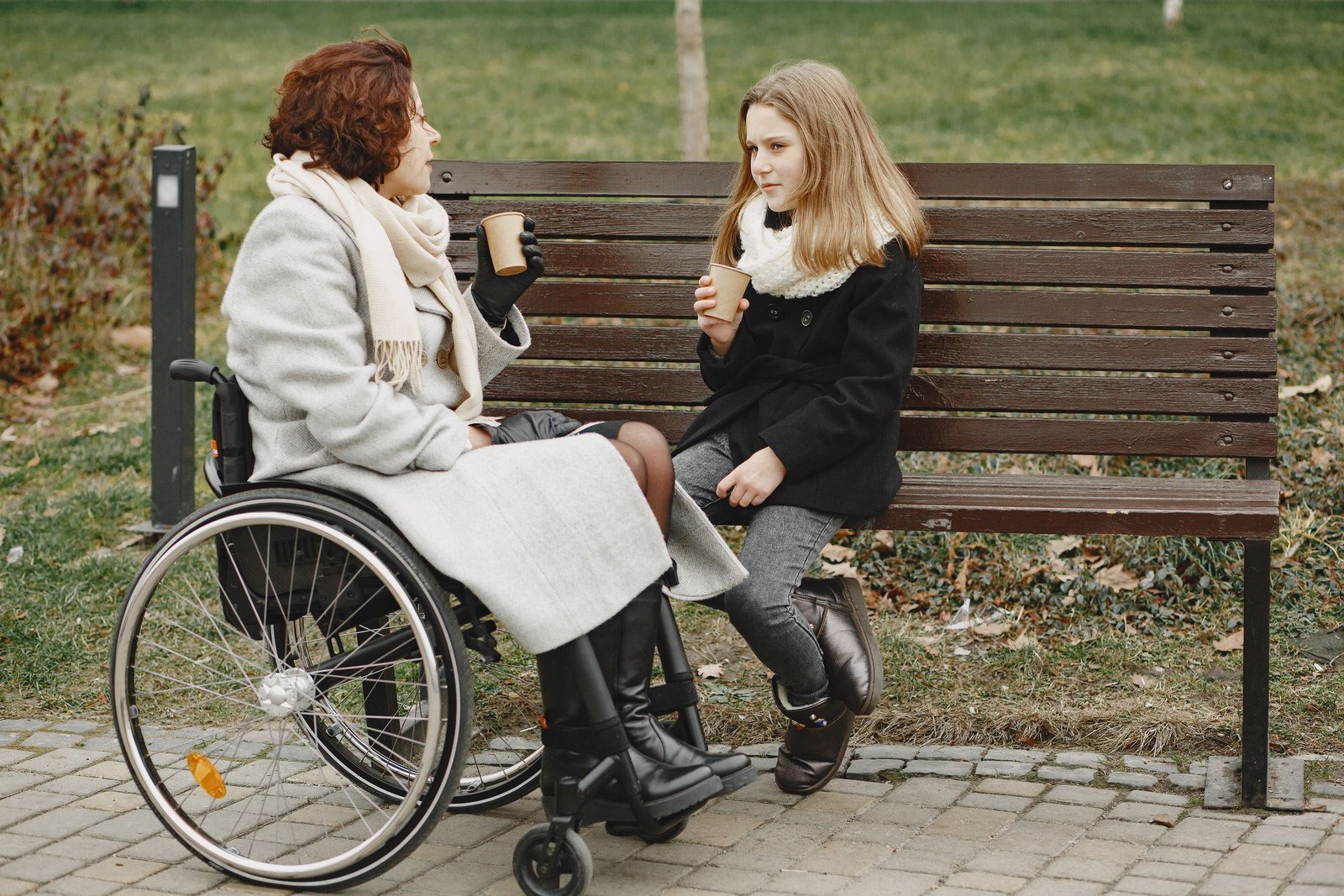

Drug rehab aftercare is the ongoing support you set up after leaving a formal treatment program. It can include outpatient care, peer or alumni groups, and recovery housing. It may also cover help for mental and physical health.
Try to arrange these steps before you leave. Choose the support that fits your needs, your preferences, and your safety.
This guide compares ongoing support options. It also outlines a timeline from discharge to follow-up. You will see what to do if recovery becomes difficult.
We are a U.S. treatment directory publisher, not a treatment provider. This guide is for information only.
What Recovery Can Mean After Formal Treatment
Recovery after drug rehab is not a single finish line. It is a process that looks different for everyone. Because goals vary, so do measures of success. Some studies focus on total abstinence. Others look at reduced use, better functioning at work or home, or a person’s own sense of well-being. A single percentage cannot capture all these outcomes.
Change is possible, but its pace differs. Some people make rapid progress; others move slowly through setbacks and gains. Formal treatment provides tools and structure, but ongoing support helps apply them in real life. Setting realistic expectations helps you stay engaged even when progress feels uneven.
What Should You Do After Rehab?
Leaving a formal treatment program is a big step. But it is rarely the end of your care. Your next step might be outpatient therapy, peer support, or recovery housing. You might combine several of these services. Think of the timeline below as a flexible checklist. It is not a strict clinical schedule. ASAM standards say care should be coordinated during major transitions.[1]

Before discharge
Confirm your first follow-up appointment. Save the direct phone numbers for your treatment team.
On discharge day
Review your written next-step plan. Check that you have reliable transportation to get to services.
During the first week
Make the planned connections, such as attending your first group meeting or calling your new therapist. Tell your care team right away if you hit any barriers.
Over the first month and beyond
Check in regularly with your care team to see what is working and what needs adjusting.
What Is Aftercare in Addiction Treatment?
Aftercare means ongoing support after you finish intensive treatment, like inpatient rehab or a partial hospitalization program. It is not just one specific program. Aftercare can include clinical services, like individual counseling and medication management. It can also include nonclinical supports, like 12-step meetings or sober living homes. The mix of services you use can change over time as your needs evolve.
Discharge-to-Aftercare Checklist
Your ticks are saved on this device only.
Preparing for this transition takes time. Read our guide on questions to ask before leaving rehab so you can walk out with clear answers about your next steps after rehab discharge. For a deeper look at safety and continuity, review our list of aftercare plan questions to ask before you leave. To understand who guides these steps, read about the role of social worker in addiction treatment and discharge planning.
Aftercare Options After Drug Rehab
Leaving rehab is a big step. But recovery continues in your daily life. No single path fits everyone. Many people find that mixing support types works best. Here are five common options to consider as you build your ongoing recovery support options.
| Option | Typical Structure | Type of Support | Access and Fit Considerations | Questions to Ask |
|---|---|---|---|---|
| Outpatient Clinical Care | Regular appointments with therapists or doctors, often weekly. | Clinical care from licensed health professionals. | May need insurance or sliding-scale fees. Good for managing mental health conditions too. | "Do you take my insurance?" "How often are sessions?" "Do you prescribe medications for substance use disorders?" |
| Peer Mutual-Help Groups | Weekly meetings, in person or online, based on shared experiences. | Peer support from others in recovery. | Usually free or donation-based. Found in many communities and online. NIAAA says these groups can offer a valuable added layer of support when combined with professional treatment.[2] | "Is there a meeting near me?" "Are there meetings for my background?" "Can I stay anonymous?" |
| Treatment Alumni Programs | Events and networks run by the facility where you finished rehab. | Peer support and connection through shared treatment experience. | Often free for former patients. Helps keep ties with counselors and peers. | "What events do you host?" "Is there an online group?" "Can I still reach my counselor?" |
| Recovery Coaching | One-on-one sessions with a coach who has lived experience in recovery. | Peer-led guidance on goals and daily life skills. Coaches are not clinicians and cannot provide therapy or medical advice. | Costs vary, and insurance may not cover it. Good for practical support alongside clinical care. | "What training do you have?" "How often will we meet?" "Do you work with my clinical team?" "Is this covered by my plan?" |
| Sober Living / Recovery Housing | Shared housing with rules about sobriety, chores, and recovery activities. | Residential support that offers structure rather than clinical treatment. | Cost and rules vary widely. Useful if your home is triggering or unstable. See our guide on sober living versus outpatient care to learn how these differ. | "What are the house rules?" "How long can I stay?" "Do you help find jobs or treatment?" "What happens if someone breaks the sobriety rule?" |
Combining Support Types
You don’t have to pick just one option. You might attend outpatient counseling while also going to peer mutual-help groups and staying in sober living housing. Behavioral therapies used in outpatient settings can help people develop skills to avoid and overcome triggers, such as stress.[3]
Peer groups and alumni programs offer community and understanding, but they are not a substitute for clinical assessment if you need medical care or therapy for a substance use disorder or mental health condition.[2] If you have an opioid use disorder, talk with your doctor about whether medications like buprenorphine, methadone, or naltrexone are right for you.[4] For those seeking community online, our guide to online peer support groups explains how to choose safe and helpful options. For more on leveraging these networks for lasting recovery, see our guide to drug rehab alumni programs and long-term support planning.
As you explore these aftercare options after drug rehab, think about what structure you need most right now. Pairing clinical care with peer support often creates a stronger foundation than relying on one alone. Start by writing down your goals and challenges, then look for programs that address both through building a relapse prevention plan. If you are returning to classes, our guide on staying sober in school offers practical strategies for balancing academics and recovery.
Responding to a Return to Use
A return to drug use after rehab is not a moral failure. The American Psychiatric Association describes addiction as a complex, but treatable, disease that affects brain function and behavior.[5] When a return to use happens, the most important thing is safety. Get help with a return to substance use by focusing on immediate needs and connecting with care quickly. Our guide on going back to rehab explains how to assess safety and choose the right level of care.

Overdose safety is a major concern, especially with opioids. After a period of abstinence or reduced use, your body’s tolerance drops. Resuming opioid use at the previous dose carries a high risk of overdose and death.[6]
- Check for immediate danger. Look for signs of an overdose, such as unresponsiveness or slow, shallow breathing.[7] If you see these signs, move to step 2 immediately. Do not wait.
- Call 911 and give naloxone if available. Always call 911 if you suspect an overdose.[7] If you have naloxone, give it right away. Naloxone can reverse an opioid overdose and restore breathing.[7] If the person does not respond or symptoms return, give additional doses according to the product directions. Follow the 911 dispatcher’s guidance while waiting for responders.
- Stay with the person. Keep them safe while emergency help arrives. Do not leave them alone until professionals take over.
- Contact the treatment team. Once immediate danger is gone, reach out to the person’s care team or an urgent addiction-care service. They can help assess what happened and adjust the treatment plan.
- Review support needs without blame. Talk with the care team about what triggered the return to use and how to strengthen support moving forward. This is a chance to learn and adjust, not to judge.
For ongoing support between emergencies, learning managing cravings at home can help people navigate triggers in daily life. However, if there is any doubt about safety or if overdose signs appear, always choose emergency care first. For those recovering from stimulants, our guide to stimulant addiction recovery offers specific strategies for navigating life after treatment.
Coordinating Mental and Physical Health Care
Recovery often brings new questions about your health. You might deal with pain, poor sleep, or a mental-health issue. These things can affect your ability to stay well. Share them with qualified providers. Our guide to mental health care after rehab explains how to connect with providers for ongoing support. For creative ways to process emotions during recovery, explore our guide to art therapy for addiction and its benefits.
Ongoing support does not happen in isolation. Guidance from the American Society of Addiction Medicine encourages checking medical and mental-health needs when planning addiction care.[8] This means your team should look at the whole picture, not just substance use.
If you have co-occurring mental health and substance use conditions, treating both is key. The National Institute on Alcohol Abuse and Alcoholism says treatment works best when both are addressed together.[9] Symptoms can overlap or influence each other. So, they need to be part of one integrated recovery care plan.
Your follow-up care may involve several providers. You might see an addiction specialist, a primary-care doctor, and a counselor. You can help bridge these connections. Tell each provider about all the medications you take. Include prescriptions from other doctors. Be honest about any physical symptoms or emotional struggles you face.
If outpatient care isn’t enough, consider more structured options. Talk with your providers about whether this level of support makes sense for you. They can help evaluate if you need more intensive monitoring or specialized therapy.
How Family and Friends Can Support Recovery
Recovery is a journey. Your support can make a difference. Often, the best way to help is to listen without judgment. Ask what kind of support they want. Don't guess. Offer specific help instead. You could drive them to an appointment. Or you could sit in on a family session if invited. Our guide to family support in recovery explains how to build aftercare plans and navigate consent with your loved one.

It’s natural to wonder, "Do people change after rehab?" Change is often gradual. Setbacks can happen, but they don’t erase progress. Your steady presence matters more than perfect outcomes.
Boundaries are not about control. They are limits on what you can do or accept. This protects your own well-being. Healthy boundaries let you stay connected without burning out. They also help you avoid enabling harmful behavior.
| Support that may help | A healthy boundary |
|---|---|
| Offering a ride to an appointment | Not taking responsibility for whether they attend |
| Listening without arguing | Ending a conversation if it becomes unsafe or abusive |
| Helping find support groups | Respecting another adult’s final choices about their care |
| Celebrating small wins | Not giving money that might be used for substances |
For some adolescents, family-based treatment can be helpful. These programs involve parents and caregivers in the healing process.[10] However, family participation isn’t required for every person in recovery. Adults can choose how much involvement they want from loved ones.
You also deserve support. Caring for someone with a substance use disorder can be stressful. Consider joining a support group for families. You might also talk with a therapist about your own feelings. You can’t pour from an empty cup. Protecting your health helps you show up better for them.
Finding Addiction Recovery Support After Rehab
Leaving rehab is a big step, and you do not have to figure out the next steps alone. There are reliable ways to find addiction recovery support after rehab. Start with your current treatment team. Ask them for referrals to outpatient therapy, sober living homes, or peer support groups. If you have insurance, call the member services number on your card. Ask what aftercare services are covered and if you need prior authorization.
You can also use an official treatment referral resource. The SAMHSA National Helpline is free, confidential, and available 24 hours a day, 365 days a year.[11] You can reach them by calling 1-800-662-HELP (4357). Counselors there can help you find local substance use treatment and information. This helpline provides treatment referrals; it is not for emergencies. If you are having thoughts of suicide or self-harm, call or text 988 now.[12] If you suspect an overdose or see signs of immediate danger, call 911 or go to the nearest emergency room immediately.
Aftercare Connection Check
This self-check is for information only and isn't a diagnosis. Seizures, severe confusion, hallucinations, a high fever or racing heart during withdrawal, signs of an overdose, or immediate danger mean calling 911 or going to the nearest emergency room now. Suicidal thoughts mean calling or texting 988 now.
Once you know what kind of help you need, use our directory to search for aftercare programs near you. Confirm services, availability, and fit directly with each program before enrolling.
Detox Recovery and When to Seek Help
Detoxification and early recovery programs can help a person stop using substances and begin building a foundation for recovery, but detoxification alone is not complete treatment; ongoing care may still be needed.[13]

The timeline for continuing recovery support can respond to a person’s progress and evolving needs.[14] For symptoms that are not emergency danger signs, including symptoms that linger, worsen, or feel new and worrying, reach out to your doctor or treatment team. They can coordinate care and adjust the treatment plan when your physical or psychological health changes.[1]
Some symptoms require emergency care now. Severe alcohol withdrawal can cause dangerous complications, such as seizures or delirium tremens.[9] If you or someone else has a seizure, severe confusion, hallucinations, a high fever, or a racing heart during withdrawal, call 911 or go to the nearest emergency room now. Do not try to manage severe withdrawal at home.
Call or text 988 for suicidal thoughts or emotional crisis.[12] If you or someone else has thoughts of suicide or self-harm, or if there is immediate danger or an attempt in progress, call 911 or go to the nearest emergency room now.
For concerns that are not emergency danger signs, talk with a licensed clinician about what you are experiencing. You can also search for aftercare programs near you to find structured support that matches your needs.
Frequently Asked Questions
What happens after drug rehab?
After leaving a residential program, many people move into outpatient care, peer support groups, or recovery housing. Some use a mix of these options. The most important next step is confirming your follow-up appointments. Know who to call if your needs or safety change.
How long should someone stay in aftercare?
There is no single end date that fits everyone. The American Society of Addiction Medicine promotes treatment length that responds to your progress and evolving needs.[14] ASAM guidance also supports checking care needs when your response to treatment or circumstances change.[15] Ask your care team to review your plan regularly. Do not treat a specific date as proof that you no longer need support.
Why do people return to drug use after rehab?
Relapse does not happen for one simple reason. Stress and cues associated with past substance use can trigger cravings and lead to renewed use.[16] Other factors may include changing life circumstances or exposure to old environments. Discuss these possibilities with your care team to identify support needs. View this as a chance to adjust support, not as a personal failure.
What should someone do if they return to drug use after rehab?
Prioritize immediate safety above all else. If you suspect an overdose or face immediate danger, call 911 or go to the nearest emergency room right away. Once you are safe, reconnect with your treatment team or another qualified service. Discuss what support needs to change.
Are some addictions harder to quit than others?
Yes, the difficulty of stopping varies widely from person to person. Factors like the specific substance, the risks of withdrawal, your overall health, social circumstances, and access to treatment all play a role. Because withdrawal can sometimes be dangerous, it is important to seek medical help rather than trying to quit alone.
How can family and friends support recovery while setting boundaries?
Ask what kind of help is actually wanted. Offer specific support, such as driving to appointments or helping with chores. Avoid shaming language or taking over decisions that belong to the person in recovery. Set clear limits on what you can reasonably do. Seek support for your own well-being so you can stay steady.
Do people change after rehab?
Change is possible, but its pace looks different for everyone. No one can guarantee a quick or perfect transformation. Look for ongoing actions and continued connection to support systems as signs of progress. Do not expect immediate perfection.
How long does it take to feel normal after detoxing?
There is no single timeline that applies to every substance or person. For alcohol withdrawal, symptoms like sleep changes, mood swings, and fatigue may last for months.[17] Contact a clinician about symptoms that persist or concern you. For seizures or severe confusion, call 911 or go to the nearest emergency room now.