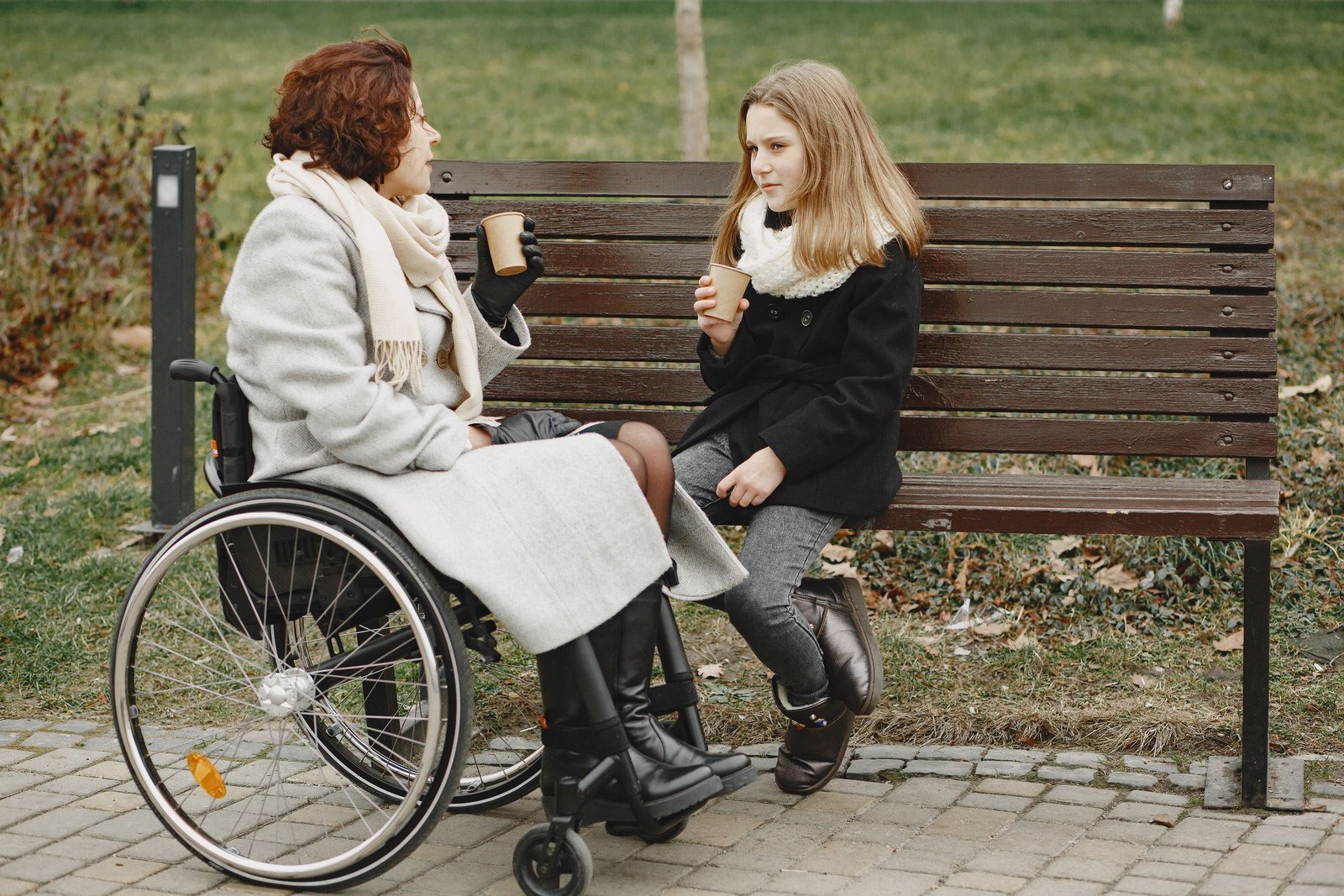
Yes. Numerous drug rehab alumni programs are available. They help past clients remain connected after finishing treatment. These groups can give you community and peer connection. However, they are not automatically a replacement for clinical care. They also do not substitute for a broader rehab aftercare plan.
This guide covers what such programs typically provide. It also explains finding support if your past center lacks one. We are a U.S. treatment directory, not a treatment provider. To help you locate options, we review public health sources.
What a Rehab Alumni Program Can Offer
Treatment providers usually run these rehab alumni programs. They are for those who completed or joined its services. View it as a link connecting formal treatment to daily life. It can be a peer community, a set of activities, or both.
Every provider manages their program in its own way. So, what they offer varies widely. Common formats include:
- Routine check-ins or scheduled meetings
- Trips and social meetups
- Internet message boards or online groups
- Volunteering or service projects
Alumni participation is optional support, not medical treatment. It does not guarantee recovery. Being in an alumni group does not mean you no longer need professional care. If you struggle, talk to your doctor or therapist. Do not rely on peer support alone. When urges feel overwhelming, our guide on how to handle cravings offers practical strategies to help you stay steady. For those recovering from stimulants, our guide to stimulant addiction recovery outlines specific support options for life after treatment. For a structured approach to this transition, our guide on continuing care after stimulant rehab details how to plan for brain recovery.
Ways Alumni Support Varies From Other Groups
After treatment, you may hear about various recovery support groups. Each group has a different purpose. Understanding these differences helps you pick what works for your life.

The table shows three usual choices. The center that treated you runs alumni activities. Separate groups hold independent mutual-help meetings. Clinical continuing care uses licensed providers. These pros give ongoing medical or therapeutic services. For details on housing and care levels, see our comparison of sober living vs IOP to help you plan your next step.
| Option | Who organizes it | Typical activities | Who may attend | Provides clinical treatment? |
|---|---|---|---|---|
| Rehab alumni activities | The treatment provider where you completed care | Mentoring, check-ins, social events, workshops (differs by provider) | Typically program grads; some allow guests or family (specific to provider) | No |
| Independent peer-support or mutual-help meetings | National fellowships, community groups, or faith organizations | Discussion, shared stories, structured steps or alternatives (differs by group) | Anyone needing help with substance use issues | No |
| Clinical continuing care | Medical practices, therapists, or licensed clinics | Medication management, individual or group therapy, relapse-prevention planning | Those referred by a provider or self-referring to a clinic | Yes |
Peer support uses shared experience, not clinical training. The VA defines it as help from people with lived experience who use it to assist others in recovery.[1] An alumni program connects you to one provider. Stand-alone meetings are not linked to your past rehab center.
Groups for Recovery Support After Care
Any one treatment center does not run independent mutual-help meetings. Provider-led alumni events belong to the facility where you got care. Licensed clinical services involve credentialed professionals giving therapy or managing medication.
You do not need to choose only one kind of support. Many people attend alumni events and also go to community meetings or see a therapist regularly. If you do not know which mix works best, ask your clinician about options that fit your needs. See our related guide for help managing mental health after discharge. Our guide to mental health care after rehab explains how to secure ongoing treatment and coordinate with your addiction care team.
Building a Support Network Without Your Old Rehab
Relocating or switching providers does not leave you isolated. Community groups offer ways to build support. Begin by reaching out to your former team for assistance. Then seek local options that match your lifestyle.
- Call your former provider. Speak with your counselor or discharge planner. Ask if they know any local groups or community organizations that fit your goals.
- Search for independent meetings. Search for mutual-help groups in your area or online. SMART Recovery provides both in-person and online meeting choices.[2] You can also weigh 12-step against non-12-step meetings to see what suits you.
- Check access rules. Ask whether the group is open to all or only to former clients. Determine if registration is needed and if participants can rejoin after a break.
- Attend a single event without feeling pressured to commit.Try one meeting first. Check if the structure and help seem useful to you today.
Use national resources for treatment referrals as well. SAMHSA's National Helpline offers free, confidential 24-hour referrals and information on mental and substance use disorders, prevention, and recovery.[3] You can also use FindTreatment.gov to locate licensed facilities nearby. Keep in mind these lists focus on treatment programs, not every peer group in your area.
For more guidance on planning your next steps, see our guide on questions to ask your treatment team. Our guide on aftercare plan questions helps you prepare for discharge and build a solid recovery support network.
Verify Privacy and Boundaries Before You Sign Up
Not every alumni group fits your needs. A few are just casual social meetups. Others are structured check-ins led by counselors. Spend a few minutes seeing how a group operates. Find out what it expects from you.

Compare groups with this checklist. Choose one that lines up with your goals.
Before You Join
Your ticks are saved on this device only.
Limits of Provider Privacy Protections
Knowing which federal privacy rules protect you is helpful. Federal law known as 42 CFR Part 2 applies to records from programs that are federally assisted and hold themselves out as providing, and provide, alcohol or drug abuse diagnosis, treatment, or referral for treatment.[4] This means your official clinical records at a qualifying rehab center have strong legal protections.
These rules do not guarantee complete privacy. Part 2 allows protected records to be shared if you give valid consent or in specific situations.[4] You might, for example, sign a release that lets your provider send updates to a family member or another doctor. Our guide to family support in recovery explains how to handle consent and build a strong aftercare plan together.
What another person says aloud in a meeting is not the same as your provider’s records. Federal record laws do not govern a conversation if a participant tells someone outside the group about their own recovery. Because these boundaries can be confusing, ask your provider’s privacy officer how their rules apply to alumni apps and communications before joining digital groups.
Widen Your Post-Discharge Support Network
Alumni groups can be useful after treatment. Usually, they are just one part of a wider strategy. The ASAM Criteria build services on a person’s assessed needs. They do not claim one support choice suits everyone.[5]
Your path may involve alumni gatherings, independent peer meetings, and other forms of aid. You may also meet regularly with a therapist or doctor. Work with your care team to select these supports.
No one schedule fits every person. Still, many find it useful to view support in stages. To help you define those stages, our guide to recovery goals shows how to turn broad intentions into small, manageable steps.
Before discharge
Discuss alumni programs and community options with your treatment team. Pick the type of connection that feels right for you.
Over time
Check in with yourself and your care team. Change the plan if it is not helping. You may need extra clinical support or another kind of peer group.
As your needs shift, the support you get after drug rehab should shift too. If you are unsure where to start, this quick self-check can help you identify a useful next step. This is not a diagnosis, and it cannot evaluate your safety.
Which Support Could Be a Useful Next Step?
This self-check is for information only and isn't a diagnosis. It cannot assess safety or diagnose a condition.
Questions on Return to Use and Recovery Terms
You might see a single figure for returning to drug use after rehab. Treat that number with caution. Studies often look at different groups, substances, and definitions of return to use. The time spent checking in differs too. So, an estimate from one group cannot predict your journey. Alumni programs provide structure and connection, yet they do not ensure you stay sober.

Relapsing does not mean you are alone. It does not undo the progress you made. Check our guide on steps to take after a relapse to find next steps.
Recovery Memory Aids and Scholarship Info
You might see phrases like the “3-3-3 rule,” “7 C's,” or “four D's.” Some recovery groups use these as memory aids. They are not diagnostic tools or official rules. Wording shifts between sources, so treat them as informal reminders.
Some readers search for funding, like the PATH $25,000 scholarship or Chick-fil-A scholarships. Such searches often blend general school aid with recovery support. Confirm up-to-date details with the official scholarship issuer prior to applying. Never assume a named award connects to completing rehab.
Frequently Asked Questions
Can I join an alumni program if I went to a different rehab or want to come back after time away?
Rules differ by provider. Ask who is allowed to participate. Ask if you can come back after a break. Check if attendance is open only to past clients. If you cannot join that group, try an independent peer-support meeting.
Are alumni programs free or available online?
Certain programs host online events or provide free choices. Others may charge a fee or meet in person only. Look into fees and technology needs ahead of time. Ask if you can join online before you share personal details.
How can I find a recovery group after rehab if my former program has none?
Use official finders to locate mutual-help groups. Your clinician or discharge planner can suggest local options. SAMHSA's National Helpline provides free, confidential referrals and info 24 hours a day.[3] It addresses substance use and mental health issues. It does not ensure a place in a specific alumni group.
Can an alumni group replace therapy or other treatment?
Alumni groups build connection but are not clinical care. They are not a substitute for treatment recommended for your needs. Care plans often use a full check of your physical, mental, and social health to guide support.[6] Talk to a clinician if your daily needs, use, or symptoms change.
Can someone find out that I went to rehab?
Most providers follow privacy rules to protect your records. Yet no rule ensures information is never shared. HIPAA gives you the right to view your own records, not another person's at a provider. Ask the program's privacy officer about their policies for records and alumni updates.