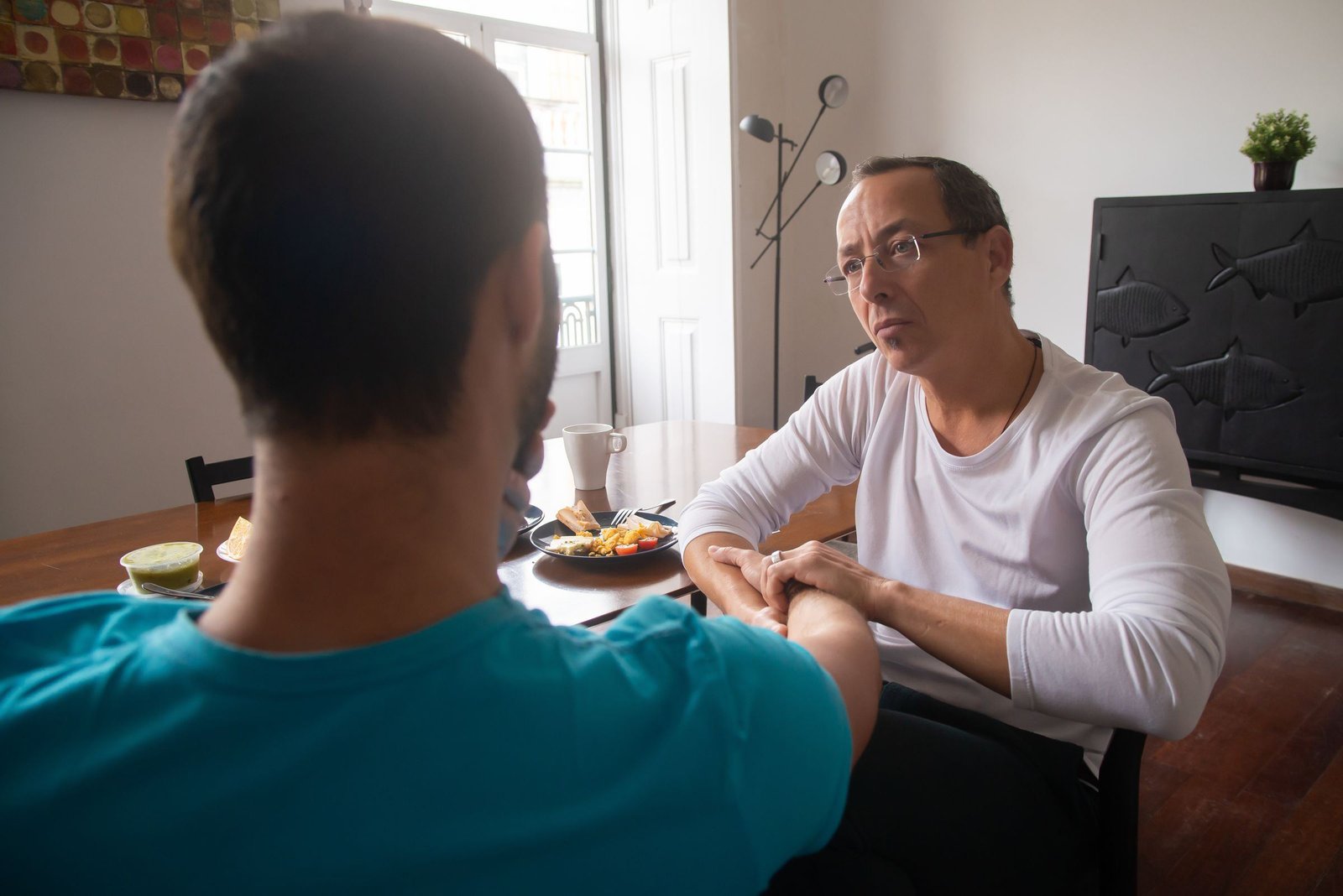
The first step in supporting your partner through sedative recovery is asking what they want. Offer specific help, with their permission. Take them to their appointments. Help them keep contact with their care team. Set practical boundaries together. Let their doctors make treatment decisions.
Do not try to handle sedative withdrawal at home. Never give or alter medicines, supplements, alcohol, or other substances. Call the person's clinician or treatment team instead.
If your partner has a seizure, severe confusion, or hallucinations during withdrawal, call 911 or go to the nearest emergency room now. If they have trouble breathing, extreme drowsiness, or cannot be woken, call 911 right away and stay with them. If they have thoughts of suicide or self-harm, call 911 or go to the nearest emergency room now. You can also call or text 988.
We publish a directory, not treatment services. This guide is for information, not medical advice. It covers sedatives, such as benzodiazepines. Read our guide on helping someone with sedative addiction for wider background.
Begin With Safety and Common Goals
Helping a partner recover from sedatives involves giving practical aid, listening without judging, and urging them to stay linked with their care team. This does not make you responsible for their recovery. While you cannot control their choices, you can build a stable environment that aids their health.
It helps to know the difference between physical dependence and addiction. Taking benzodiazepines steadily for several days to weeks can cause physical dependence, even if taken exactly as prescribed.[1] This is not misuse or addiction. Still, stopping suddenly can be unsafe. Clinicians can oversee withdrawal and support long-term recovery. No one can guarantee a specific outcome.
Finding the right help lowers stress for you both. Dependable resources are open around the clock for guidance or immediate support.
24/7/365
SAMHSA National Helpline availability for free, confidential treatment referrals[2]
24/7/365
988 Lifeline availability by call, text, and chat[3]
Managing Sedative Withdrawal at Home Is Unsafe
Stopping sedatives suddenly is dangerous if your partner uses them. Quitting benzodiazepines abruptly after regular use can cause severe or life-threatening withdrawal.[4]

Risk of withdrawal differs for each person. It depends on the medicine, dose, how long it was taken, and overall health.[1] A safe plan can only be created by a clinician.
Never give, change, stop, share, or swap medicines. This rule also applies to supplements, alcohol, and other substances. Do not handle symptoms at home. Ask the person’s prescriber or treatment team for guidance.
Steps to Take When Symptoms Show Up
Signs of withdrawal differ by person and drug. Severe symptoms can include seizures, confusion, or hallucinations.[1] Do not try to treat these at home.
- Notice concerning symptoms. Look for shifts in behavior, breathing, or alertness.
- Do not try to manage withdrawal at home. Avoid giving other substances to reduce symptoms.
- Contact the clinician for non-emergency concerns. Reach out to the prescriber or treatment team for mild but worrying symptoms.
- Call 911 or go to the nearest emergency room now if a seizure, severe confusion, or hallucinations occur during withdrawal. If the person has trouble breathing, extreme drowsiness, or cannot be woken up, call 911 right away and stay with them.[5]
Combining sedatives with alcohol or opioids raises the risk of deep sedation and breathing issues.[6] Using benzodiazepines with opioids can lead to extreme drowsiness, slow breathing, coma, or death.[5] See our guide on supporting a loved one through withdrawal for details on this critical stage.
Supporting Your Partner Through Sedative Recovery
To learn how to support a partner in recovery, ask them instead of guessing. Find out what kind of help they actually want. It may be drives to appointments, help with meals or chores, soft reminders, or just quiet moments together. Since needs vary, let your loved one guide the discussion.
When your partner is ready to leave treatment, talk with them and their care team together. Ask about follow-up visits, who to call with concerns, and splitting household duties. Withdrawal management alone does not treat an underlying substance use disorder, so ongoing care is essential.[7] ASAM guidance notes that while many taper sedatives as outpatients, inpatient or medically managed residential care may be needed if outpatient risks are too high.[8]
Before leaving treatment
Work with the care team on discharge plans. Verify follow-up visits and ask which warning signs to monitor.
First days home
Set clear boundaries and agree on practical help. Talk with your partner and their care team about safe medication storage, keeping prescribed doses available and taken exactly as directed. Never change, withhold, or give your partner's medication.
Ongoing follow-up
Stay in regular contact with the treatment team. Update routines as needs shift instead of sticking to a strict schedule.
Getting coverage sorted out can take some time. If your plan denies services or limits visits unfairly, know that the Mental Health Parity and Addiction Equity Act generally prevents insurers from placing stricter limits on mental health or substance use benefits than on medical ones.[9] You can verify insurance for sedative treatment before starting care to avoid surprises later.
Discussing Trust, Needs, and Stress
Sedative use often strains relationships. You may worry about trust being broken. Uneven housework can feel heavy. Losing friends hurts too. These feelings are common, yet each person's experience differs. Remember, you are not accountable for your partner's recovery. Offer support, but do not carry the burden of their decisions.

Involving family can make a difference. Helping loved ones learn about substance use disorders can help. With the patient's permission, including them in treatment planning also aids recovery.[10]
Pick a calm time to speak. Share what you notice and what you need. Skip labels and blame. Specific observations are easier to accept than broad accusations.
Good Things to Tell Someone in Recovery
When looking for positive things to say to someone in recovery, keep it simple and concrete. Acknowledge the effort they are making. Never promise that the path will be easy or certain. Let them guide the talk about their goals and choices by asking questions.
Here are some ways to frame difficult conversations:
| Instead of | Try saying |
|---|---|
| "You’re being selfish." | "I’ve noticed you seem tired lately. How are you feeling?" |
| "You need to fix this." | “What support would be helpful for you today?” |
| "If you come home, everything goes back to normal." | “I am happy you are home. Can we discuss what support means for us both?” |
| "I’m leaving if you don’t stop." | "I care about you, but I need us to agree on boundaries around medication use in the house." |
You show support without taking over by asking if they want company at an appointment. Building trust back slowly is helped by listening more than speaking.
Helping Your Partner Without Enabling
Recovery is your partner's responsibility, not yours. You can give steady, practical help without taking on the burden of their decisions. Community Reinforcement and Family Training (CRAFT) helps loved ones change how they react. This encourages treatment and improves your own well-being.[10] Focus on what you can control. Manage your actions, limits, and safety.
The Line Between Support and Enabling
Support looks like helping with agreed-upon tasks. For instance, you could drive to appointments or handle chores while your partner attends treatment. Enabling looks different. It means making excuses for missed work, covering up financial losses, or hiding substances to prevent conflict.
You are not responsible for stopping relapse. You do not have to accept unsafe behavior to show love. Setting boundaries while supporting recovery protects you both. It makes expectations clear and lowers resentment. If a boundary is crossed, calmly and consistently apply the consequence you stated.
Read our guide on setting boundaries with a partner for deeper advice on this balance. You can find more info about avoiding enabling behaviors as well.
Boundaries I Can Keep
Your ticks are saved on this device only.
What to Do If You Think They Used Again
Suspecting that your partner has returned to using sedatives is frightening. This does not mean recovery has failed. Focus on safety first, rather than assigning blame. When you are ready to explore next steps, our guide to partner relapse coping helps you decide what repair means for you.

- Check for immediate danger. Look for signs of overdose, such as shallow or slowed breathing and excessive sleepiness.[11]
- If you see these signs, call 911 right away and stay with your partner. Do not wait to see if they wake up on their own.
- Share what you saw without blaming them.If there is no emergency, talk calmly. See if they want to reach their clinician or treatment team today. Offer to help dial or locate the number.
- Keep your own boundaries. Do not hide safety risks or manage their meds without their consent. Take care of yourself by contacting a counselor or joining a support group.
If your partner relapses, knowing what to do helps you act clearly rather than out of fear. Read our guide on responding to a relapse for more detailed help with next steps.
Ending a Relationship Safely When a Partner Has Addiction
You do not have to stay to prove you are supportive, and you do not have to leave to prove you are strong. Put your safety first. Planning a safe separation from an abusive partner takes time, and you can start by talking with an advocate without deciding to leave yet.
If you are in immediate danger, call 911 or go to the nearest emergency room now.
Discreet Safety Plan
Your ticks are saved on this device only.
Get Support for You and Pick Your Next Move
Caring for yourself is a key part of supporting your partner. You can attend your own counseling or a peer group without managing their treatment. Look into resources for partners of people with addiction to help you create a support network.

Nar-Anon Family Groups is a fellowship for friends and relatives affected by another person's drug problem.[12] SMART Recovery for Family and Friends is a research-based program focused on skills to support recovery.[13] Call SAMHSA’s National Helpline at 1-800-662-4357 for treatment info and referrals. This free, confidential service is open 24/7.[14]
Partner Support Check-In
This self-check is for information only and isn't a diagnosis.
If your partner is ready to look into care, use our directory to find sedative treatment programs. Confirm services and coverage with the program directly before signing up.
Frequently Asked Questions
How do I deal with a partner going through sedative withdrawal?
Never manage withdrawal at home. Do not use other medicines to handle symptoms. Reach out to your partner's treatment team for guidance. Stopping sedatives abruptly can cause life-threatening seizures.[15] Withdrawal symptoms can also look like the original condition, so a professional check is important.[16] If your partner has a seizure, severe confusion or hallucinations, call 911 or go to the nearest emergency room now.
What should I give my partner during sedative withdrawal?
Never hand your partner medications, supplements, alcohol, or other substances. Do not adjust or stop their prescribed medication on your own. Contact the prescriber or treatment team to get instructions. If you notice trouble breathing, extreme drowsiness or an inability to wake them, call 911 right away and stay with them until help arrives.
How can I support my spouse after they return home from sedative treatment?
Find out what practical help they want. Decide on household duties together. If they invite you, help them follow up with the care team. Know that withdrawal management alone is not enough for long-term recovery.[7] Maintain clear personal boundaries. Do not make treatment decisions for them.
What should I do if I think my partner has relapsed?
Look for immediate danger first. If you see signs of overdose, such as trouble breathing or an inability to wake them, call 911 right away and stay with them. If no emergency exists, share what you saw without blaming. Encourage your partner to contact their clinician or treatment team today.
Can I talk to my partner's treatment team if they have not signed a release?
You may share observations or safety worries with the team whenever you wish. HIPAA allows providers to share info with family if the patient knows and does not object, so written consent is not required.[17] Yet, providers may limit disclosure without clear permission. Ask your partner if they want to allow sharing details with you.
How can I safely end a relationship with a partner with addiction?
You do not need to stay or leave to show support. If there is abuse, coercion, or financial dependence, plan your exit carefully. Consider working with a trusted person or a domestic-violence advocate who can help with safety planning.[18] If you are in immediate danger, call 911 or go to the nearest emergency room now.