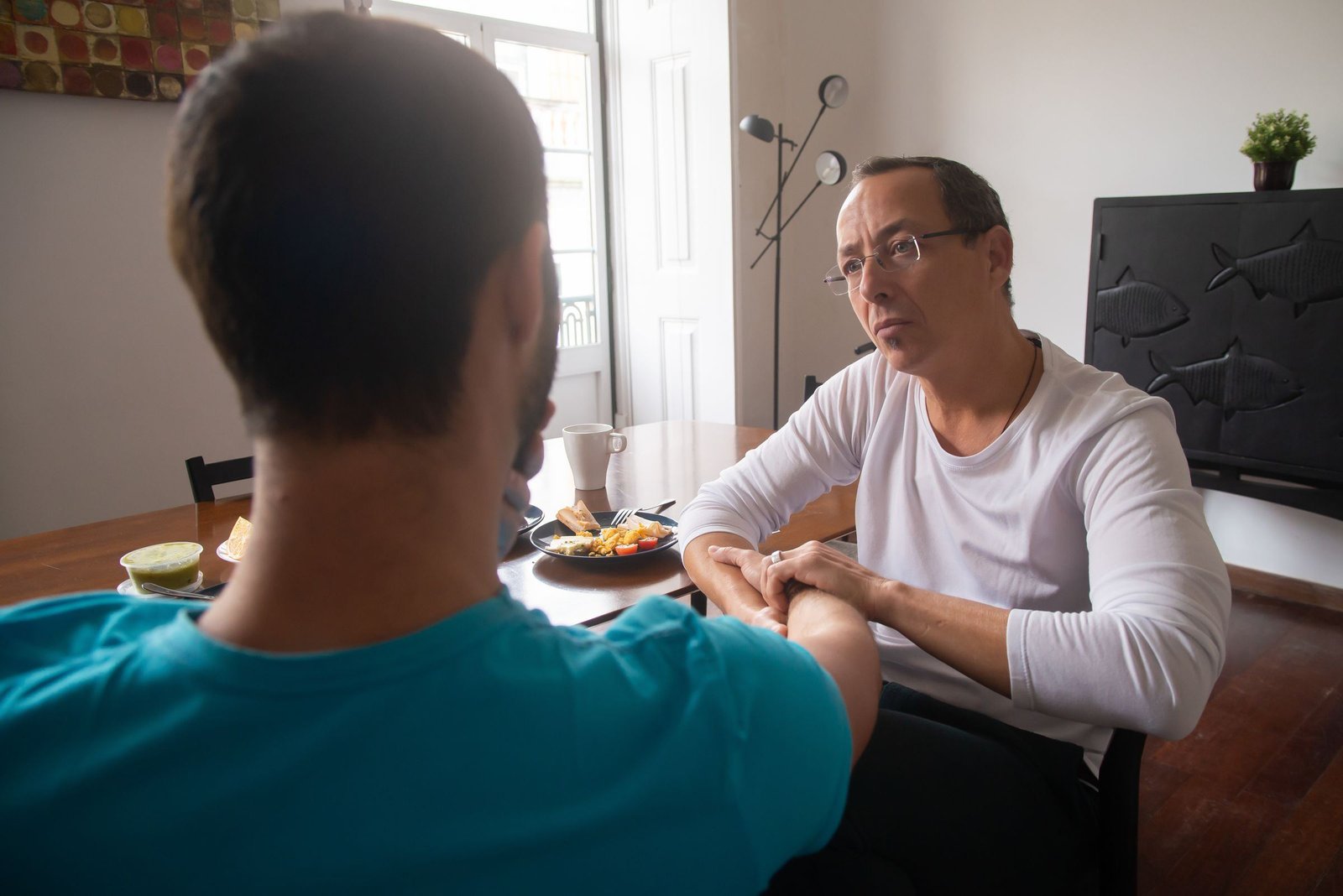
Staying calm is the first step in knowing how to help someone addicted to benzodiazepines. Present a clear path to care. Do not approach them with blame. Share specific observations you have noticed. Ask if they are willing to speak with a clinician.
Do not tell them to stop their medication abruptly. Also, avoid any taper that is not supervised. Withdrawal needs care directed by a clinician.
If you see signs of overdose or severe withdrawal, act immediately. Do not wait until they agree to treatment. If they are difficult to wake, have slow or stopped breathing, a seizure, severe confusion, hallucinations, a high fever or racing heart during withdrawal, or thoughts of suicide or self-harm, call 911 or go to the nearest emergency room now; for suicidal thoughts, also call or text 988.
We are a U.S. treatment directory, not a treatment provider. This guide is for information only. It helps you spot danger and discuss concerns. You can learn what to do if they refuse help and look into care options without diagnosing them. For questions about consent and privacy, our guide on legal rights helping addicted adult explains what families can do.
Identify Emergencies and Respond Immediately
Act immediately if you believe someone is overdosing. Get help without waiting for them to agree. Their safety is the most important thing.
Quitting benzodiazepines can also be dangerous. Certain withdrawal symptoms count as emergencies. Do not wait for a doctor's visit.
Call 911 or go to the nearest emergency room now if they have:
- Seizures
- Severe confusion or hallucinations
- High fever or rapid heartbeat during withdrawal
These signs require immediate hospital care. Do not try to manage them at home.
If they talk about suicide or self-harm, call 911 or go to the nearest emergency room now. You can also call or text 988 for support. Remain by their side until help arrives, provided it is safe to do so.
Risks of Combining Sedatives
Combining benzodiazepines with other substances creates a major safety risk. Alcohol and other central nervous system depressants can add to the sedative effects of benzodiazepines.[4] This mix can cause severe drowsiness, slowed or stopped breathing, coma, and death.[4]
The FDA required a class-wide boxed warning for all benzodiazepine medicines in 2020.[5] This update covers serious risks like abuse, misuse, addiction, physical dependence, and withdrawal reactions.[5] These drugs pose significant risks, even when you take them as prescribed.
Do not wait to collect more details before making this call.If you suspect an overdose or any emergency, call 911 or go to the nearest emergency room now. When help arrives, tell responders and clinicians about any alcohol, opioids, or other sedatives the person may have taken.
Spot Signs Without Making a Diagnosis
It is tough to distinguish between the drug helping, tolerance building up, and addiction. You may spot shifts in behavior or physical skills. Yet these clues alone do not prove addiction. A clinician reviews the entire picture. This covers how the person manages daily life.
Below is a look at what each term means. It also lists signs you might observe.
| Term | What it means | What you might observe | What this does not prove |
|---|---|---|---|
| Prescribed use | Taking a drug exactly as prescribed for a health issue. | They swallow pills on schedule and say their anxiety or sleep issues feel better. | They are starting a problem or taking more than planned. |
| Tolerance | The body gets used to the drug, making the starting dose less effective. | They claim their normal dose “isn't working” or look anxious even after taking it. | That they are addicted or seeking drugs for recreational purposes. |
| Physical dependence | Repeated use makes the body rely on it, causing withdrawal if stopped suddenly.[6] | They feel unwell, tremble, or panic if they skip a dose or stop abruptly.[6] | That they have an addiction; dependence can happen with proper prescribed use.[6] |
| Substance use disorder | A medical diagnosis marked by cravings, using despite harm, and loss of control. | Taking extra doses, hiding pills, combining with alcohol, or ignoring jobs and relationships. | Nothing alone proves it; only a qualified expert can make this diagnosis. |
Effects and Changes You May Observe
Body functions can slow down because benzodiazepines impact the central nervous system. There is a risk for abuse, misuse, and addiction with benzodiazepines, which can lead to overdose and serious side effects including coma and death.[7] You might notice your loved one stumbling, slurring their speech slightly, or forgetting conversations that just happened.
But these changes do not prove addiction. Health issues, stress, or mixing substances can cause similar signs. Do not accuse them of being “high” or “addicted.” Instead, note specific details for a doctor. For instance, say they looked unsteady after dinner Tuesday or missed two appointments this week. This clear info helps a clinician see if the meds need changing or if something else is wrong.
Tolerance, Dependence, and Addiction Defined
People often mix up these three terms, but they mean different things in medicine. Knowing the difference can reduce fear and help you talk with healthcare providers.
- Tolerance happens when the brain gets used to the drug over time. The same dose then has less effect than it did before. This is a biological adaptation.
- Physical dependence means the body adjusts to taking a drug often.[6] You get withdrawal reactions if you stop suddenly or cut the dose too fast.[6] This can happen even if you take the medicine exactly as prescribed.[6]
- Addiction (clinically known as substance use disorder) means using compulsively despite bad results. It changes behavior and choices, not just physical reliance.
Because these concepts are complex and often misunderstood, reading more about them can clarify what you are seeing in your loved one’s behavior. Our guide explains the difference between tolerance and addiction in greater detail to help you understand what is happening physically versus psychologically.
Defining the Phrase “Benzo Belly”
You might see “benzo belly” online. Some people use this slang for stomach pain, bloating, or digestion trouble linked to benzodiazepine use or withdrawal. Doctors do not recognize it as a medical diagnosis.
Stomach issues are hard, but blaming benzodiazepines without a check is risky. Belly pain can mean other conditions needing care. Do not use forums to diagnose your loved one or suggest supplements that could clash with their meds. If stomach pain or digestion problems last, urge them to see their primary care provider for a true check and safe care.
How to Help Someone Addicted to Benzodiazepines: Talking With Respect
Talking to someone about their benzodiazepine use can feel risky. You might worry about making things worse or being shut down. The goal isn't to win an argument or force a diagnosis. It is to show you care and offer a path forward that respects their choices. Using neutral, person-first language helps keep the door open.[8] Our guide on how to talk to someone about benzo use offers a calm approach to keep the conversation open. If a direct talk feels too risky, our guide on how to plan an intervention outlines safety steps and scripts.
Here is a simple way to structure the talk.
- Choose a calm, private time. Hold off until the person has rested and is sober. Avoid times when they are stressed, tired, or just took their medication. Often, a quiet walk or sitting at home works better than a formal “intervention” setup.
- Focus on specific actions you saw, such as stumbling or missed appointments.Describe what you see, not who they are. Avoid labels like "addict" or "abuser," which can trigger shame and defensiveness. Instead of saying "You’re acting weird," try: "I’ve noticed you seem unsteady after taking your medication."
- Ask an open question and listen. Invite them to share their side without interrupting. You might say: "Would you be open to talking with your prescriber together?" Then pause. Allow their reply, even if it differs from what you hoped. Trust grows more from listening than from trying to persuade.
- Offer one practical next step. Ask what kind of help they would actually accept right now. Maybe they’ll let you find a clinician, drive them to an appointment, or sit with them while they make a call. Propose that single step, and honor their decision if they decline today.
People often avoid getting help because of shame. Your loved one might hide their use more if they feel judged. Learning about overcoming shame around benzo use can help you both handle this with more support and less blame. Keep in mind that while you cannot control their choices, you can control how clear and supportive your offer of help is.
Involve a Clinician if They Want to Stop
You likely want your loved one to quit benzodiazepines at once. But do not push them to stop suddenly or use a taper plan from the internet. Stopping these drugs abruptly after regular use can lead to serious withdrawal reactions. These include potentially life-threatening complications.[9]

Stopping these medications can be medically dangerous, not just uncomfortable. Seizures or delirium may happen during severe withdrawal.[6] Always let a prescriber or qualified clinician guide choices about lowering or stopping the dose. They know the person’s medical history and current dosage, which helps keep them safe.
There is no universal way to stop these drugs. Safety needs a plan tailored to that person.[6] A clinician creates a patient-specific plan to lower the dose slowly. They also offer ongoing monitoring and support.[6] This careful pace helps prevent serious withdrawal or a worsening of their underlying condition. Do not try to manage this alone at home.
If you are concerned about their dose, encourage them to call their doctor before changing anything. You can offer to stay with them during the call or help write down questions. Their doctor can explain what may happen if they lower their dose. They can also describe signs to watch for. For broader guidance on supporting your loved one through this process, read our overview of helping loved one stop benzos safely. For practical steps on managing symptoms and safety, see our guide to supporting loved one during benzo withdrawal.
Everyone involved should understand the specific dangers of stopping. Read our guide on benzodiazepine withdrawal risks for more on symptoms and safety concerns. Knowing what to expect helps you support them without panic if they feel unwell during the process.
Getting through withdrawal safely sometimes takes more than a doctor’s visit. Clinicians follow guidelines like the ASAM Criteria to pick the right level of care.[10] These rules help make sure the person gets the least intensive treatment that is still safe and effective.[10] Some might need outpatient care with frequent check-ins. Others may need to stay in a facility for close nurse monitoring. Trusting this assessment helps match the person with the care they actually need.
Assist Them in Getting Assessed and Treated
Speaking with a healthcare professional is often the safest way to begin. If they use benzodiazepines or other sedatives, encourage them to be open with their prescriber or primary care clinician. They should report their usage amounts, side effects, and withdrawal symptoms.
You can help them collect details ahead of time if they are willing. You might list medication names, approximate use patterns, other substances, and relevant health history.
If you are unsure where to begin, our guide covers signs that professional help is needed.
Picking a Starting Point
Various first steps may suit different needs. Here is a comparison of common routes and what you might ask.
| Route | When it may help | What the supporter can ask |
|---|---|---|
| Current prescriber or primary care clinician | They have a current prescription or a regular doctor familiar with their history. | “Can we check current doses and risks?” “Are there safer choices?” “Do you suggest a specialist?” |
| Addiction or mental health assessment | They need a wider look at substance use or co-occurring mental health conditions. | “What does this check include?” “Will it result in a treatment plan?” “How fast can we book it?” |
| Treatment program | They are ready to explore structured support for stopping or lowering use. | “Do you treat benzodiazepine dependence?” “How does your intake process work?” “What services do you provide?” |
Common Steps Taken
The sequence and pace of these steps vary greatly. It relies on the person’s readiness and health status. No single timeline is correct.
Prepare information
If the person consents to sharing with a clinician, gather medication bottles, notes on usage, and any questions or concerns.
Locating Support
You can call the SAMHSA National Helpline at 1-800-662-4357 for help with options before you make an appointment.[11] This service is confidential, free, and open 24 hours a day, seven days a week.[11] It gives information and treatment referrals for substance use concerns.[12]
Offer Support Without Controlling If They Refuse
Seeing a loved one unready to change is difficult. You can maintain connection without pushing the matter. Leave the door open for later conversations. Avoid repeating arguments or making threats. Offer just one clear next step instead. This might be a doctor's visit or a phone call. You can find available treatment options to discuss with them. For more on helping a loved one who refuses treatment, our guide covers setting boundaries and keeping communication open.

Set clear limits to protect both of you. These boundaries aren't punishments. They keep you safe. Here are some practical examples: For more on money issues, read our guide to financial boundaries with a loved one to learn how to protect yourself. For specific advice on boundaries with partner in recovery, see our guide to keeping both of you safe during this process.
- Don't hand over cash that might buy drugs or meds.
- Avoid riding with anyone who appears confused or impaired.
- Leave any situation that feels unsafe for you.
Take care of your own well-being, too. Discuss this stress with a counselor, partner, or trusted friend. Learning more can also be helpful. NAMI offers Family-to-Family, a free educational program for family, significant others, and friends of people with mental health conditions.[13] Peer support groups share lived experience. But they do not replace medical care or emergency services. Terms like 'benzo buddies' appear in some online groups. These communities lack clinical supervision.
If you need guidance, SAMHSA's National Helpline provides 24-hour free and confidential treatment referral and information about mental and/or substance use disorders.[12] You can also search for sedative treatment programs in your area. Stopping benzodiazepines suddenly without medical oversight can make withdrawal dangerous. Do not urge anyone to quit their medication abruptly by themselves. Our guide on how to find benzo detox for loved one explains steps to choose a safe, supervised center.
What Is a Helpful Next Step?
This self-check is for information only and isn't a diagnosis.
A Supporter’s Plan
Important: If they are difficult to wake, have slow or stopped breathing, have a seizure, severe confusion, hallucinations, a high fever or racing heart during withdrawal, or thoughts of suicide or self-harm, call 911 or go to the nearest emergency room now; for suicidal thoughts, also call or text 988.
Your ticks are saved on this device only.
Frequently Asked Questions
What are common side effects of benzodiazepines?
Common side effects include dizziness, drowsiness, and walking issues. Coordination and memory problems are also frequent. Older adults face higher fall and car crash risks with long-term use.[14] If you spot new or worrying signs, urge them to see their doctor.
What medication is used to treat benzodiazepine withdrawal?
No single pill works for everyone. Doctors make a personalized tapering plan.[15] They adjust it based on your response. Do not try this alone. Encourage them to get a safe plan from a qualified clinician.
What should I do if they refuse help?
Leave the door open. Suggest one small step, like checking a program together. Call SAMHSA’s National Helpline yourself for free advice and referrals.[11] They are available 24/7. If they are hard to wake, breathe slowly, or have a seizure, call 911 or go to the nearest emergency room now. If they have thoughts of suicide, call 911 or go to the nearest emergency room now, or call or text 988.
What are “benzo buddies”?
This informal term describes peers sharing benzodiazepine stories. Hearing these can help some feel less alone. But peer groups are not medical care. They do not replace a doctor’s checkup or a clinician-led withdrawal plan. Rely on medical pros for treatment decisions.
What is “benzo belly”?
“Benzo belly” is slang for stomach issues during withdrawal. This is not an actual medical diagnosis. It does not show that benzos caused the pain. Since stomach problems have many causes, see a doctor if symptoms persist or worry you. Online advice is not enough here.
Which benzodiazepine is most commonly abused?
No single ranking applies to every place and time. How researchers define misuse and who they study affects the data. Do not use general lists to judge a specific situation. Instead, focus on getting professional help for what you see now. Avoid guessing about pills.