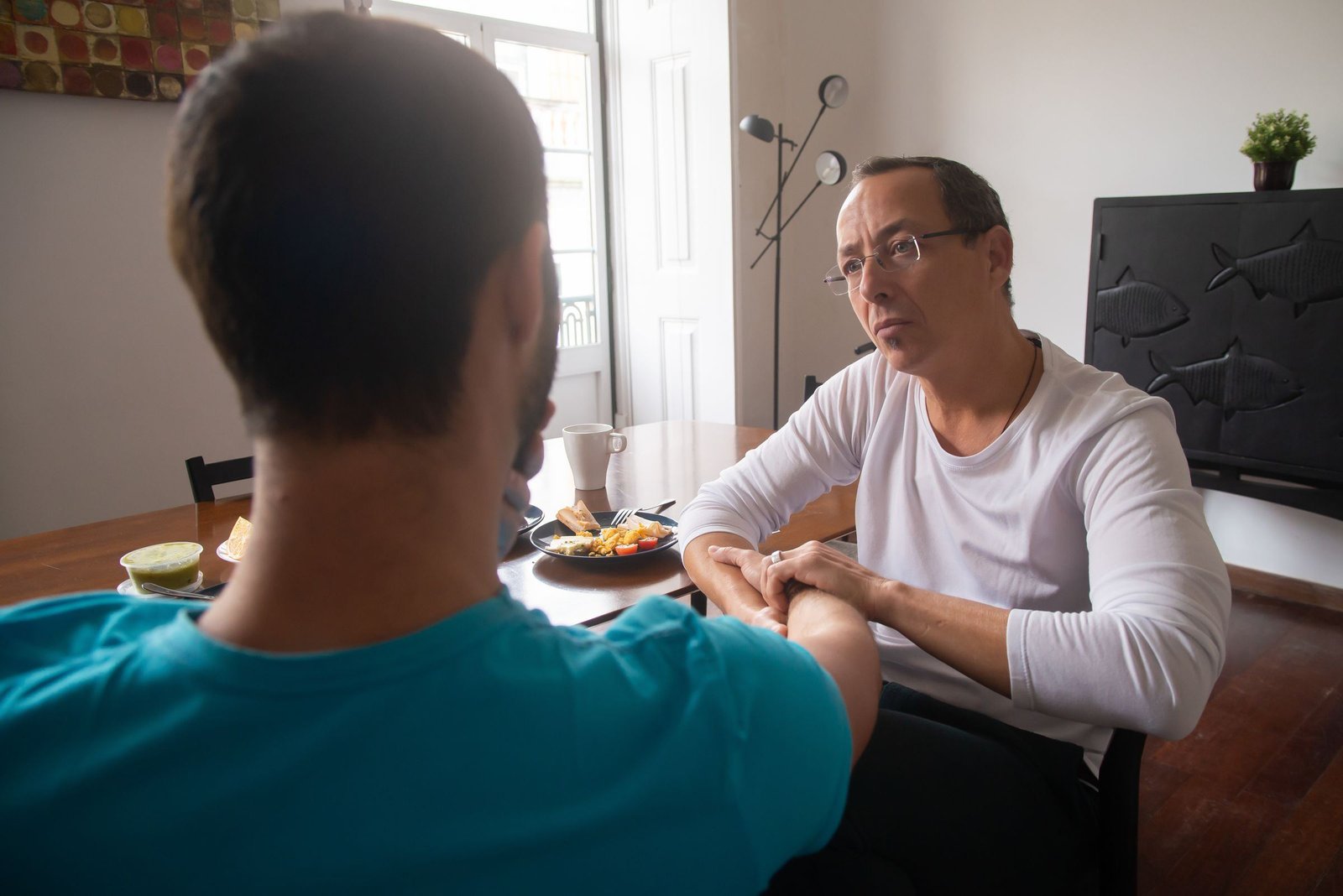
Knowing how to talk to someone about benzo use starts with timing and tone. Choose a calm moment when they are not impaired. Describe specific things you have noticed, like missed plans or changes in sleep. Avoid using labels like "addict." Listen to their side without interrupting. Then offer one clear next step, such as asking them to see their doctor. You cannot guarantee the conversation will go smoothly. But you can keep it respectful and focused on your concern.
We are a U.S. treatment directory publisher, not a treatment provider. We do not provide medical advice or claim clinical review. This guide complements our broader resource on supporting someone with benzo use.
Benzodiazepine Use Can Be Hard to Recognize
You might notice changes in someone you care about. These signs are worth discussing. But they do not prove misuse or addiction.
Common effects of benzodiazepines include drowsiness, dizziness, and trouble with walking and coordination.[1] You might also see slowed responses or unusual sleepiness.
Remember that these behaviors have many causes. Stress, lack of sleep, other meds, or health issues can look similar. The person may also be taking a medication exactly as their doctor prescribed.
Benzodiazepines carry real risks. The FDA requires warnings on all benzodiazepine medicines about abuse, misuse, addiction, physical dependence, and withdrawal.[2] However, risk does not equal reality for any one person.
Population data helps frame the topic. It cannot identify an individual's situation. The numbers below reflect national trends. They are not about your loved one's specific story.
Plan a Calm, Specific Conversation
Talking about benzodiazepine use can feel risky. You might worry about making things worse. The goal isn't to force a diagnosis or win an argument. It is to share what you see and open a door.

Here is a simple way to structure the talk.
- Pick a calm, private time. Choose a moment when neither of you is rushing or stressed. Make sure the person is not currently under the influence of alcohol or medication. This helps both of you stay clear-headed and respectful.
- Describe what you see. Stick to specific behaviors rather than labels like "addict" or "abuser." For example, mention missed appointments or noticeable drowsiness. Avoid accusations, which often lead to defensiveness.
- Ask an open question. Invite them to share their side without judgment. Listen fully without interrupting or correcting their story. You don't need to agree with their explanation, but showing you hear them builds trust.
- Offer one practical next step. Suggest something small and manageable, like helping them find their prescriber's phone number or scheduling a doctor's visit. Don't demand they quit immediately or accept a specific treatment plan today.
You cannot control how they react. They might get angry, sad, or dismissive. That doesn't mean you failed. It means they need time to process what you said.
Try starting with something like this: "I care about you. I’ve noticed you seem very sleepy after taking your medication, and I’m worried. How are you feeling about it?"
This approach focuses on your concern for their well-being, not on controlling their behavior. It leaves room for them to speak honestly about why they are using the medication the way they are. If they shut down, pause the conversation and try again another day.
If They Deny It or Get Defensive
It is common for people to push back when you bring up their benzodiazepine use. If voices rise or either of you feels unsafe, pause the conversation. You can say, "We don't have to agree right now. I'm here if you want to talk or look at options." This keeps the door open without forcing a resolution today.
Boundaries are not threats. They describe what you will do to protect your own safety and wellbeing. For example, you might say, "I won't stay in a room if you are driving after taking pills," rather than issuing an ultimatum. If you need more guidance on navigating resistance, read our guide on if they refuse treatment. When conversations stall, our guide on how to plan an intervention outlines safety steps and scripts for getting help. If legal questions arise, our guide on legal rights helping addicted adult explains what families can do within the law.
Responding to Defensiveness
Your ticks are saved on this device only.
Is This a Good Time to Talk?
This self-check is for information only and isn't a diagnosis.
Taking care of yourself matters too. You can join the NAMI Family Support Group, which is a peer-led support group for adults with a loved one who has experienced symptoms of a mental health condition.[3] SMART Recovery Family & Friends also offers support for people affected by someone else's addictive behavior.[4]
Online Labels and Rules Are Not a Diagnosis
You may find online posts, memes or videos that seem to offer quick answers about benzodiazepine use. These can be confusing. Slang terms, simple rules and popularity rankings are not medical tools. They cannot tell you if someone has a substance use disorder or needs treatment.

Here is how to think about three common examples you might encounter.
| What you may see | What it can mean | What it cannot tell you |
|---|---|---|
| "Benzo buddies" or similar slang | Informal, changing language used in specific online groups or communities. Context matters. | Whether the person using the term has a problem, or what they mean by it in your specific situation. |
| The "3-3-3 rule" (or similar quick tests) | A mnemonic or social media trend that tries to simplify complex behaviors into easy-to-remember numbers. | A diagnosis of addiction, dependence or misuse. It is not a validated clinical tool. |
| "Most abused benzo" lists | Data from specific surveys, time periods or regions showing which medications appear most often in certain reports. | Which medication is most likely to cause harm for your loved one, or how risk compares across all groups and times. |
Why does this matter? Because relying on these shortcuts can lead you down the wrong path. You might worry too much about the wrong thing, or miss important signs because they didn’t fit a viral rule.
Instead of searching for a label, focus on what you see and hear in real life. Does your loved one seem unable to stop taking the medication as prescribed? Do they experience withdrawal symptoms when they try to stop? Are they hiding pills or lying about how much they take? These specific observations are more useful than any internet ranking.
Only a qualified health professional can assess whether someone has a substance use disorder or physical dependence. They look at the whole picture: medical history, behavior patterns and physical health. If you are worried, bring your observations to a doctor or an addiction specialist rather than trying to diagnose the issue yourself using online content.
Dependence and Withdrawal Need Medical Guidance
It helps to know the difference between physical dependence and addiction. Physical dependence means the body has adapted to the medication, which can happen even when someone takes benzodiazepines exactly as prescribed.[5] Addiction is a complex condition involving compulsive use despite harm. A person can be physically dependent without being addicted, but both require careful medical attention.
Risk factors vary widely. The chance of developing physical dependence and experiencing withdrawal increases with longer treatment duration and higher daily doses.[6] Because everyone metabolizes medication differently, there is no single timeline that applies to every person. No standard tapering schedule works for everyone, so doctors must create a patient-specific plan to gradually reduce dosage while monitoring for safety.[7]
Important: Never tell someone to stop taking benzodiazepines or change their dose on their own. Abruptly stopping or reducing the dose too quickly can cause serious withdrawal reactions, including seizures, which can be life-threatening.[5]
Regular use
Taking benzodiazepines steadily for several days to weeks can lead to physical dependence, even at prescribed doses.[5]
Reducing or stopping
Lowering the dose or stopping suddenly carries risks of withdrawal symptoms that vary by person and medication history.[6]
Medical assessment
A qualified clinician reviews the situation to determine if a gradual, supervised reduction is needed to manage withdrawal safely.[7]
Your role in this conversation is to encourage professional guidance, not to manage the medication. Suggest that your loved one speak with their prescriber about any concerns. If you want to understand what might happen during a medically supervised reduction, you can read more about benzodiazepine withdrawal symptoms. Keep the focus on connecting them with a doctor who can handle the medical side safely. For guidance on how to help through this process, see our guide on supporting loved one during benzo withdrawal.
When It May Be an Overdose, Act First
Check for emergency signs before you talk. If someone can’t stay awake or breathe, act fast. Don’t try to have a conversation right now.
Benzodiazepine overdose can cause deep sleep, slow breathing, and no response.[8] Mixing these meds with opioids, alcohol, or other downers raises the risk of breathing failure and death.[9]
If you think there was a poisoning, but no immediate danger, call Poison Help at 1-800-222-1222.[10] This hotline helps with exposure questions from anywhere in the U.S.[10] For more details on what to look for, read our guide on signs of a drug overdose.
Offer Support, Treatment Options, and Help for Yourself
If the person is open to help, offer to assist them in contacting their prescriber. You can also look into benzodiazepine treatment options together. Effective treatments are often tailored to the individual’s needs. They usually include behavioral therapy.[11] When safety is a concern, our guide on how to find benzo detox for loved one outlines steps to choose a center.

Avoid promising a specific outcome. Do not push a particular program. Instead, focus on connecting them with qualified professionals. These experts can check their situation safely.
If they are not ready for treatment yet, respect their pace. Leave the door open for later. You might say, "I’m here whenever you want to talk." Try not to insist on immediate action.
It is also important to seek support for yourself. Caring for someone with a substance use disorder can be stressful. You deserve care too. Consider joining a support group for family members. Speaking with a therapist about your own feelings can help as well.
For general guidance on finding services, you can call the SAMHSA National Helpline at 1-800-662-4357. This service is free and confidential. It is available 24 hours a day to provide treatment referrals and information.[12]
If you or someone else has thoughts of suicide or self-harm, call 911 or go to the nearest emergency room now, or call or text 988. For any immediate medical emergency, such as an overdose or severe withdrawal symptoms, call 911 or go to the nearest emergency room now.
Next Steps for You and Them
Your ticks are saved on this device only.
Frequently Asked Questions
What should I say if they deny there is a problem or get defensive?
Stay calm and avoid arguing over labels. If the conversation escalates, pause and try again later. You can say that you care, describe your specific concern once, and offer to help with one next step.
Can prescribed benzodiazepine use still lead to physical dependence?
Yes. Physical dependence can develop after steady use for several days to weeks, even when taken as prescribed.[7] This is different from addiction. Raise your concerns with the prescriber rather than assuming misuse.
Should I tell them to stop or change their benzodiazepine?
No. Do not give medication instructions or try to manage a taper yourself. Encourage them to talk with their prescriber about any changes. Clinicians should create individualized tapering plans through shared decision-making.[13]
What if they are not ready to get help?
Keep your offer of support open without forcing a decision. Consider getting support for yourself, too. Programs like SMART Recovery for Family and Friends build skills for supporting recovery, even if the person using benzodiazepines does not participate.[14]
Can I contact their prescriber if they will not discuss the medication?
You can share relevant observations with a health professional. HIPAA allows providers to accept information from family members, even if they cannot share details back.[15] If possible, tell the person you are considering this step and explain why.